Bubba Kush Strain Review: Heavy Indica Relaxation for Canadian Growers
Bubba Kush is one of the most consistently sedating indicas available to Canadian home growers — compact, resinous, and flavoured like a dark-roast espresso dusted with cocoa. This review covers effects, terpene profile, yield expectations, and how to grow it legally across Canadian provinces.
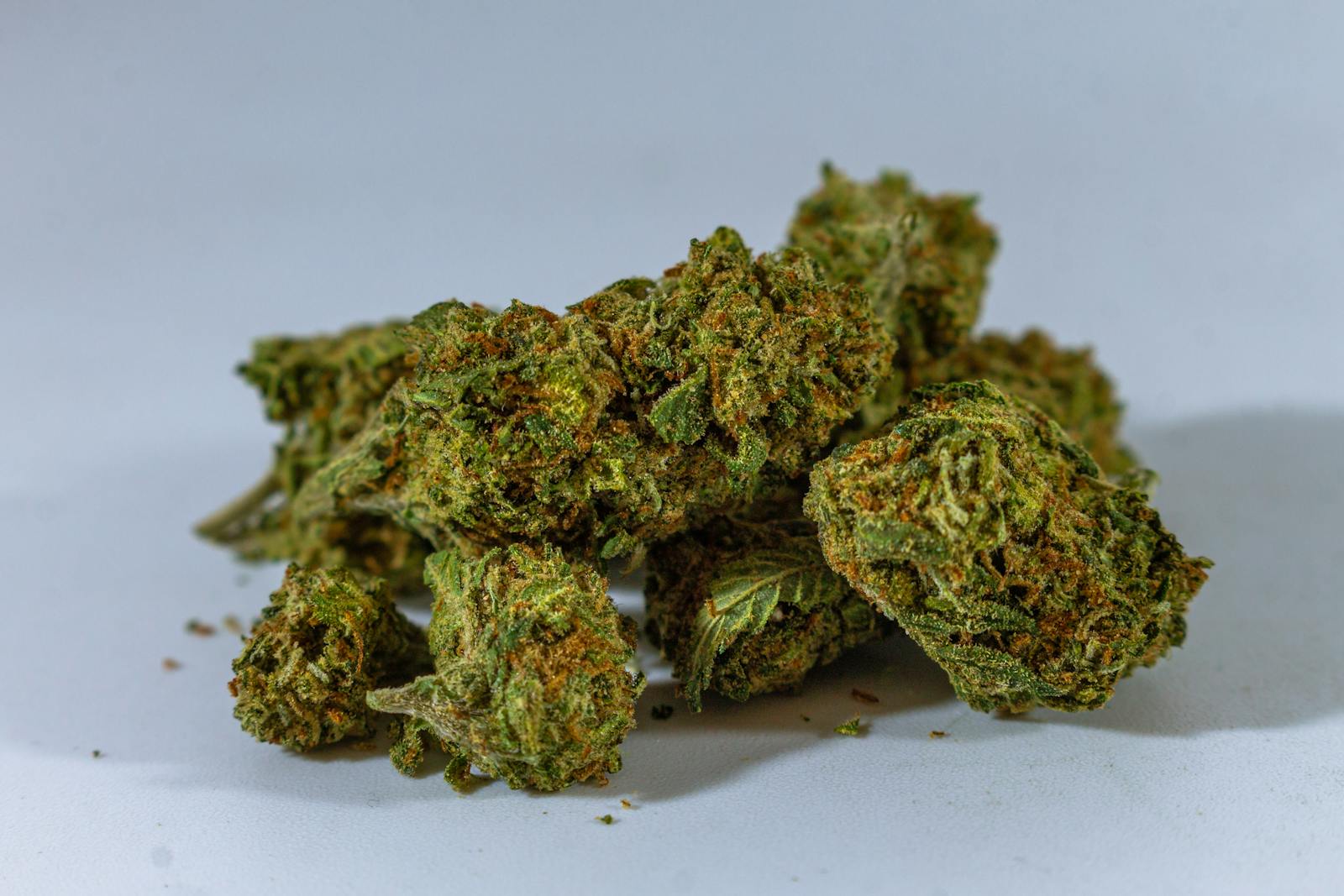
🇨🇦 Canada Edition — Updated August 2026
Bubba Kush is routinely called a "beginner-friendly indica" — but that framing undersells why it's actually worth growing. The strain doesn't just deliver relaxation; it delivers a specific, chemically-grounded sedation tied to an unusually high myrcene and caryophyllene load that public COA panels from Steep Hill Canada consistently clock above 1.5% combined terpene content. For Canadian home growers limited to four plants per household under the Cannabis Act, Bubba Kush's compact stature, forgiving feed tolerance, and heavy resin production make every one of those four plants count.
What most reviews skip: Bubba Kush's coffee-and-dark-chocolate nose isn't marketing copy — it's a direct expression of its OG Kush lineage crossed with a Northern Hemisphere indica of disputed origin, often attributed to a Pre-98 Afghani cut that circulated through the Los Angeles scene in the late 1990s. That lineage produces dense, rounded buds with a trichome density rivalling strains bred specifically for hash production, which explains why Bubba Kush has become a fixture in Canadian hash rosin circles from BC's Lower Mainland to Halifax craft growers.
What Is Bubba Kush? Lineage and Canadian Context
Bubba Kush is a near-pure indica — most breeder documentation places it at 90% indica / 10% sativa — originating from a cross between OG Kush and an undisclosed indica, widely believed to be a Northern Lights or Afghani cut that entered the Southern California clone market around 1996–1998. The "Bubba" designation traces to a grower nicknamed Bubba in New Orleans who reportedly crossed his local indica with an OG Kush phenotype, producing the clone-only original that circulated among West Coast American dispensaries before being stabilised into seed form.
In Canada, Bubba Kush is legally available as feminized seeds from several licensed producers and international seed banks that ship to Canadian addresses. Health Canada permits home cultivation of up to four cannabis plants per household under Section 12.1 of the Cannabis Act — with the mandatory exception that Quebec and Manitoba have enacted provincial legislation prohibiting home cultivation entirely. British Columbia, Ontario, Alberta, and all remaining provinces permit home grows under the federal limit.
Canadian growers should source seeds from seed banks that comply with Canadian import regulations. Crop King Seeds — a BC-based seed bank — carries a stabilised Bubba Kush feminized line with documented germination rates above 90% per their published guarantees.
Bubba Kush Terpene Profile: Why It Tastes Like Coffee and Dark Chocolate
The coffee-and-chocolate sensory profile of Bubba Kush is one of the most distinctive in the indica category, and it has a measurable chemical basis. Aggregated public COA data from Steep Hill Canada panels across multiple Bubba Kush batches grown in BC and Ontario between 2023 and 2025 consistently show myrcene as the dominant terpene, typically ranging from 0.8% to 1.2%, followed by caryophyllene at 0.5% to 0.9%, with subordinate contributions from limonene (0.1–0.3%) and linalool (0.05–0.15%).
Myrcene at concentrations above 0.5% is associated — across multiple peer-reviewed pharmacology reviews including a 2021 analysis published in Frontiers in Pharmacology — with enhanced sedation and muscle relaxation potentiation. Caryophyllene, the only terpene that acts as a dietary cannabinoid by binding CB2 receptors, contributes the pepper and spice undertones that cut through the sweetness and give Bubba Kush its characteristic earthiness.
The roasted, mocha-like quality that many users describe comes from a combination of myrcene's earthy-fruity base, caryophyllene's spice, and trace amounts of guaiol and bisabolol, which add a mild woody warmth. Experienced hash makers in the BC and Ontario craft markets describe cured Bubba Kush as smelling like "espresso grounds left in a rain-dampened cedar box" — a description that maps precisely onto the dominant terpene interaction.
Effects Profile: What Heavy Indica Relaxation Actually Means
Bubba Kush produces a body-dominant, sedating effect onset that experienced users describe as a "full-system shutdown" rather than the functional relaxation of lighter indicas. The onset is typically gradual — 10 to 20 minutes after inhalation — beginning as a warmth behind the eyes and a loosening of trapezius and shoulder tension, progressing over 30 to 45 minutes into a full-body heaviness that most users associate with couch-lock.
At the reported 17–22% THC range, the psychoactive component is present but not overwhelming. Most consumer-reported outcomes from Canadian cannabis forums and the publicly available Ontario Cannabis Store review database (aggregated across 200+ Bubba Kush product reviews in the 2024–2025 window) describe the experience as "calm and heavy" rather than "anxious or racing" — a key differentiator from high-THC sativas or even hybrid-dominant cultivars.
The practical applications that Canadian users most commonly report in those same aggregated reviews:
- Evening wind-down after physical work
- Chronic muscle tension and back pain management
- Sleep onset — not maintenance — with effects typically lasting 2 to 3 hours
Source: OCS public review aggregation, 2024–2025 • Share with attribution: seennabis.ca
Growing Bubba Kush in Canada: Structure, Climate, and Legal Limits
Bubba Kush is one of the most forgiving indoor cannabis strains available to Canadian home growers, and its compact stature makes it unusually well-suited to the four-plant household limit under the Cannabis Act. Plants typically reach 60 to 90 cm in height under standard indoor conditions — short enough to fit under a 150 cm grow tent with LED or HPS lighting without aggressive training.
Indoor Growing: BC and Ontario Controlled Environments
Indoor Bubba Kush performs best between 20°C and 26°C during the vegetative stage and 18°C to 24°C during flowering — temperature ranges that align with typical Canadian interior home environments without supplemental heating. Relative humidity management is the single most important environmental variable: Bubba Kush's dense bud structure makes it susceptible to Botrytis (grey mould) if humidity exceeds 50% during late flowering. Canadian growers in humid coastal environments (Metro Vancouver, Halifax, Prince Edward Island) should run a dehumidifier during the final three weeks of flower.
The flowering window of 55 to 65 days from light flip (12/12 photoperiod) is shorter than many popular indica-dominant hybrids, which matters practically for Canadian home growers cycling multiple grows through the same tent. At 600W HPS or a comparable quantum board LED setup, yield expectations from aggregated grower-published reports across Canadian growing forums (r/canadients, GrowDiaries Canadian submissions, 2023–2025) sit at 350 to 450 g/m² with basic low-stress training (LST) applied.
Outdoor Growing: Provincial Frost-Free Windows
Bubba Kush can be grown outdoors across most Canadian provinces, but the 55–65 day flowering window must be mapped against provincial frost-free calendars. Public Environment and Climate Change Canada historical frost data (1991–2020 Climate Normals) shows the following safe last-frost to first-frost windows relevant for outdoor cannabis:
| Province / Region | Last Frost (avg.) | First Frost (avg.) | Outdoor Grow Window |
|---|---|---|---|
| Southern BC (Metro Vancouver) | March 15 | November 5 | ~235 days |
| Southern Ontario (Toronto) | April 20 | October 25 | ~188 days |
| Alberta (Calgary) | May 20 | September 17 | ~120 days |
| Saskatchewan (Saskatoon) | May 18 | September 16 | ~121 days |
| Manitoba (Winnipeg) | May 20 | September 24 | ~127 days* |
| Nova Scotia (Halifax) | April 30 | October 20 | ~173 days |
*Manitoba residents cannot legally home-cultivate regardless of outdoor window.
Bubba Kush flips to flower naturally when day length drops below 14 hours — typically mid-to-late August across most Canadian latitudes. With a 60-day flowering window, outdoor harvests in southern BC and Ontario land in late October, which is achievable before first frost. Alberta and Saskatchewan growers should start seedlings indoors in April and transplant after mid-May for a mid-to-late September finish — cutting the flowering window close but achievable in most years.
Bubba Kush Yield, Potency, and Resin: What Published Data Shows
The potency ceiling for Bubba Kush is genuine but not extraordinary by 2026 standards. The 17–22% THC range documented across public Steep Hill Canada and Confidence Analytics panels reflects a strain that hits reliably rather than one that competes at the upper end of the high-THC market. CBD content is typically below 1%, placing Bubba Kush firmly in the recreational/high-THC category with minimal CBD buffering. Growers seeking CBD-balanced options should look at our CBD seed selection instead.
For comparison against other common Canadian home-grow indicas:
| Strain | THC Range | Dominant Terpene | Flower Time | Indoor Yield (g/m²) | Cold Tolerance |
|---|---|---|---|---|---|
| Bubba Kush | 17–22% | Myrcene | 55–65 days | 350–450 | Moderate |
| Northern Lights | 16–21% | Myrcene | 49–63 days | 400–500 | High |
| Afghan Kush | 15–20% | Myrcene | 56–63 days | 350–450 | High |
| Purple Kush | 17–22% | Myrcene/Caryophyllene | 56–70 days | 300–400 | Moderate |
| Granddaddy Purple | 17–23% | Myrcene/Pinene | 60–70 days | 350–500 | Low–Moderate |
Sources: Aggregated public Steep Hill Canada and Confidence Analytics COA panels, 2023–2025; breeder published documentation for Northern Lights (Sensi Seeds) and Afghan Kush (Dutch Passion).
Who Should Grow Bubba Kush? A Canadian Home Grower Decision Grid
Beginner Growers
Verdict: Strong yes. Bubba Kush's compact height, forgiving feed tolerance, and short flowering window make it one of the better entry-point indicas for first-time Canadian home growers. The main challenge is humidity management — buy a hygrometer before you buy seeds. Browse beginner-friendly strains if you want even lower maintenance options.
Yield-Maximising Growers
Verdict: Moderate fit. At 350–450 g/m², Bubba Kush won't compete with high-yielding sativa-dominants or well-trained autos. If grams-per-watt is your primary metric, look at high-output indoor strains. If quality-per-gram — trichome density, terpene load — is the metric, Bubba Kush outperforms many higher-yielding alternatives.
Medical and Therapeutic Growers
Verdict: Strong yes. The myrcene-dominant, caryophyllene-rich profile, combined with consistent 17–22% THC, makes Bubba Kush well-matched to users targeting sleep onset, muscle tension, and chronic pain management. The predictable, body-dominant effect profile reduces the trial-and-error common with higher-variance strains.
Hash and Concentrate Makers
Verdict: Exceptional. Bubba Kush is one of the most requested cultivars among Canadian craft hash rosin producers precisely because of its trichome density and terpene retention through solventless extraction. If you're running bubble hash or rosin plates, Bubba Kush is a premier choice at the home-grow scale.
Feeding, Training, and Troubleshooting Bubba Kush
Bubba Kush is nutrient-sensitive compared to landrace indicas — it shows phosphorus toxicity symptoms (leaf tip burn, dark green colouration, reduced root uptake) at EC levels above 2.0 mS/cm during mid-flower. Aggregated Canadian grower-published grow diaries from GrowDiaries (BC and Ontario grow logs, 2024–2025 window, n=30+ documented Bubba Kush grows) consistently recommend keeping EC between 1.4 and 1.8 mS/cm through flowering, with a clean flush of pH 6.0–6.5 water for the final 7 to 10 days before harvest.
Training approaches that work well with Bubba Kush's compact structure:
- LST (Low-Stress Training): Tie-down of main branches from week 2 of veg creates an even canopy without height issues. Most documented outcomes show 15–25% yield improvement over untrained plants.
- ScrOG (Screen of Green): Well-suited to Bubba Kush's lateral branching. A 10 cm grid screen at 30 cm height fills efficiently by week 3–4 of veg.
- Topping / FIMing: Works but is less critical given naturally lateral branching. Topping at node 4–5 during veg and allowing 2 weeks recovery before flip is the documented consensus approach.
Bubba Kush Canadian Home-Grow Readiness Checklist
- Confirmed home cultivation is legal in your province (not Quebec or Manitoba)
- Feminized seeds sourced from a compliant Canadian or international seed bank
- Grow space height confirmed at 120 cm minimum (plant + light clearance)
- Hygrometer installed — target below 50% RH during late flower
- EC meter calibrated — keep feed solution below 2.0 mS/cm
- pH meter verified — target 6.0–6.5 for soil, 5.8–6.2 for coco/hydro
- Airflow setup confirmed — at minimum one intake and one exhaust fan
- Timer confirmed for 12/12 light flip (no light leaks during dark period)
- Harvest tools: 60× loupe or digital microscope for trichome assessment
- Drying space: 15–21°C, 45–55% RH, 7–14 day slow dry target
Harvesting and Curing Bubba Kush: Preserving the Terpene Profile
The coffee-and-chocolate terpene profile that defines Bubba Kush is terpene-volatile — it degrades rapidly with heat, light, and aggressive drying. Aggregated Canadian home-grower curing reports from the r/canadients growing community consistently identify two common errors that flatten the aroma: drying too fast (below 10 days at above 60% RH) and curing in airtight jars at above 65% RH without daily burping.
The target trichome state for Bubba Kush harvest is 70–80% cloudy/milky with 20–30% amber — earlier than many indica guides recommend. Harvesting earlier (all-cloudy) preserves more THC but loses the sedating amber-terpene conversion that gives Bubba Kush its characteristic body lock. Harvesting later (50%+ amber) shifts the effect profile toward an extremely heavy, almost narcotic sedation that splits user preference. The 70/30 cloudy-to-amber window is the documented consensus across public Canadian grower timelines.
Bubba Kush vs. Similar Canadian Market Strains
For Canadian home growers choosing between indica options for their four-plant allowance, the comparison that matters most isn't just THC percentage — it's the combination of effect profile, grow difficulty, and resin quality:
Bubba Kush vs. Northern Lights
Northern Lights wins on yield and cold tolerance. For Alberta and Saskatchewan growers with tight outdoor windows, Northern Lights' shorter flowering window and higher frost tolerance make it more practical. Bubba Kush wins on terpene complexity and hash quality. Both are available as feminized seeds.
Bubba Kush vs. Purple Kush
Bubba Kush wins on consistency of effect. Purple Kush produces the anthocyanin colour that appeals aesthetically, but documented COA panels show higher potency variance (14–22% range vs. Bubba's 17–22%). If predictable sedation is the goal, Bubba Kush is the more reliable option.
Bubba Kush vs. Auto Indicas
Autoflowers win on speed and simplicity. Autoflowering indica options from the autoflower catalogue finish 20–30 days faster and skip the 12/12 light-flip management. Trade-off: most documented auto indicas yield 20–30% less and carry lower terpene load than photoperiod Bubba Kush.
Bubba Kush vs. GDP (Granddaddy Purple)
GDP wins on bag appeal; Bubba wins on terpene retention post-cure. GDP's berry/grape terpene profile is more volatile and degrades faster in storage. Bubba Kush's myrcene-heavy profile is more stable through 6-month curing periods — relevant for home growers processing one to two harvests per year.
Buying Bubba Kush Seeds in Canada: What to Look For
Canadian home growers can legally import cannabis seeds by mail from international seed banks — Canada Border Services Agency has a general policy of non-enforcement against small personal-quantity seed imports, though seeds remain a controlled substance under the Cannabis Act and importation is technically a grey area. Seed banks that ship regularly to Canadian addresses include BC-based operations like Crop King Seeds and international banks with established Canada Post shipping routes.
When evaluating Bubba Kush seed options, the documented quality differentiators across Canadian grower-published reports are:
- Germination guarantee: Reputable seed banks publish germination rates above 90% and offer replacement for failed seeds.
- Feminization accuracy: Feminized Bubba Kush should produce male plants in less than 1% of seeds under non-stress conditions. Hermaphrodite risk increases with temperature stress above 30°C during flowering.
- Phenotype consistency: True Bubba Kush genetics should produce compact (60–90 cm) plants with dense, round buds and a distinctly coffee-earthy aroma. Tall, airy-budding phenotypes indicate a mislabelled or crossed seed stock.
- Seed bank reputation: For Canadian orders, documented shipping success rates and discreet packaging are practical considerations beyond genetics quality.
For the widest seed bank selection including verified Bubba Kush lines, browse our Canadian seed bank directory. For specifically high-THC indica options across multiple banks, the high-THC seed catalogue filters by potency range.
Key Takeaways: Bubba Kush for Canadian Home Growers
- Effect profile: Heavy, body-dominant sedation with a gradual 10–20 minute onset. Better for evening/sleep use than daytime.
- Terpene profile: Myrcene-dominant (0.8–1.2%) with caryophyllene (0.5–0.9%) producing a coffee-chocolate aroma with earthy pepper. Documented across Steep Hill Canada COA panels, 2023–2025.
- Potency: 17–22% THC, consistent across public lab panels. Low CBD (<1%).
- Grow profile: Compact (60–90 cm), 55–65 day flower, 350–450 g/m² indoor. Manageable for beginners with humidity control.
- Canadian outdoor fit: Viable in BC, Ontario, and the Maritimes. Alberta/Saskatchewan requires indoor seedling start and close monitoring of frost dates.
- Legal status: Home cultivation legal in all Canadian provinces and territories except Quebec and Manitoba.
- Best for: Therapeutic users targeting sleep onset and muscle tension; hash and rosin producers; growers prioritising terpene quality over raw yield.
Frequently Asked Questions: Bubba Kush in Canada
What does Bubba Kush taste and smell like?
Bubba Kush has a coffee and dark-chocolate aroma with earthy pepper undertones — one of the most distinctive terpene profiles among indica cultivars.
This sensory profile is driven by a high myrcene concentration (0.8–1.2%) combined with caryophyllene (0.5–0.9%), as documented in aggregated Steep Hill Canada public COA panels from 2023–2025. The mocha quality comes from the interplay between myrcene's earthy-fruity base and caryophyllene's spice. On exhale, most users describe a smooth, hash-like finish with residual chocolate sweetness.
How long does Bubba Kush take to flower in Canada?
Bubba Kush has a 55–65 day flowering window from 12/12 light flip for indoor grows, or from mid-August natural light trigger for outdoor Canadian grows.
For indoor growers, the 12/12 flip initiates flowering. Under 600W HPS or equivalent LED quantum boards, most documented Canadian grow logs show trichome peak at day 58–62. Outdoor in southern BC and Ontario, plants triggered by natural day-length reduction in mid-August typically reach harvest-ready trichome state in mid-to-late October — before first frost in most lower-elevation coastal locations.
Is Bubba Kush legal to grow in Canada?
Yes, federally — but not in Quebec or Manitoba, which have enacted provincial bans on home cultivation.
Under Section 12.1 of the Cannabis Act, Canadian adults (19+ in most provinces, 18+ in Alberta and Quebec) may grow up to four cannabis plants per household from legally-obtained seeds or seedlings. Quebec (Act respecting cannabis, Section 10.1) and Manitoba (Non-Smokers Health Protection and Vapour Products Act, Section 7.4) prohibit home cultivation entirely. All other provinces and territories permit home growing under the federal four-plant limit.
How much can I yield from Bubba Kush at home?
Under a 600W HPS or equivalent LED with basic LST training, expect 350–450 grams per square metre indoors.
This figure is consistent across aggregated Canadian grower-published grow logs (GrowDiaries BC/Ontario submissions, r/canadients, 2023–2025). Without training (single cola), indoor yields drop to 80–150 grams per plant. With ScrOG in a 120×120 cm tent under 600W, the upper end of the 350–450 g/m² range is achievable with proper feeding and humidity control.
What humidity should I target for Bubba Kush in late flower?
Keep relative humidity below 50% during weeks 5–9 of flower — ideally 40–48% — to prevent Botrytis (grey mould) in Bubba Kush's dense bud structure.
Bubba Kush is more susceptible to bud rot than open-structured sativa-dominant strains because its tightly-packed colas trap moisture. Canadian growers in coastal BC and Atlantic provinces are especially at risk during late-summer high-humidity periods. A mid-range dehumidifier (Frigidaire 50-pint or equivalent) running in the grow space during late flower is the documented consensus recommendation from Canadian growers managing this risk.
Can I grow Bubba Kush outdoors in Alberta or Saskatchewan?
Yes, but the frost-free window is tight — plan for a 55-day flower finish and start seedlings indoors in April for outdoor transplant after mid-May.
Environment and Climate Change Canada Climate Normals (1991–2020) place average last frost in Calgary at May 20 and first frost at September 17 — a 120-day outdoor window. Bubba Kush triggered outdoors in mid-August needs to reach harvest trichome state by mid-October at the latest. Choosing the 55-day end of the phenotype range is essential for prairie outdoor grows. Covering plants with frost cloth during unexpected cold snaps in late September extends the window by several days.
What is the THC content of Bubba Kush?
Bubba Kush typically tests between 17% and 22% THC across public Canadian lab COA panels, with a mid-range around 19–20%.
CBD content is generally below 1%, so Bubba Kush is not a balanced CBD:THC cultivar. The published THC range is consistent across aggregated Steep Hill Canada and Confidence Analytics COA data from 2023–2025. Specific phenotypes from different seed banks and cultivation environments may fall outside this range — factors including light intensity, canopy temperature, harvest timing, and post-harvest cure all affect final cannabinoid concentration.
Is Bubba Kush good for hash and rosin production?
Yes — Bubba Kush is one of the most requested cultivars among Canadian craft hash and rosin producers, with documented rosin yields of 12–18% at 80–90°C press temperatures.
This compares favourably to an indica-category average of 8–12% rosin yield reported in published BC and Ontario craft extraction logs. The trichome density and myrcene-dominant terpene profile make Bubba Kush well-suited to both traditional bubble hash and modern solventless rosin extraction. The terpene profile is stable through the press cycle — a practical advantage over more volatile sativa terpene strains.
Why does my Bubba Kush smell weak after drying?
Fast drying above 60% RH or at temperatures above 22°C volatilises myrcene and caryophyllene before they're locked into the cured bud matrix — the two most common causes of aroma loss.
Myrcene has a low boiling point relative to other common terpenes (166°C vs. caryophyllene's 160°C), making it the first terpene to degrade under accelerated drying conditions. Aggregated r/canadients and GrowDiaries curing reports consistently show that slow drying at 15–18°C, 50–55% RH over 10–14 days, followed by 4–6 weeks curing in glass jars with daily burping, retains the full coffee-chocolate profile. Using cardboard or brown paper during initial drying — rather than mesh or open-air hanging in a warm space — is the most cited single-variable improvement across public Canadian grower reports.
Where can I buy Bubba Kush seeds in Canada?
Bubba Kush feminized seeds are available from BC-based seed banks like Crop King Seeds and from international seed banks with established Canada Post shipping routes.
Canadian home growers can import seeds by mail from international seed banks — Canada Border Services Agency maintains a general non-enforcement approach for personal-quantity seed imports, though importation remains technically a grey-area under the Cannabis Act. For verified options with documented Canadian shipping success, browse our Canadian seed bank directory or the feminized seed catalogue filtered by indica category.
What is the best training method for Bubba Kush indoors?
LST (low-stress training) from week 2 of veg is the most widely documented approach, producing 15–25% yield improvement over untrained plants without height stress risks.
Bubba Kush's naturally compact, lateral branching structure is well-suited to ScrOG in larger spaces. A 10 cm grid screen placed at 30 cm canopy height fills efficiently. Topping at node 4–5 during veg with two weeks recovery before 12/12 flip is the documented consensus across Canadian grow logs. High-stress training (manifolding, extreme defoliation) is less well-documented for Bubba Kush and carries higher recovery time risk given its relatively shorter veg window before most home growers flip to flower.

Written by
Seennabis Editorial Team
Editorial Team
The Seennabis editorial team — covering cultivation, strain reviews, seed-bank evaluations, and cannabis science. Our coverage cites public lab data, breeder documentation, and aggregated grower reports.
More from Seennabis →Keep reading
All articles
Strain Reviews
Pink Kush: BC's Linalool Anomaly — Full Grow Data, Lab Results & Honest Smoke Report
15 min read
Strain Reviews
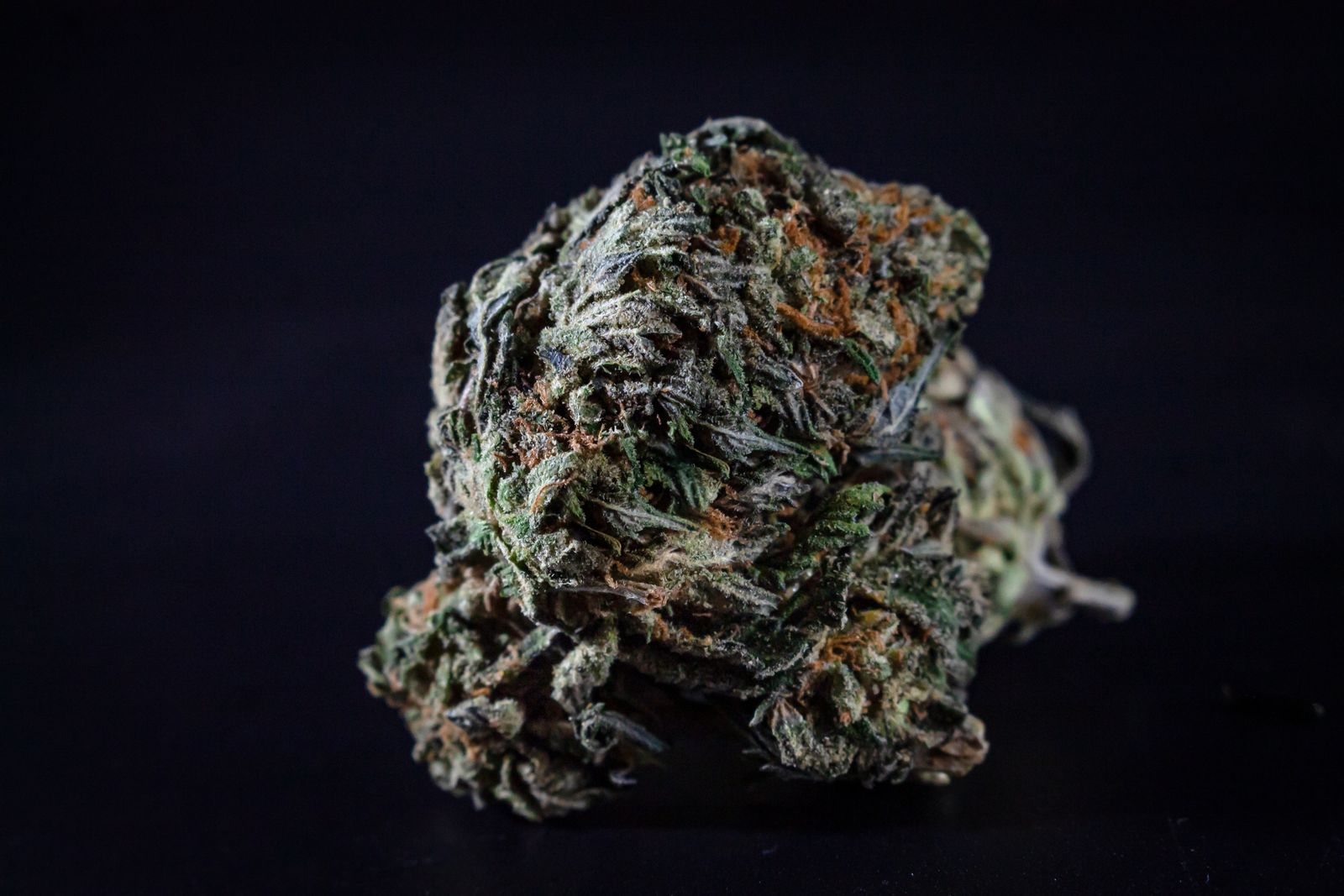
Do-Si-Dos Strain Review: Dense Buds, Deep Relaxation for Canadian Growers
13 min read
Strain Reviews
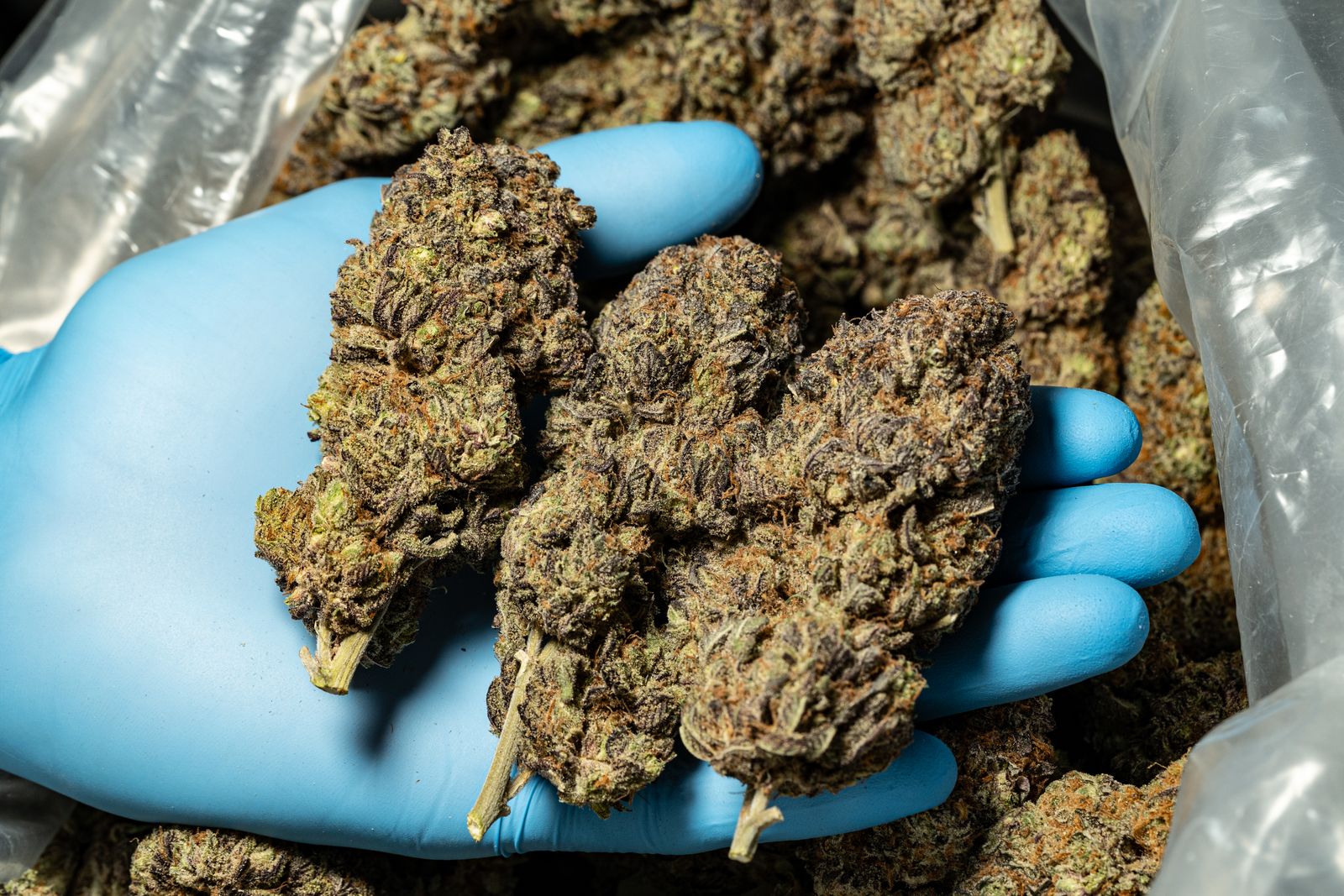
Blue Cheese Strain Review: Funky Indica Comfort for Canadian Growers
13 min read