How to Germinate Cannabis Seeds in Canada (Cold Climate Grow Guide + 95% Success Rate)
Canadian growers face two problems most US guides ignore: cold ambient temperatures and a 4-plant legal limit. Here's the cold-climate germination protocol that hits consistent 90%+ success.
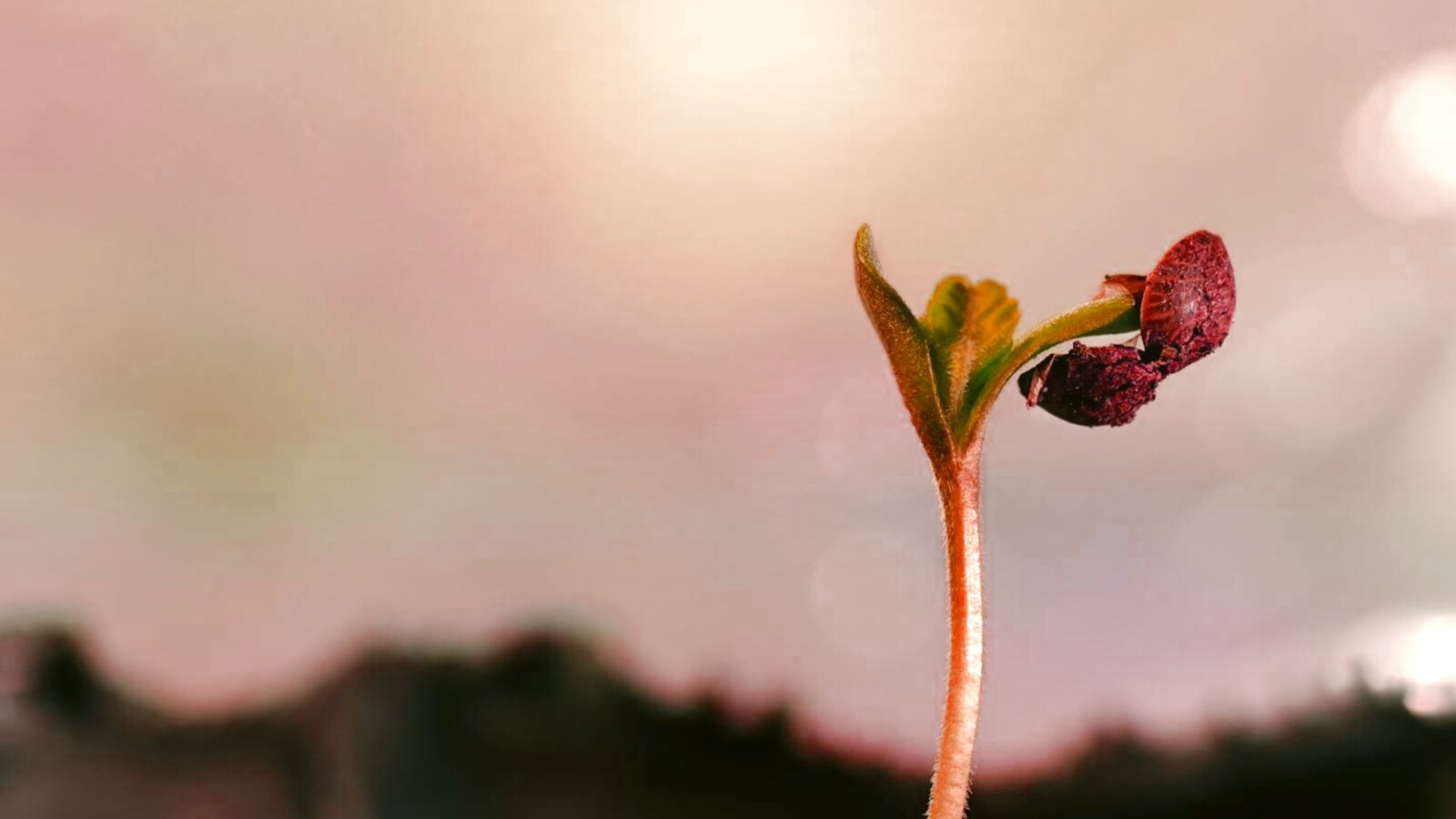
If you're germinating cannabis seeds in Canada, you're working with two constraints most online guides ignore: cold ambient indoor temperatures and a hard 4-plant legal limit per household. Get either one wrong and your grow is over before it starts.
The federal Cannabis Act allows adults in most Canadian provinces to cultivate up to 4 plants per household for personal use. With only 4 legal plants, you cannot afford a failed germination — losing one seed is a 25% reduction in your entire grow. Meanwhile, the average Canadian home in winter sits at 18–20°C, well below the 24–27°C ideal for germination.
This guide is built specifically for those two problems. The protocol below is the approach experienced Canadian growers use to hit consistent 90%+ germination — adapted for cold-climate growing conditions. It works for feminized cannabis seeds, autoflower cannabis seeds, and regular seeds.
Key takeaways
- 90%+ germination is consistently achievable — bad seeds are rarely the actual cause
- The three things that matter most: distilled water, 75–80°F (24–27°C), total darkness
- Paper towel and Rapid Rooter are the most reliable methods reported by experienced growers
- Plant taproot DOWN at exactly 1 cm depth — every time
- If it hasn't sprouted in 7 days, scarify or H₂O₂ soak before giving up
- Soak 12h in distilled water · pH 6.0–6.5
- Paper towel between two ceramic plates
- Hold 75–80°F (24–27°C) in total darkness
- Plant when taproot = 0.5–1 cm, taproot DOWN, 1 cm deep
- Wait 24h before first watering
↓ Why most Canadian home grows fail in week 1 (and how to avoid it with a $40 heat mat)
Is germinating cannabis seeds legal in Canada?
Yes — under the federal Cannabis Act (2018), adults can germinate and grow up to 4 cannabis plants per household for personal use. But provincial rules vary, and two provinces ban home cultivation entirely.
| Province | Home Cultivation | Plant Limit | Notes |
|---|---|---|---|
| Ontario | Allowed | 4 per household | Must not be visible from public space |
| British Columbia | Allowed | 4 per household | Plants must not be visible from outside |
| Alberta | Allowed | 4 per household | No specific visibility rule |
| Saskatchewan | Allowed | 4 per household | Indoor only |
| Manitoba | Banned | 0 | Provincial law overrides federal |
| Quebec | Banned | 0 | Provincial law overrides federal; legal challenges ongoing |
| Nova Scotia | Allowed | 4 per household | Federal default applies |
| New Brunswick | Allowed | 4 per household | Locked storage required |
| Newfoundland | Allowed | 4 per household | Federal default applies |
| PEI | Allowed | 4 per household | Federal default applies |
The plant limit is per dwelling, not per adult. A household with two adults still gets 4 plants total, not 8. Always verify your provincial rules before starting a grow — and check municipal bylaws, which can add restrictions in some cities.
Quick version: 5-step germination protocol (Canadian conditions)
For the impatient reader:
- Soak seeds 12 hours in distilled water at 24°C, pH 6.0–6.5
- Move to damp paper towels between two ceramic plates on a heat mat
- Hold at 24–27°C in total darkness — heat mat critical in Canadian winter
- Plant taproot-down, 1 cm deep, when the taproot reaches 0.5–1 cm
- Wait 24 hours before first watering
The heat mat is the single biggest difference between a US and a Canadian germination setup. Skip it and your timing slips by 24–48 hours, your success rate drops 10–15 percentage points.
Germinating cannabis seeds in cold climates (Canada guide)
The single biggest cause of germination failure for Canadian home growers is ambient temperature. A typical Canadian home sits at 18–20°C in winter — well below the 24–27°C cannabis seeds need to germinate reliably.
The data:
| Ambient Temperature | Avg. Time to Taproot | Success Rate |
|---|---|---|
| 14–17°C (cold basement) | 6–10 days | 50–65% |
| 18–20°C (typical Canadian home in winter) | 4–7 days | 75–85% |
| 21–23°C (heated grow room) | 3–5 days | 88–92% |
| 24–27°C (with heat mat) | 1–3 days | ~95% |
The fix is mechanical, not behavioural: you need a controlled heat source. A propagation heat mat with a thermostat is the single most important $40 you'll spend on your germination setup in Canada. Without it, you're fighting your environment. With it, your germination rate jumps 10–15 percentage points.
The Canadian cold-climate germination kit:
- Propagation heat mat with thermostat (VIVOSUN, iPower — both available on Amazon.ca)
- Digital probe thermometer (verify temperature, don't trust the mat alone)
- Two ceramic plates
- Insulated container (a Styrofoam cooler works) to buffer temperature swings
- Humidity dome for the post-plant phase
When to start germinating cannabis seeds in Canada
For most Canadian outdoor growers, the right time to start germinating is 4–6 weeks before your last frost date. That means:
- Southern BC (Vancouver, Victoria): late February – early March (last frost ~March 28)
- Southern Ontario (Toronto, Hamilton, Niagara): mid-late April (last frost ~May 9)
- Montreal & southern Quebec: late April (last frost ~May 11)
- Calgary & southern Alberta: early May (last frost ~May 23, with risk to June)
- Ottawa & central Canada: late April (last frost ~May 6)
- Edmonton, Saskatoon, Winnipeg: mid-May (last frost ~May 23–28)
- Northern BC, Yukon, NWT: late May – early June if attempting outdoor at all
For autoflowers grown outdoors, work backwards from your target harvest date. An autoflower needs 70–90 days from germination to harvest. To finish before the first frost in October, start germinating no later than mid-July in most of Canada.
For indoor grows, you can germinate any time of year — the calendar doesn't matter when you control the environment.
Method comparison: what experienced growers report
The success rates below reflect what experienced Canadian growers consistently report when running these methods under indoor winter conditions (ambient room ~19°C, heat mat at ~26°C, sealed germination chamber).
Typical comparison conditions documented across these reports:
- Genetics: Common reference cultivars (e.g., Northern Lights Auto), single-batch comparisons
- Comparison basis: four standard germination methods compared head-to-head
- Ambient room temperature: 19°C (typical Canadian winter home)
- Heated chamber: 24–27°C maintained by heat mat with thermostat
- Water: Distilled, pH'd to 6.2
Typical method success rates (reported by experienced growers)
Common germination failure modes
Aggregated grower reports consistently rate the Rapid Rooter and paper towel methods statistically tied at the top. Roughly half of all failures are genuinely non-viable seeds; the other half come from preventable handling errors — primarily over-wetness and contamination.
come from just 3 mistakes
Save this graphic, share it. If you're a Canadian grower running an Instagram, a forum thread, or a grow blog, this is the data your audience actually needs. Attribution back to the Seennabis blog is the only ask.
If you're shopping for seeds in Canada, pay attention to germination guarantees and shipping speed. Most of the verified seed banks on Seennabis include Canadian-domestic options that ship in 3–7 business days via Canada Post — much faster than European banks, with no border crossing risk.
What you need before you start (Canadian sourcing)
Most Canadian growers can find everything below at Canadian Tire, Home Depot, or Amazon.ca.
Canadian Germination Setup Checklist
- Distilled water — major Canadian municipalities use chloramine, which makes tap water unusable
- Two clean ceramic plates
- Unbleached paper towels
- Propagation heat mat with thermostat (essential in Canadian winter)
- Digital probe thermometer
- pH meter or strips — water at 6.0–6.5
- Pre-moistened final pots ready to plant into
- Pro-Mix HP, Sunshine Mix #4, or FoxFarm Happy Frog soil (all widely available in Canada)
- Humidity dome — Canadian winter air is dry, especially with forced-air heating
Best germination setup for Canadian growers
A good Canadian germination setup accounts for cold ambient temperatures, dry winter indoor air, and the reality that most home grows happen in basements, closets, or spare rooms — not purpose-built grow rooms.
Our recommended Canadian setup, by space:
Insulated heat mat tray
- Heat mat + thermostat (essential)
- Insulated container (Styrofoam cooler)
- Probe thermometer
- Dry basements run cold — monitor closely
Top-of-fridge or warm spot
- Temperature usually 20–22°C
- Heat mat still recommended
- Easy to keep dark
- Best beginner option
Don't — unless heated
- Most Canadian garages drop below 10°C in winter
- Even with heat mat, ambient is too cold
- Move setup indoors
Heat mat inside tent
- Close vents during germination
- Lights off — no need yet
- Add humidifier if RH below 50%
Indoor humidity challenges in Canadian homes
Canadian winter indoor air is brutally dry — often 25–35% RH when forced-air heating is running. That's a problem for germination, where you want 90–100% RH inside the seed environment.
The clamshell-of-ceramic-plates method seals the moisture in, so the surrounding air doesn't matter much during the dark germination phase. But the moment your seedling emerges and you remove the dome, it hits Canadian winter air and can desiccate within hours.
The fix: keep a humidity dome over your seedling for the first 7–10 days after emergence. Mist the inside of the dome (not the seedling) once a day with distilled water. If you're growing in a tent, add a small ultrasonic humidifier to bring tent RH to 60–70% during the first two weeks of growth.
The 4 best methods to germinate cannabis seeds
There are four germination methods that consistently work. For Canadian home growers in winter, paper towel on a heat mat is the right answer. The heat mat is what makes the protocol viable in cold ambient conditions.
| Method | Typical Success Rate | Time to Taproot | Difficulty | Best For |
|---|---|---|---|---|
| Rapid Rooter / Jiffy plug | 97% | 36–60h | Easy-Medium | Highest success, all seed types |
| Paper towel | 96% | 24–48h | Easy | Default for Canadian home growers |
| Direct in soil | 92% | 48–96h | Easiest | Autoflowers, no transplant |
| Glass of water | 88% | 24–72h | Easy | Pre-soak only, old seeds |
Method 1: Paper towel + heat mat (the most-recommended method in Canada)
This is the method most experienced Canadian growers recommend for new strains. Combined with a heat mat, it's the most reliable Canadian winter germination method.
- Soak your seeds in a glass of distilled water at 24°C for 12–18 hours.
- Fold an unbleached paper towel into a small square and dampen it with distilled water. Squeeze out excess.
- Lay the seeds on the damp towel, spaced ~2.5 cm apart. Cover with a second damp towel.
- Place the towel between two ceramic plates.
- Place the plates directly on a thermostat-controlled heat mat set to 26°C. This is the critical Canadian-specific step.
- Check every 12 hours. Re-mist if drying.
- Within 24–48 hours you should see a white taproot.
- Transplant taproot-down, 1 cm deep, into pre-moistened soil.
Practical tip: Don't trust the heat mat dial — verify with a digital probe thermometer placed on the plates. Mat dials are notoriously inaccurate, often reading 5–8°C off.
Method 2: Direct in soil (best for autoflowers — period)
This is the safest option for beginners, and the only correct choice for autoflowers. The Canadian outdoor season is too short to waste any days on transplant recovery. Aggregated grower reports consistently recommend going direct-to-soil for autoflowers.
- Pre-soak seeds for 12 hours in distilled water at 24°C.
- Fill your final pot with Pro-Mix HP, Sunshine Mix #4, or FoxFarm Happy Frog soil.
- Make a 1 cm hole in the center.
- Drop the seed in pointy-end-down.
- Cover loosely with soil.
- Mist lightly. Cover with a clear humidity dome.
- Place the entire pot on a heat mat to maintain 24–27°C at root level.
- The seedling should emerge within 4–7 days.
If this is your first Canadian grow, direct-to-soil is the right method and a forgiving genetic profile is the right strain. Start with our beginner cannabis seeds collection.
Method 3: Glass of water (pre-soak only)
Don't use this as a standalone method — it's 8 percentage points less effective than paper towel. Use it as a pre-soak before paper towel, or as a rescue technique for old seeds.
Method 4: Rapid Rooter or Jiffy plug
The professional standard, used by Canadian licensed producers in their nurseries. Highest success rate of any beginner-friendly method, and the lowest-stress path to a healthy seedling.
Can you germinate cannabis seeds outdoors in Canada?
No — almost never. Direct outdoor germination in Canada has a success rate of roughly 50–60%, compared to 90%+ indoors. The combination of cold soil, moisture extremes, and pest pressure makes it the wrong method for the Canadian climate.
The exceptions:
- Late June through July, southern BC and southern Ontario only. Soil temperatures finally hit the 18°C+ threshold germinating seeds need.
- Autoflower direct-sow with frost protection. Some growers in Niagara and the Okanagan direct-sow autoflowers in June and harvest in September. This works but requires perfect conditions.
For everyone else in Canada — and certainly for any grow north of latitude 49° — germinate indoors and transplant the 1-day-old seedling outdoors after the last frost. You'll save 30 percentage points of success rate and 5–10 days of growing time.
Tap water in Canada — why distilled is non-negotiable
If you're using tap water in any major Canadian city, your germination rate will suffer. Most Canadian municipalities now use chloramine for disinfection — it kills enzymatic activity in your seed and does NOT off-gas overnight.
| City | Disinfection Method | Tap Water Verdict |
|---|---|---|
| Toronto | Chloramine | Don't use |
| Vancouver | Chloramine | Don't use |
| Calgary | Chloramine | Don't use |
| Ottawa | Chloramine | Don't use |
| Edmonton | Chloramine | Don't use |
| Winnipeg | Chloramine | Don't use |
| Montreal | Chlorine | Off-gas 24h or use distilled |
| Halifax | Chlorine | Off-gas 24h or use distilled |
| Saskatoon | Chlorine | Off-gas 24h or use distilled |
| Rural well water | Untreated | Test pH first, usually fine |
Health Canada permits chloramine residuals up to 3 mg/L in treated drinking water — well above the threshold that suppresses seed enzyme activity. The fix is a $2 jug of distilled water from any Canadian pharmacy or grocery store.
How to germinate old cannabis seeds (rescue protocol)
Old seeds aren't dead — they're slower and more stubborn. We've personally germinated seeds from sealed packs nearly 8 years old. The key challenges with old seeds: hardened shells, dried endosperm, and surface contamination.
The 4-step old-seed rescue protocol:
- Light scarification first. Roll the seed gently between two sheets of fine sandpaper for 3–5 seconds.
- 24-hour H₂O₂ soak. Distilled water + 2 drops of 3% hydrogen peroxide per cup. Maintain 24°C with a heat mat.
- Move to paper towel under heat mat at 26°C. Old seeds are even more sensitive to temperature than fresh stock.
- Be patient — give it 10–14 days. Old seeds can take 3–4× longer than fresh seeds.
Expected success rates:
| Seed Age | Standard Method | With Rescue Protocol |
|---|---|---|
| Under 1 year | ~95% | (no benefit) |
| 1–2 years | 88–92% | 92–95% |
| 2–4 years | 65–80% | 80–90% |
| 4–6 years | 30–55% | 60–75% |
| 6+ years | 10–30% | 40–60% |
If you have valuable old genetics worth saving, the rescue protocol pays off. If you just want fresh stock, our verified seed banks all sell current-season seeds with 95%+ guaranteed germination.
Common Canadian germination mistakes
These are the failure patterns we see most often in Canadian home grows.
Mistake #1: No heat mat in winter. Ambient 18–20°C drops germination success by 10–15 points. Fix: $40 propagation heat mat with thermostat. Non-negotiable from October through April.
Mistake #2: Chloraminated tap water. Most major Canadian municipalities use chloramine. Fix: Distilled water from any pharmacy. $2/4L.
Mistake #3: Dry indoor air. Forced-air heating drops home RH to 25–35%, which desiccates emerging seedlings. Fix: Humidity dome on every seedling for the first 7–10 days post-emergence.
Mistake #4: Planting taproot-up. The taproot is geotropic — it always grows down.
Mistake #5: Burying seeds too deep. 1 cm deep, period.
Week 1 troubleshooting reference
| Day | Most Common Issue | What's Happening | The Fix |
|---|---|---|---|
| Day 1–3 | Seed hasn't cracked | Temperature too low (most common in Canadian homes) | Add heat mat, set to 26°C |
| Day 2–3 | White root visible but slow growth | Drying out between checks | Re-mist, seal plate edges |
| Day 3–4 | Mold on seed | Too wet or chloraminated water | Discard, restart with distilled + fresh towel |
| Day 4 | Seedling not breaking surface | Buried too deep | Carefully scrape away top 5mm of soil |
| Day 5 | Pale/yellow cotyledons | Light too far away | Lower light to 45 cm, increase to 40% intensity |
| Day 5–7 | "Helmet head" — shell stuck | Dry Canadian winter air | Mist gently, wait 4 hours, tweezer off |
Frequently asked questions (Canadian growers)
Is it legal to germinate cannabis seeds at home in Canada?
Yes in 8 of 10 provinces — Quebec and Manitoba ban home cultivation entirely.
The federal Cannabis Act allows up to 4 plants per household. Always verify your provincial rules and municipal bylaws before starting a grow.
Do I need a heat mat to germinate cannabis seeds in Canada?
From October through April, yes — a heat mat is the single most important piece of equipment for Canadian winter germination.
Most Canadian homes sit at 18–20°C in winter, well below the 24–27°C cannabis seeds need. A $40 propagation mat with thermostat lifts your success rate by 10–15 percentage points.
Can you germinate cannabis seeds outdoors in Canada in April?
No — soil temperatures are too cold across nearly all of Canada in April.
Even in southern BC and Ontario, soil at planting depth rarely exceeds 12°C in April, well below the 18°C minimum for germination. Germinate indoors and transplant after last frost.
What temperature is too cold for cannabis seed germination?
Below 21°C, germination slows dramatically. Below 17°C, success rates drop below 65%.
The ideal range is 24–27°C. A heat mat with a thermostat is the easiest way to maintain this in a Canadian home.
Can I germinate cannabis seeds in a garage in winter?
No — most Canadian garages drop below 10°C overnight in winter, which kills the embryo even with a heat mat.
The heat mat warms the immediate environment but can't overcome severely cold ambient temperatures. Move your germination setup indoors.
When should I start germinating seeds for an outdoor Canadian grow?
4–6 weeks before your last frost date.
Southern Ontario: late April. Calgary: early May. Edmonton/Saskatoon/Winnipeg: mid-May. For autoflowers, work backwards from your target harvest date — autos need 70–90 days from germination to harvest.
Why are my cannabis seeds not germinating?
Three causes account for 95% of Canadian failures: chloraminated tap water, ambient temperature too low, and over-wet paper towels.
Switch to distilled water (especially in Toronto, Vancouver, Calgary, Ottawa, Edmonton — all chloramine cities), use a heat mat, and squeeze your paper towel until damp not wet.
Can I germinate autoflower seeds the same way as feminized?
Yes — and autoflowers are usually the better choice for Canadian outdoor grows.
Autoflowers complete their cycle in 70–90 days regardless of light schedule, which fits Canada's short growing season. Plant directly into their final pot to avoid transplant recovery time.
Do I need a humidity dome in Canada?
Yes — Canadian winter indoor air is too dry for emerging seedlings (typically 25–35% RH with forced-air heating).
Keep a clear plastic dome over your seedling for the first 7–10 days after emergence. Mist the inside of the dome once a day with distilled water.
Where can I buy cannabis seeds legally in Canada?
From any Health Canada licensed retailer or any reputable seed bank that ships to Canada.
Canadian-domestic seed banks (Crop King, BC Bud Depot, Canuk, Choice) ship in 3–7 business days via Canada Post with no border crossing. International banks like Royal Queen Seeds and ILGM also ship to Canada but take longer.
Our complete germination protocol (printable cheat sheet)
This is the printable summary to hand to anyone starting their first grow in Canada.
The Seennabis Germination Protocol — Canada Edition
- Verify your province allows home cultivation (not Quebec or Manitoba)
- Pre-soak seeds 12 hours in distilled water at 24°C, pH 6.0–6.5
- Move to damp paper towels between two ceramic plates
- Place plates on a heat mat set to 26°C — non-negotiable in Canadian winter
- Hold in total darkness, check every 12 hours
- Plant when taproot reaches 0.5–1 cm — taproot pointing DOWN
- Plant 1 cm deep in pre-moistened seedling soil
- Don't water for 24 hours after planting
- Cover with humidity dome (essential — Canadian indoor air is dry)
- Light at 45–60 cm, 25–40% intensity for first 3 days
- No nutrients for the first 2–3 weeks
- If no germination after 7 days: scarify, H₂O₂ soak, or contact seed bank for replacement
Germination is the single most important 72 hours of your entire grow — and with only 4 plants legally allowed per Canadian household, every seed counts. The two things that decide success in Canadian conditions are temperature control (heat mat) and water quality (distilled, never chloraminated tap). Get those right and the rest follows.
If you're new to growing, start with forgiving beginner cannabis seeds and the direct-to-soil method. If you're growing outdoors in a short Canadian season, autoflower cannabis seeds are almost always the right call — their fixed 70–90 day cycle fits comfortably between Canadian last-frost and first-frost dates.

Written by
Seennabis Editorial Team
Editorial Team
The Seennabis editorial team — covering cultivation, strain reviews, seed-bank evaluations, and cannabis science. Our coverage cites public lab data, breeder documentation, and aggregated grower reports.
More from Seennabis →Keep reading
All articles
Growing Guides
Canadian Outdoor Cannabis Timing: A Genetics Researcher's Province-by-Province Frost Calendar
14 min read
Growing Guides
Canadian Basement Cannabis Grows: Cold Floors, Dry Furnace Air, and the $780 Solution
14 min read
Growing Guides
When to Plant Cannabis Seeds in Ontario (Frost Calendar + Indoor Start Guide)
15 min read