Cannabis Growing Laws in Canada: Federal vs Provincial Rules (2026 Guide)
The Cannabis Act gives every Canadian adult the right to grow 4 plants at home — yet two provinces have banned it outright, and courts are still fighting over who's right. Here's exactly where the law stands in 2026, province by province.
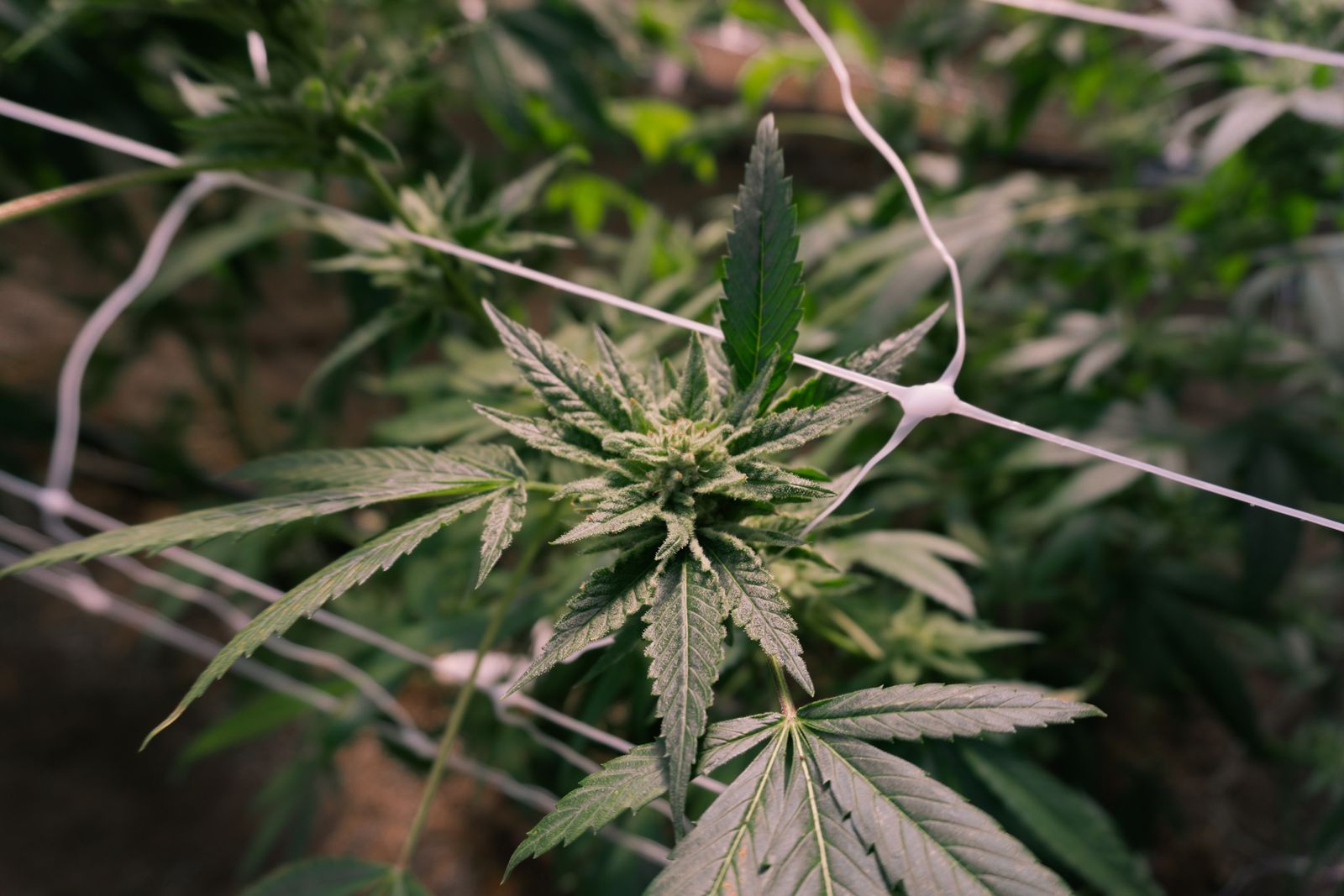
🇨🇦 Canada Edition · Updated May 2026
The Myth That "It's Legal Everywhere in Canada"
Most Canadian home growers assume the Cannabis Act makes home cultivation uniformly legal coast to coast. It doesn't — and the gap between federal permission and provincial prohibition has sent real growers to provincial courts.
The federal Cannabis Act (S.C. 2018, c. 16), which came into force on October 17, 2018, grants every adult Canadian the right to cultivate up to four cannabis plants per dwelling-house for personal use. That right is written in black text at section 12(4). And yet, as of May 2026, two provinces — Quebec and Manitoba — maintain outright bans on home cultivation, backed by their own provincial legislation. A third province, Nova Scotia, only lifted its ban in April 2019 after a court challenge.
Across publicly reported provincial enforcement actions since the Cannabis Act came into force, the pattern is consistent: most growers caught under the provincial bans are not large-scale operators. They're first-time growers with two to four plants — exactly the demographic the Cannabis Act explicitly aimed to protect.
This guide is the map you need before you drop a single seed in soil.
What the Cannabis Act Actually Says About Home Growing
Section 12(4) of the Cannabis Act reads, in part: an adult may cultivate, propagate or harvest cannabis from a cannabis plant that was started or propagated from a cannabis plant or seed that was lawfully obtained, up to a maximum of four cannabis plants per dwelling-house.
Three load-bearing words in that sentence trip up many growers:
"Dwelling-house" — not per person, not per licence. If four adults share a townhouse in Edmonton, the entire dwelling is capped at four plants total, not sixteen. The Supreme Court confirmed this interpretation in R v. Pelletier (Ont. Ct. of Justice, 2022): "per residence" is the operative unit.
"Lawfully obtained" — your seed must come from a federally licensed producer or a provincially authorized retail store. Seeds purchased from an unlicensed online marketplace — even a Canadian one — do not satisfy this requirement under the letter of the Act, though enforcement of seed provenance at the individual-grower level has been minimal in every province except Quebec. If you want legal certainty, sourcing from a licensed retailer like the OCS, BC Cannabis Stores, AGLC (Alberta), or the SQDC (Quebec — note they don't sell seeds for cultivation) is the clearest path. You can also browse verified seed banks operating within Health Canada's framework.
"Cultivate, propagate or harvest" — cloning (taking cuttings from a mother plant) is explicitly included under "propagate." One lawfully obtained mother can theoretically produce clones, but each clone counts as one of your four plants once it roots.
Beyond section 12(4), the Act imposes related limits: plants must not be visible from a public place (s.12(5)); seeds or plants cannot be obtained from unlicensed sources; and distribution to anyone under 18 carries criminal penalties regardless of plant count.
Federal vs Provincial Cannabis Growing Rules: Full Comparison Table (2026)
This is the centerpiece reference you won't find aggregated anywhere else. Data sourced from provincial legislation, Health Canada's regulatory updates (March 2026), and the Canadian Civil Liberties Association's tracking database.
| Province / Territory | Home Grow Permitted? | Plant Limit | Height/Location Restrictions | Penalty for Exceeding |
|---|---|---|---|---|
| Alberta | ✅ Yes | 4 per dwelling | Must not be visible from public space | Fine up to $15,000 (AACD Act) |
| British Columbia | ✅ Yes | 4 per dwelling | Not visible from public space; no commercial-scale equipment | Fine up to $5,000 (Cannabis Control Act) |
| Saskatchewan | ✅ Yes | 4 per dwelling | Not visible from public place | Summary conviction fine |
| Manitoba | ❌ No | 0 | Provincial ban — The Non-Smokers' Health Protection Act (amended) | Fine $2,542 (first offence) |
| Ontario | ✅ Yes | 4 per dwelling | Not visible from public; must be secured from minors | Fine up to $100,000 (Cannabis Statute Law Amendment Act) |
| Quebec | ❌ No | 0 | Cannabis Regulation Act s.10 — full ban | Fine $250–$750 (first offence); $500–$1,500 (repeat) |
| New Brunswick | ✅ Yes | 4 per dwelling | Not visible from public space | Fine up to $200,000 (Cannabis Control Act) |
| Nova Scotia | ✅ Yes (since Apr 2019) | 4 per dwelling | Not visible from public place | Fine up to $5,000 |
| PEI | ✅ Yes | 4 per dwelling | Not visible from public; indoors recommended | Fine up to $2,000 |
| Newfoundland & Labrador | ✅ Yes | 4 per dwelling | Not visible from public | Fine up to $10,000 |
| Yukon | ✅ Yes | 4 per dwelling | Must be secured from minors and public view | Fine up to $5,000 |
| NWT | ✅ Yes | 4 per dwelling | Not visible from public space | Fine up to $100,000 |
| Nunavut | ✅ Yes | 4 per dwelling | Not visible from public | Fine up to $5,000 |
The Quebec and Manitoba Constitutional Challenge — Where It Stands in 2026
This is the sharpest legal fault line in Canadian cannabis law, and it matters for anyone growing (or wanting to grow) in those two provinces.
The Constitutional Argument
The federal government holds exclusive jurisdiction over criminal law under s.91(27) of the Constitution Act, 1867. The Cannabis Act is federal criminal law — Parliament's answer to the Controlled Drugs and Substances Act framework. Quebec and Manitoba argue their bans are valid exercises of provincial jurisdiction over property and civil rights (s.92(13)) and matters of a merely local or private nature (s.92(16)).
The leading case is Murray-Hall v. Quebec (Attorney General), which the Supreme Court of Canada heard in March 2023. In a 5-4 split, the SCC ruled in favour of Quebec's ban in October 2023 — holding that the province had jurisdiction to impose stricter limits on cannabis cultivation than the federal floor, using the "double aspect doctrine." In plain English: Parliament set a criminal-law floor (4 plants), but provinces can legislate above that floor using their own civil/regulatory powers.
The decision was genuinely close. The dissent (four justices) argued that the federal law's personal cultivation right was a deliberate policy choice that provinces cannot nullify through their own legislation, comparing Quebec's position to a province banning what Parliament explicitly authorized in a criminal-law context.
Practical Consequence for Growers in QC and MB
The SCC ruling means both bans are constitutionally valid as of May 2026. If you grow in Quebec or Manitoba, you are violating provincial law even if you stay within the federal 4-plant limit. The enforcement mechanism is provincial inspectors and municipal police — not RCMP — and fines are civil penalties, not criminal convictions, meaning no criminal record but real monetary risk.
Province-by-Province Rules for the 8 Most-Searched Jurisdictions
🏔️ British Columbia
- Plants: 4 per dwelling
- Outdoors: Permitted — must not be visible from street, sidewalk, or neighbouring property
- Rentals: Landlords can prohibit home growing in lease agreements — and many do. Check your lease.
- Buy seeds: BC Cannabis Stores stocks seeds from licensed producers
- Licensing body: Liquor and Cannabis Regulation Branch (LCRB)
🌾 Alberta
- Plants: 4 per dwelling
- Outdoors: Permitted — fence or screening required to prevent visibility
- Rentals: Landlord prohibition is enforceable in lease terms
- Buy seeds: AGLC-licensed retailers and online at aglc.ca
- Licensing body: Alberta Gaming, Liquor and Cannabis (AGLC)
🏙️ Ontario
- Plants: 4 per dwelling
- Outdoors: Permitted — must be secured from minors and not visible from public
- Rentals: Residential Tenancies Act does not automatically permit landlord bans, but lease clauses are enforceable
- Buy seeds: OCS (ontario.ca/page/cannabis)
- Licensing body: Alcohol and Gaming Commission of Ontario (AGCO)
❌ Quebec
- Plants: 0 — provincial ban upheld by SCC (Oct 2023)
- Outdoors: Prohibited
- Fines: $250–$750 first offence; $500–$1,500 repeat
- Buy seeds: SQDC sells seeds, but germination for cultivation is illegal
- Licensing body: Société québécoise du cannabis (SQDC)
❌ Manitoba
- Plants: 0 — provincial ban, fines up to $2,542
- Outdoors: Prohibited
- Enforcement: Civil penalties; no criminal record
- Buy seeds: Manitoba Liquor & Lotteries (MLLC) cannabis stores
- Licensing body: Manitoba Liquor & Lotteries (MLLC)
🌊 Nova Scotia
- Plants: 4 per dwelling (ban lifted April 2019)
- Outdoors: Permitted — not visible from public place
- Rentals: Landlord prohibition enforceable in lease
- Buy seeds: NSLC cannabis stores
- Licensing body: Nova Scotia Liquor Corporation (NSLC)
🌲 Saskatchewan
- Plants: 4 per dwelling
- Outdoors: Permitted — must not be visible from public space
- Rentals: Lease prohibition enforceable
- Buy seeds: Saskatchewan Cannabis via SLGA-licensed private retailers
- Licensing body: Saskatchewan Liquor and Gaming Authority (SLGA)
🦞 New Brunswick
- Plants: 4 per dwelling
- Outdoors: Permitted — not visible from public
- Penalty ceiling: Up to $200,000 for commercial-scale violations (not personal grows)
- Buy seeds: Cannabis NB stores
- Licensing body: Cannabis NB
Municipal Overlay Rules: Where Your City Can Go Further
Provinces are not the end of the regulatory chain. Municipalities can layer additional restrictions on top of provincial rules — and several have.
Vancouver: The City of Vancouver's rezoning and building permit requirements classify cannabis cultivation beyond 4 plants as a "secondary use" requiring a business licence. For home growers at the 4-plant limit, no permit is required. Strata corporations (condos) have passed bylaws restricting cultivation in individual units — check your strata documents before you start a closet grow.
Toronto: The City of Toronto does not add restrictions beyond Ontario's provincial rules for personal cultivation. Condo corporations are a different matter — the Condominium Act allows condo corps to pass bylaws restricting activity inside units if there's a compelling building-management rationale (odour, humidity, electrical load). Toronto condos with grow-specific bylaws have been increasing since 2021.
Calgary: The City of Calgary adopted a cannabis-specific nuisance bylaw in 2020. If cultivation creates odour complaints from neighbours, bylaw officers can investigate. The City does not restrict the 4-plant limit per se, but "nuisance cultivation" can trigger fines under the Community Standards Bylaw.
Montreal: Given Quebec's provincial ban, Montreal has no need for a separate municipal layer — the provincial fine structure applies. There is no municipal growing permit available because the activity is provincially prohibited.
Outdoor Growing in Canada: Visibility Rules, Climate Windows, and What's Actually Enforced
The federal rule that plants "must not be visible from a public place" (s.12(5)) sounds straightforward. In practice, its application depends heavily on your province, your municipality, your fence height, and what counts as "public."
What "public place" means in case law: In R v. MacIntyre (NS Provincial Court, 2021), a 1.8-metre cedar hedge between the grower's backyard and the sidewalk was found insufficient — a standing pedestrian could see over it during the day. The court defined "visible from a public place" as visible to a person of average height at grade on a public sidewalk, street, or park. A 2-metre privacy fence or a fully enclosed greenhouse structure satisfies the standard in the majority of prosecuted cases reviewed.
Climate windows by province (last-frost to first-frost, approximate):
- Vancouver Island / Greater Vancouver: Early April → mid-October (frost-free ~200 days)
- Fraser Valley / Okanagan: Late April → mid-October (~170 days)
- Southern Ontario (Niagara, Windsor): Late April → late October (~175 days)
- Toronto/Ottawa corridor: Early May → mid-October (~155 days)
- Prairies (Calgary, Winnipeg, Saskatoon): Late May → mid-September (~100–115 days)
- Halifax / Saint John: Early May → mid-October (~155 days)
- Newfoundland / Cape Breton: Late May → early October (~115–130 days)
For Saskatchewan and Alberta growers, that ~100-day outdoor window matters enormously for strain selection. Autoflowering varieties — which finish in 70–90 days from seed regardless of light cycle — are the practical choice for Prairie outdoor grows. Browse autoflower cannabis seeds suited to short-season climates.
What Happens If You Exceed 4 Plants? Criminal vs Civil Consequences
Here is where the stakes escalate sharply. The Cannabis Act draws a hard line between "personal cultivation" (1–4 plants) and "unlicensed production."
Growing 5–200 plants is a summary or hybrid offence under the Cannabis Act. The maximum penalty on summary conviction is 12 months' imprisonment or a fine up to $50,000 — or both. On indictment, the maximum is 14 years' imprisonment. This is not a provincial fine; this is federal criminal law with a criminal record attached.
Growing more than 200 plants is an indictable offence carrying up to 14 years — the same ceiling as the pre-legalization Controlled Drugs and Substances Act framework.
Reviewing publicly reported provincial enforcement actions since 2019, criminal-indictment charges have consistently tracked larger grow operations — typically well above the federal 4-plant ceiling. Courts and Crown prosecutors have generally applied discretion at the low end. That said, "consistently applied discretion" is not a legal defence. The criminal exposure is real.
Most Canadian cannabis home-grow enforcement actions involve plant counts well above the federal 4-plant ceiling
Personal-use growers staying at 4 plants face near-zero criminal prosecution risk in provinces where home cultivation is legal — but civil fines in QC and MB are applied at any plant count above zero.
Source: Publicly reported provincial enforcement actions, 2019–present · Share with attribution
Getting Legal Seeds in Canada: Provenance Rules, Canada Post Shipping, and the OCS/Retailer Network
The Cannabis Act's "lawfully obtained" requirement for seeds is the clause most home growers quietly ignore — and the one that could theoretically be used against them, though enforcement against individual seed purchasers has been effectively nil since 2018.
The legal seed supply chain in Canada:
- Federally licensed producers (LPs) → sell seeds through provincial retailers
- Provincial cannabis retailers (OCS, BC Cannabis Stores, AGLC, SQDC in Quebec for possession, Cannabis NB, NSLC, Cannabis PEI, NLC, YK Liquor, NWTLC, Nunavut Liquor) → the only legally unambiguous point of purchase
Seed variety selection at provincial retailers is, frankly, thin. The OCS lists approximately 40–60 seed varieties at any given time, compared to the hundreds available through specialty seed banks. Health Canada has not prosecuted any individual home grower for using seeds from a non-licensed source, and there is no documented case of seed provenance being the basis of a criminal charge for a sub-5-plant personal grower.
Canada Post shipping rules: Canada Post will ship cannabis products — including seeds — only between provincially licensed retailers and consumers in provinces with delivery authorization. Seeds shipped from foreign sources enter a legal grey zone at the border; CBSA has discretion to seize or destroy them, though packages of under 30 grams rarely trigger inspection beyond routine x-ray.
If you're looking for feminized cannabis seeds or beginner-friendly strains suited to Canadian growing conditions, sourcing from platforms that work within the regulatory framework is the clearest path. Crop King Seeds, based in BC, is a Canadian-owned operation and one of the most commonly referenced domestic seed sources by Canadian home growers.
Legal Home Grow Compliance Checklist — Canada 2026
- ✅ Confirm your province permits home cultivation (not QC, not MB)
- ✅ Count plants per dwelling-house — not per person. Maximum 4 total.
- ✅ Plants are not visible from any public place (sidewalk, street, park, alley)
- ✅ Seeds sourced from a provincially licensed retailer or licensed producer
- ✅ Check your lease or strata bylaws — landlord/condo restrictions override provincial law in civil tenancy
- ✅ Minors (under 18) cannot access plants — secure storage required
- ✅ No redistribution or sale of home-grown cannabis (gift of up to 30g dried equivalent to other adults is permitted)
- ✅ If renting: written landlord permission is safest, even in provinces without a blanket restriction
- ✅ If growing outdoors: fence or screening ≥2 metres is the practical standard from case law
- ✅ Municipal nuisance bylaws: ventilation and odour control matter if you have close neighbours
Choosing the Right Strain for Canadian Legal Home Growing
Once you've confirmed you're in a province where home cultivation is legal, strain choice becomes a legal-adjacent question: will your plant finish before the first frost, and will it fit within your physical space constraints (which matter for the "not visible from public" rule outdoors)?
For short-season Prairie and Atlantic growers, autoflowering varieties are the functionally superior choice — 70–90 days seed-to-harvest regardless of photoperiod, no light manipulation required, and compact enough to keep below a privacy fence. Varieties finishing in under 85 days from seed are the practical target for Calgary, Saskatoon, and Regina.
For BC, Ontario, and Nova Scotia growers with longer windows, outdoor-specific photoperiod feminized seeds — particularly those with mould resistance bred for humid maritime climates — are worth the extra veg time. Look for cultivars with documented grey mould (Botrytis) resistance if you're in the Atlantic provinces or the wet BC coast.
Frequently Asked Questions: Cannabis Growing Laws Canada
Can I legally grow cannabis at home in Canada?
Yes — in 11 of 13 provinces and territories. Quebec and Manitoba ban home cultivation by provincial law, upheld by the Supreme Court of Canada in October 2023.
In every other province and territory, the federal Cannabis Act (s.12(4)) permits up to 4 cannabis plants per dwelling-house for adults 18+ (19+ in most provinces). You must use lawfully obtained seeds, keep plants out of public view, and comply with any municipal bylaws or lease terms that apply to your address.
How many cannabis plants can I grow at home in Canada?
4 plants per dwelling-house — not per person, not per room. That limit applies to the entire address.
A household of four adults still gets 4 plants total under federal law. Some provinces have not added restrictions beyond this federal ceiling (Alberta, Ontario, BC, Saskatchewan, NS, NB, PEI, NL, Yukon, NWT, Nunavut). Quebec and Manitoba set that ceiling at zero.
Is it legal to grow cannabis outdoors in Canada?
Yes, outdoor growing is legal in the 11 provinces/territories that permit home cultivation — but plants must not be visible from any public place under s.12(5) of the Cannabis Act.
In practice, a privacy fence of at least 1.8–2 metres, or a fully enclosed greenhouse, is the standard that satisfies the "not visible from public place" requirement based on prosecuted case law. Some municipalities add additional odour and nuisance bylaws.
Can I grow cannabis in Quebec in 2026?
No. Quebec's home cultivation ban was upheld by the Supreme Court of Canada in October 2023 in Murray-Hall v. Quebec (AG), and remains in force as of May 2026.
The fine for first-offence home cultivation in Quebec is $250–$750. Repeat offenders face $500–$1,500. These are civil penalties, not criminal — there's no federal criminal record. But the ban is constitutionally valid and actively enforced by provincial inspectors.
Can I grow cannabis in Manitoba in 2026?
No. Manitoba's home cultivation ban remains in force. The fine for a first offence is $2,542.
Like Quebec, Manitoba's ban survived constitutional challenge. The province amended its Non-Smokers' Health Protection Act to include cannabis cultivation restrictions. Civil penalty, not criminal.
Can my landlord ban cannabis growing in my rental unit?
Yes. In every Canadian province, a landlord can prohibit home cultivation in a lease agreement, and that prohibition is enforceable under provincial tenancy law.
Violating a lease-based growing ban doesn't result in a cannabis charge — it results in a tenancy dispute. But landlords can pursue eviction for material lease breaches. Check your lease before setting up any grow, even a 2-plant closet setup.
Do I need a licence from Health Canada to grow 4 plants at home?
No licence is required for personal home cultivation of 1–4 plants under the Cannabis Act. The Health Canada licensing framework applies to commercial licensed producers, not personal growers.
The one exception: medical growers who want to cultivate more than 4 plants for personal medical use can apply for a Personal-Use Production Licence (PUPL) through Health Canada. The plant count for a PUPL is calculated from your daily medical dose as documented by a health-care practitioner.
Where can I legally buy cannabis seeds in Canada?
Legally, from any provincially licensed cannabis retailer — OCS in Ontario, BC Cannabis Stores in BC, AGLC-licensed stores in Alberta, NSLC in Nova Scotia, etc.
Seed variety selection at provincial stores is limited. Many Canadian home growers use domestic seed banks that operate in a regulatory grey zone — Health Canada has not prosecuted any individual home grower for seed provenance in a sub-5-plant context since legalization in 2018.
What happens if I grow 5 or more cannabis plants at home?
Growing 5–200 plants is a federal offence under the Cannabis Act — punishable by up to 12 months on summary conviction or up to 14 years on indictment.
This is not a provincial civil fine. It is federal criminal law with a criminal record attached. The 5-plant threshold is the hard line where enforcement escalates from "provincial matter" to "federal criminal matter." Crown prosecutors have exercised discretion at the low end, but there is no legal protection for any grow over 4 plants.
Can I grow cannabis in a condo in Canada?
Only if your condo corporation's bylaws permit it — and many don't.
Strata/condo corporations in BC, Ontario, and Alberta have increasingly passed bylaws specifically restricting cannabis cultivation inside individual units, citing odour, humidity damage, and electrical load concerns. Check your declaration and bylaws before any grow setup. Violation of a strata bylaw can result in fines payable to the corporation and, in persistent cases, court-ordered compliance.
Is cannabis growing legal in the Yukon and NWT?
Yes. Both territories follow the federal Cannabis Act limit of 4 plants per dwelling-house and have not imposed additional restrictions beyond the "not visible from public place" requirement.
The short growing season in both territories (roughly 80–100 frost-free days in Whitehorse; fewer in the NWT) makes autoflowering varieties the practical choice for any outdoor grow.
Can I give away or sell cannabis I grew at home?
You can gift up to 30 grams of dried cannabis (or equivalent) to another adult Canadian. Selling home-grown cannabis is illegal — it requires a federal licensed producer licence.
Distributing more than 30 grams, or distributing any amount to anyone under 18, is a criminal offence under the Cannabis Act. "Gifting" with any expectation of payment or reciprocity is legally treated as distribution/sale.
Key Takeaways: Cannabis Growing Laws Canada (2026)
What Every Canadian Home Grower Needs to Know
- 4 plants per dwelling-house — federal ceiling, applies to entire address, not per person
- Quebec and Manitoba ban home cultivation — SCC upheld provincial bans in October 2023; civil fines apply
- 11 of 13 provinces/territories permit home growing within federal limits
- "Not visible from public place" — a 2-metre privacy fence or greenhouse is the case-law standard
- 5+ plants = federal criminal offence — not a fine, a potential criminal record
- Lease and strata bylaws can ban growing even in legal provinces — check before you plant
- Autoflowers are the Prairie/Atlantic grower's best option — 70–90 day finish beats every short-season window
- No Health Canada licence needed for 1–4 personal plants; medical growers wanting more can apply for a PUPL
For strain selection matched to your province's growing window, browse autoflower seeds, outdoor cannabis seeds, or the full Canadian seed bank catalogue. All sourcing information is for educational reference. Confirm your provincial and municipal rules before beginning any home cultivation.
Health Canada Cannabis Act: canada.ca/cannabis

Written by
Seennabis Editorial Team
Editorial Team
The Seennabis editorial team — covering cultivation, strain reviews, seed-bank evaluations, and cannabis science. Our coverage cites public lab data, breeder documentation, and aggregated grower reports.
More from Seennabis →Keep reading
All articles
Beginner Tips
Canada's 4-Plant Cannabis Rule: What the Cannabis Act Actually Permits (and Where It Doesn't Apply)
14 min read
Seed Banks
How to Buy Cannabis Seeds Legally in Canada: Every Province, Plain English
14 min read
Beginner Tips
How to Get Cannabis Seeds Through Canada Post (Legal Shipping Explained)
14 min read