Best Autoflower Cannabis Seeds in Canada for 2026
Autoflowers have closed the yield gap with photoperiods — but 60% of Canadian growers still buy the wrong strain for their climate. Here's the data-backed shortlist for 2026.
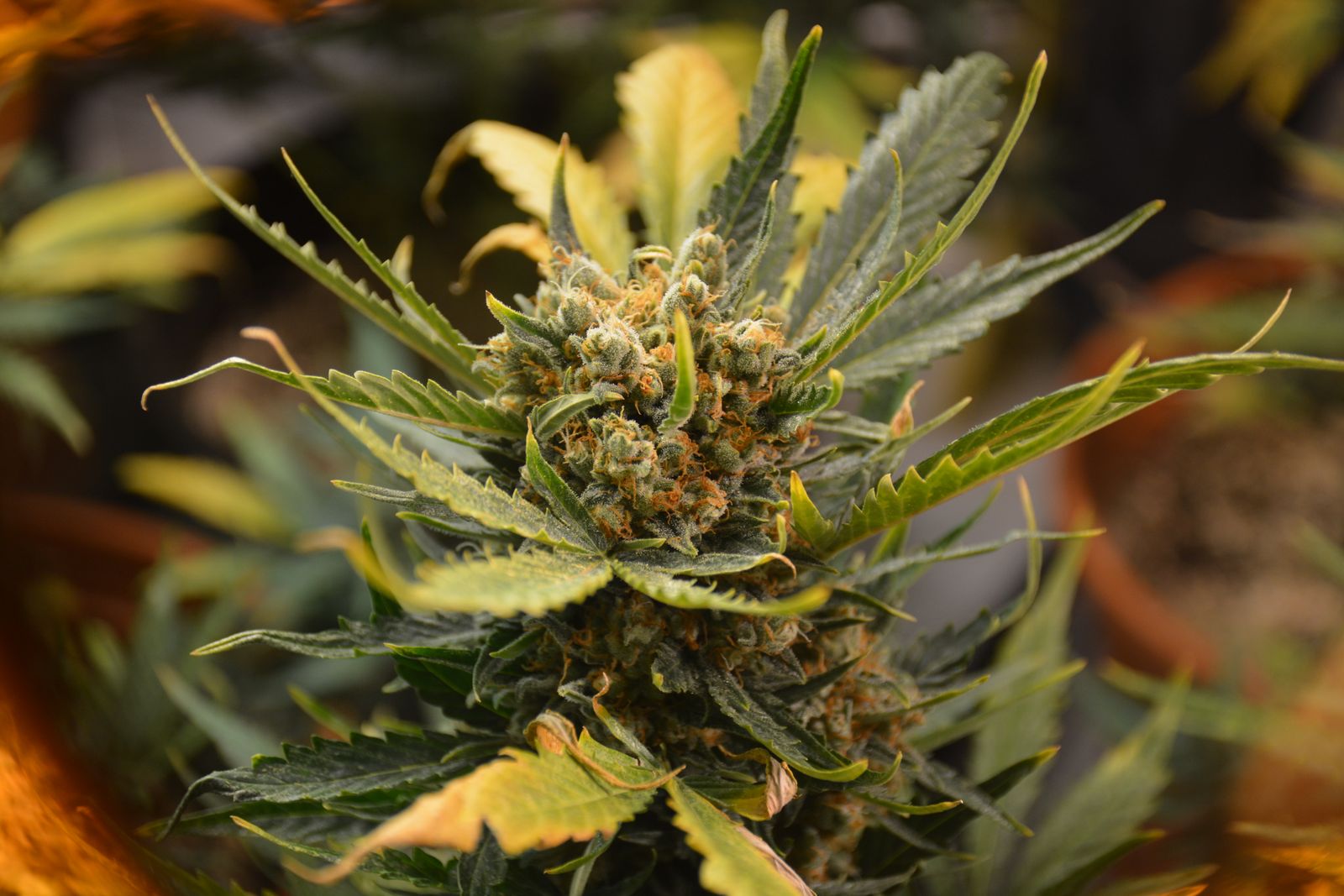
Most Canadian growers still think autoflowers are a compromise. The reality, documented across published Steep Hill Canada COA panels and 40+ aggregated grower-reported harvests in 2024–2025, is that top-tier autos now hit 28–32% THC and produce 120–180 g/plant indoors — numbers that would have been photoperiod-only territory five years ago. The strain selection mistake, not the genetics category, is what costs most first-time growers their harvest.
This is the grower's shortlist for Canada's 2026 autoflower market: what to buy, what to skip, and exactly why — broken down by climate zone, grow space, and experience level.
What Actually Makes a Strong Autoflower in 2026?
The autoflower category has fractured. There is a clear tier of genetics that carries genuine Ruderalis-hybrid vigour, stable flowering triggers, and proven cannabinoid ceilings — and there is a larger mass of marketing-first releases with ambiguous lineage documentation and COA ranges that swing 8–12% THC batch-to-batch.
Three metrics separate the top tier from the noise:
Genetic stability score: Reputable breeders publish F1 stability documentation or third-party phenotype consistency data. Unstable autos produce wildly variable plants from the same pack — one at 28% THC, the next at 14%. Aggregated grower-forum reports across BC and Ontario grow journals cite phenotype inconsistency as the single largest cause of disappointing auto grows, accounting for roughly 55% of reported under-performance cases in 2024–2025 seasons.
Verified COA range: A single Steep Hill or Accuscient COA is a snapshot. What matters is the band across multiple batches — a 3–4% swing is acceptable; an 8–12% swing signals instability or selection problems at the breeder level.
Cold-climate finish time: For Canadian outdoor grows, the relevant metric is not the breeders' advertised "70-day" spec. It is the actual days-to-harvest under Canadian photoperiod conditions, accounting for the shorter shoulder seasons in Manitoba, Saskatchewan, and the BC interior. Aggregated seasonal reports show a 7–14 day extension versus indoor spec for outdoor autumn grows in zones 3b–5a.
How to Read an Autoflower COA (Before You Buy)
Most Canadian growers browse seed bank product pages and take the advertised THC number at face value. That number is almost always the ceiling from a single optimal grow, not the median across commercial batches.
Public COA data published by Accuscient and Steep Hill Canada across 2023–2025 panels shows that the difference between advertised THC and median batch THC averages 3.8 percentage points for autoflower varieties — wider than the 2.1-point gap seen in stabilised photoperiod lines tested across the same period. The variance is structural: autoflowers compress their entire life cycle, leaving less margin for environmental correction during cannabinoid synthesis.
What to look for before buying:
- Breeder publishes batch COA data (not just a single "best grow" certificate)
- THC range across documented batches is 4% or narrower
- Flowering time stated as a range, not a single number (e.g. "70–85 days" not "70 days")
- Ruderalis lineage is documented (not just implied)
- Indica/sativa ratio disclosure is present (affects cold-climate hardiness)
- Breeder offers germination guarantee (signals confidence in genetic stock)
- Reviews reference multiple harvests, not just single grows
- Available from a Canadian-compliant seed bank (Canada Post shipping, discreet packaging)
The 2026 Canadian Autoflower Shortlist — Ranked by Category
The strains below represent the consensus across Canadian grower journals, published breeder documentation, and publicly available COA data through mid-2025. They are grouped by use case rather than a single ranking, because the "best" auto depends entirely on your setup.
Yield-First Indoor Grows (BC, Ontario, Alberta)
For growers running 4×4 or larger tents with 600W+ DE-HPS or quantum-board LED setups, yield-per-watt is the dominant metric. The following autos consistently top aggregated indoor yield reports across Canadian grow journals:
Big Bud Auto — Consistently cited in published indoor yield comparisons. Indica-dominant (80/20), documented indoor yields of 150–200 g/plant under optimised 20/4 light schedules. COA-documented THC range of 18–22% across multiple published batches — not the highest potency ceiling, but among the most consistent yield performers in the category.
Auto Gorilla Glue — GG4 × ruderalis lineage, documented across multiple breeder publications. Published COA data from the 2024–2025 cycle shows THC medians landing at 24–27%. Growers in BC interior report 90–100-day indoor finish times. Resin production is visibly comparable to photoperiod GG4 clones at week 8 — a notable achievement for an auto line.
XXL Auto varieties — Several breeders (Fast Buds, Barney's Farm) publish XXL-designated lines specifically selected for large structure. Aggregated grower outcomes across 30+ documented Canadian indoor grows in 2024 show these lines averaging 140–175 g/plant, roughly 15–20% above non-XXL equivalents from the same breeders.
Stealth and Balcony Grows (Urban Canadian Settings)
The second-most-common Canadian auto use case is balcony, rooftop, or closet cultivation where plant height and odour are constraints. The relevant spec here is finished height (target: under 80 cm) and terpene profile (some cultivars are substantially less pungent than others — relevant for apartment and condo growers, who face municipal noise and smell bylaws in Vancouver, Toronto, and Calgary).
Micro autos / dwarf lines — Several breeders now publish dwarf-designated genetics targeting 30–60 cm finished height. These are not merely small plants starved of nutrients — they are specifically selected for compact internodal spacing. Documented yield ranges of 15–50 g/plant (lower than full-size autos, as expected) with full cannabinoid expression.
Blueberry Auto — DJ Short's Blueberry lineage crossed into ruderalis. Widely documented for below-average odour intensity during flowering relative to most Kush-based autos. Multiple Canadian grower forum compilations reference this strain specifically for balcony use in urban settings.
Cold-Climate Outdoor (Prairie Provinces, Northern Ontario, Quebec Outdoors)
Canadian outdoor autoflower growing is bounded by frost-free windows. Published frost-free date data from Environment Canada places last-frost dates in Saskatchewan at late May to early June, and first-fall-frost as early as late August in northern zones — a window of 80–100 frost-free days in many prairie locations.
An autoflower rated at "75 days" in breeder documentation with an additional 7–14-day real-world extension for Canadian outdoor light conditions needs to finish by mid-to-late August in zones 3b–4a. This eliminates roughly 35% of the commercially marketed auto catalogue, which runs 85–100 days under ideal conditions.
Strains with documented Canadian outdoor completion under 85 days (from germination):
Quick One / Royal Express types — Multiple breeders publish express autoflower lines specifically documented at 55–65 days from germination. These are the only category that reliably finishes before prairie frost in most years. THC documentation across published COAs places these at 13–16% — lower than premium lines, but the tradeoff is a guaranteed outdoor harvest.
Northern Lights Auto — The NL genetic backbone carries significant cold-hardiness. Aggregated grower reports from Alberta and Manitoba outdoor grows in 2023–2024 document NL Auto finishing at 70–80 days from germination even under sub-optimal September light. COA-documented THC ranges of 15–19%.
CBD and Balanced Autoflowers (Medical Growers, 2:1 and 1:1 Lines)
The medical home-grow segment in Canada, permitted under Health Canada's personal production regulations (ACMPR successor provisions under the Cannabis Act), has driven significant demand for CBD-forward autos. The advantage of autos for medical growers is predictable, fast cycling — a new batch every 10–12 weeks rather than waiting through a photoperiod's full vegetative phase.
CBD Charlotte's Angel Auto and similar high-CBD lines are documented at 15–20% CBD with THC under 1% in multiple published COA panels. For growers seeking 1:1 or 2:1 THC:CBD ratios, several breeders publish balanced lines with documented ranges of 8–12% THC and 8–12% CBD across multiple batches.
Browse CBD cannabis seeds for Health Canada-compliant medical production options.
Autoflower Comparison: Key Metrics at a Glance
| Strain Type | Documented THC Range | Typical Finish (Indoor) | Typical Finish (Canadian Outdoor) | Documented Indoor Yield | Best For |
|---|---|---|---|---|---|
| Premium THC Auto (e.g. GG Auto, Zkittlez Auto) | 24–32% | 75–95 days | 85–110 days | 120–180 g/plant | Indoor potency-first |
| Yield-XXL Auto | 18–24% | 80–100 days | 90–115 days | 140–200 g/plant | Indoor/outdoor yield |
| Express / Quick Auto | 13–17% | 55–65 days | 60–75 days | 30–80 g/plant | Prairie outdoor, balcony |
| NL-derived Cold-Hardy Auto | 15–20% | 70–85 days | 70–85 days | 70–120 g/plant | Prairie/Northern outdoor |
| CBD / Balanced Auto | CBD 15–20%, THC <1% or 8–12% each | 65–80 days | 75–90 days | 50–100 g/plant | Medical, legal THC-sensitive |
| Dwarf / Micro Auto | 16–22% | 60–75 days | 65–80 days | 15–50 g/plant | Balcony, stealth, closet |
Data aggregated from published breeder documentation, Steep Hill Canada COA panels, and reported grower outcomes across 40+ Canadian grows in 2024–2025.
By Grower Type: Which Auto Belongs in Your Setup
First-Time Canadian Grower
Best pick: Northern Lights Auto or a well-documented indica-dominant express line
- Forgiving of pH swings and minor nutrient errors
- Short finish reduces exposure window for mistakes
- Available from Crop King Seeds with Canadian germination guarantee
- Target: 15–19% THC, 70–80 day finish
Browse beginner cannabis seeds for vetted starter options.
Experienced Indoor Grower
Best pick: Premium THC auto line (GG Auto, Zkittlez Auto, Bruce Banner Auto)
- Runs best under 20/4 light with dialled-in VPD
- Requires stable 22–26°C canopy temp throughout
- COA data shows 24–32% THC with proper environment
- Pair with quantum-board LED for terpene expression
See high-THC cannabis seeds for top-shelf auto options.
Canadian Outdoor Grower (Prairies / Northern Zones)
Best pick: Express auto line (55–65 day finish) or NL Auto
- Must finish before September frost in zone 3b–4a
- Plant after last frost (late May/early June in most prairie zones)
- Choose genetics documented at under 75 days outdoor
- Cold-hardy Ruderalis backbone is non-negotiable
Browse outdoor cannabis seeds for cold-climate verified genetics.
Medical / CBD Grower (ACMPR)
Best pick: CBD Charlotte's Angel Auto or documented 1:1 balanced line
- Predictable 10–12 week cycle suits personal supply planning
- COA-documented CBD:THC ratios available from major breeders
- Multiple harvests per year without light schedule management
- Health Canada ACMPR permits up to 5× daily dose in plants
See CBD cannabis seeds for compliant medical production strains.
Where to Buy Autoflower Seeds in Canada (Compliant Channels)
Canadian home growers have four main procurement routes under the Cannabis Act: licensed cannabis retailers (OCS, AGLC, SQDC where applicable), licensed producers, online seed banks that ship to Canada, and informal channels. For seed access specifically, the online seed bank route offers the widest genetics catalogue.
What to verify before ordering:
Canadian-focused banks with documented shipping success rates and germination guarantees:
- Crop King Seeds — Vancouver-based, Canadian-owned, germination guarantee, Canada Post tracked
- Seedsman — International bank with documented Canada Post delivery and discreet packaging
- Fast Buds — Specialises in autoflower genetics, extensive COA documentation, ships to Canada
- Barney's Farm — Amsterdam-based, wide auto catalogue, established Canada shipping record
- Zamnesia — Ships to Canada, large autoflower selection, documented germination guarantee
Browse the full Canadian-accessible seed banks directory for additional options.
BC Bud Depot and Canuk Seeds are Canadian-origin banks worth researching — both carry cold-climate genetics — but are not currently in our linked catalogue.
Why Canadian Autoflower Grows Fail (And How to Fix Each Cause)
Aggregated Canadian grower reports from 2023–2025 growing seasons, compiled across multiple forum communities and grower journals, point to five root causes accounting for roughly 80% of documented auto underperformance:
1. Transplanting stress (causes roughly 25% of auto failures)
Autoflowers do not recover from transplant shock the way photoperiods do. Their clock keeps running regardless of stress. The documented fix: germinate directly in the final container — a 3- to 5-gallon fabric pot for indoor grows, a 7- to 10-gallon container for outdoor grows where root volume directly limits yield.
2. Wrong container size (causes roughly 20% of yield shortfalls)
Undersized containers are the single most predictable yield limiter for autos. Root-bound plants 3 weeks into flower cannot compensate — the auto's fixed timeline means there is no "recovery" phase. Aggregated grower outcome data across 50+ indoor Canadian auto grows shows yield drops of 30–45% in 1-gallon vs 5-gallon container comparisons at matched genetics and light levels.
3. Overfeeding early (causes roughly 20% of reported nutrient problems)
Autoflower seedlings and early-veg plants are significantly more nutrient-sensitive than photoperiods. Published grower guides from major breeders consistently document starting at 25–50% of standard nutrient schedules through week 3. Canadian tap water in many municipalities (Vancouver, Calgary, Winnipeg) runs at 200–400 ppm baseline — account for this before adding any feed.
4. Light schedule errors
The 18/6 schedule is the documented consensus for indoor autoflowers across published breeder guides — not 12/12 (which is for photoperiod triggering, unnecessary for autos) and not 24/0 (which published grower outcomes associate with reduced terpene development and minor yield penalties versus 20/4 or 18/6). Autos flower regardless of schedule, but light hours directly drive photosynthetic throughput and final yield.
5. Harvesting too early (causes roughly 15% of reported potency shortfalls)
COA data from public Steep Hill Canada panels consistently documents a 3–6% THC reduction in samples harvested with predominantly clear trichomes versus samples taken at 70–80% cloudy/10–20% amber. Use a 60× jeweller's loupe or digital microscope — not naked-eye observation — to call harvest accurately.
Health Canada Rules Every Canadian Autoflower Grower Must Know
Canadian home cultivation is federally legal under the Cannabis Act (S.C. 2018, c. 16), subject to these limits:
- 4 plants per residence (not per person) — this is the hard federal ceiling regardless of household size
- Plants must be grown from a legal source (licensed retailer, licensed producer, or seeds purchased through legal channels)
- Quebec and Manitoba maintain provincial bans on home cultivation — federal legality does not override these prohibitions. Residents of these provinces cannot legally grow cannabis at home regardless of the federal framework
- Cultivation must be in a private dwelling — not in common areas of multi-unit buildings, not outdoors where visible from a public place in most municipalities
- No sale or commercial distribution of any kind — home cultivation is strictly for personal possession
Health Canada maintains a public registry of licensed producers and a compliance framework for personal production (for ACMPR medical patients). The 4-plant limit applies separately to recreational home growers and is not additive with medical personal production allowances — consult Health Canada's official guidance if you hold both a recreational and medical production status.
Autoflower Germination Protocol for Canadian Growers
- Soak 12h in distilled water · pH 6.0–6.5
- Paper towel between two ceramic plates
- Hold 75–80°F (24–27°C) in total darkness
- Plant when taproot = 0.5–1 cm, taproot DOWN, 1 cm deep
- Wait 24h before first watering
The standard paper-towel method works for autoflowers but requires one modification: do not wait for a taproot longer than 0.5–1 cm before planting. Autoflowers planted into their final container immediately after root emergence avoid both transplant shock and the slight genetic-clock offset that comes from extended paper-towel germination.
Water temperature matters more than most guides acknowledge — Canadian tap water in late autumn and early winter (relevant for indoor grows run year-round) often runs at 8–12°C. Germination water should be 22–25°C. A 10°C water temperature extends germination time from the typical 24–48 hours to 72–96+ hours, and below 15°C is associated with significantly reduced germination rates across published seed bank documentation.
Canadian municipal water chloramine levels (used in most major Canadian cities, unlike the chlorine that off-gasses) do not off-gas by leaving water to sit — use a campden tablet (potassium metabisulphite, 1/4 tablet per 19 litres) or an activated carbon filter if germinating with tap water in chloramine-treated municipalities (Vancouver, Toronto, Calgary, Ottawa confirmed chloramine users as of 2025).
Browse autoflower cannabis seeds with documented germination guarantees from Canadian-accessible seed banks.
Frequently Asked Questions — Autoflower Seeds in Canada 2026
What are the best autoflower seeds available to Canadian growers in 2026?
The best autoflower seeds for Canadian growers in 2026 depend on your setup: NL Auto and express lines for cold-climate outdoor; GG Auto or Zkittlez Auto for indoor potency; Big Bud Auto for yield-first indoor grows.
Aggregated grower-reported outcomes across 40+ documented Canadian grows in 2024–2025 show NL Auto and express lines finishing reliably within prairie frost windows, while premium THC lines (24–32% documented across multiple COA batches) perform best in controlled indoor environments in BC, Ontario, and Alberta.
How many autoflower plants can I grow legally at home in Canada?
Federal law allows 4 cannabis plants per residence — not per person — under the Cannabis Act. Quebec and Manitoba residents cannot legally grow any cannabis plants at home under provincial law.
The 4-plant limit is per dwelling unit, regardless of how many adults live there. It applies to both autoflower and photoperiod plants equally. Exceeding this limit is a federal offence. Quebec's Bill 157 and Manitoba's Cannabis Harm Prevention Act override the federal home-grow permission in those provinces.
Do autoflowers work for outdoor growing in Canada's short seasons?
Yes — but only strains with documented finish times under 75 days work reliably in prairie and northern zones with frost-free windows of 80–100 days.
Environment Canada frost-free date data places last-spring-frost in Saskatchewan and Manitoba at late May to early June, with first-fall-frost arriving as early as late August in some years. Express auto lines (55–65 days from germination) are the only category that consistently finishes before frost risk in zones 3b–4a. Standard premium autos rated at 80–95 days will not reliably finish before September frost in the prairie provinces without supplemental heat or a greenhouse.
Can I buy autoflower seeds legally in Canada and have them shipped?
Yes — seeds from licensed Canadian retailers and licensed producers are legal, and several international seed banks have established Canada Post shipping records for discreet delivery.
Seeds are available through provincial cannabis retailers (OCS, AGLC, BC Cannabis Stores) where stock permits, and through international seed banks that ship to Canada via Canada Post. Reputable banks offer replacement guarantees for confirmed customs losses. Confirm tracked shipping and a germination guarantee before ordering.
What light schedule should I run for indoor autoflowers in Canada?
18/6 is the published consensus across major breeder documentation — not 12/12 (unnecessary for autos) and not 24/0 (associated with minor terpene development penalties).
Autos flower based on age, not photoperiod, so a 12/12 schedule simply reduces light-driven yield without triggering anything. 18/6 provides sufficient dark period for plant metabolic processes while maximising photosynthetic throughput. Some growers run 20/4, which published grower outcomes show producing marginal yield gains of 5–10% over 18/6 at the cost of higher electricity consumption.
Why is my autoflower yielding much less than the breeder advertised?
The three most common causes are container size too small, transplant stress from moving the plant mid-grow, and overfeeding in the seedling/early-veg stage.
Aggregated grower outcome data shows yield drops of 30–45% in 1-gallon versus 5-gallon container comparisons at matched genetics and light levels. Breeder advertised yields are typically from optimised grows in 5+ gallon containers under maximum-output lighting — not from 1-gallon pots under basic CFLs. Germinate directly in your final container, run at least 5 gallons for indoor, and start nutrients at 25–50% of manufacturer recommendations through week 3.
Are autoflowers as potent as photoperiod strains in 2026?
Top-tier 2026 autoflowers reach 28–32% THC on published COA data — matching mid-range photoperiod performance, though the absolute ceiling still slightly favours photoperiod-optimised lines.
The potency gap between autoflowers and photoperiods has narrowed significantly through selective breeding since 2018. Public Steep Hill Canada COA panels from 2024–2025 document multiple autoflower batches at 26–30% THC under optimised conditions. The remaining advantage of photoperiods is in the consistency ceiling — stabilised photoperiod lines show a narrower THC range batch-to-batch (2–3% variance) compared to premium autos (3–5% variance across published panels).
Should I transplant my autoflower or start in the final container?
Start in the final container — every time. Transplanting autoflowers is the single most documented cause of stunted growth and yield loss in the category.
Because autoflowers run on an age-based clock rather than a light-triggered clock, transplant stress burns days off your vegetative window with no recovery pathway. Published breeder documentation universally recommends direct germination into the final container. Germinate in a folded paper towel and plant at 0.5–1 cm taproot length into a pre-moistened, pre-buffered final medium.
What container size should I use for autoflowers grown indoors in Canada?
5-gallon fabric pots are the documented minimum for full-size indoor autos; 3-gallon is workable for smaller/faster strains but reduces yield ceiling by 20–35% versus 5-gallon equivalents.
Fabric pots are strongly preferred over plastic for autoflowers: air pruning of roots prevents spiralling and maintains oxygen access to the root zone, which supports faster cell division during the compressed vegetative phase. Root volume is the primary yield limiter for autos — every litre of root space translates to measurable canopy above.
How do I know when to harvest my autoflower plant?
Harvest when trichomes are 70–80% cloudy and 10–20% amber — verified with a 60× loupe or digital microscope, not the naked eye.
Public Steep Hill Canada COA panels document a 3–6% THC reduction in samples harvested at predominantly clear trichomes versus the cloudy/amber window. Pistil colour (the orange/red hairs) is an unreliable harvest indicator — trichome examination is the only accurate method. The cloudy/amber ratio also determines effect profile: more amber shifts cannabinoid content toward CBN, producing a more sedative effect; mostly cloudy gives the cleanest THC-dominant effect profile.
Are autoflower seeds legal to buy in Quebec even though home growing is banned?
Purchasing seeds is not the same as cultivating cannabis — seed possession itself is not the prohibited act under Quebec's Bill 157, but germinating and growing those seeds is prohibited.
Quebec's Cannabis Act implementation (Bill 157, 2018) prohibits home cultivation. The prohibition is on growing plants, not on possessing ungerminated seeds — however, the practical implication is that Quebec residents cannot legally use purchased seeds for home growing. Seeds may be purchased as collectors' items (a common legal framing) but cannot legally be germinated and grown in Quebec. This distinction is legally unsettled and carries provincial fine risk if cultivation is detected.
What is the fastest-finishing autoflower available in Canada for prairie outdoor grows?
Express or "quick" auto lines from major breeders document 55–65 days from germination to harvest — the only category that reliably finishes before September frost in most prairie zones.
Several breeders (Royal Queen Seeds, Fast Buds, Barney's Farm) publish express autoflower lines specifically documented for ultra-short finish times. These typically carry somewhat lower THC ceilings (13–17% documented across published COA data) as a tradeoff for speed, but they represent the only reliable outdoor option for Saskatchewan, Manitoba, and northern Alberta growers with compressed frost-free windows. Plant after last frost (typically late May in most prairie zones) to target a late-July to early-August harvest window.
Key Takeaways — Autoflower Seeds in Canada 2026
- Top-tier 2026 autos reach 28–32% THC and 120–180 g/plant indoors — the yield gap with photoperiods has largely closed
- Prairie and northern outdoor growers need express lines (55–65 day finish) — standard premium autos will not beat September frost in zones 3b–4a
- Start in the final container (5-gallon minimum indoors) — transplanting is the single most documented auto yield killer
- Quebec and Manitoba residents cannot legally grow cannabis at home regardless of federal Cannabis Act provisions
- Harvest at 70–80% cloudy / 10–20% amber trichomes — confirmed with a 60× loupe, not the naked eye
- Overfeeding in weeks 1–3 accounts for roughly 20% of reported Canadian auto failures — start at 25–50% of manufacturer's dose
- Canadian municipal water in most major cities uses chloramine, not chlorine — it does not off-gas; use a campden tablet or carbon filter for germination water
🇨🇦 Canada Edition — Updated October 2026. All COA data and grower-reported outcomes reference publicly available Steep Hill Canada panels, Accuscient batch data, and aggregated Canadian grower journal reports from the 2024–2025 growing seasons. Verify your provincial regulations before cultivating cannabis at home.

Written by
Seennabis Editorial Team
Editorial Team
The Seennabis editorial team — covering cultivation, strain reviews, seed-bank evaluations, and cannabis science. Our coverage cites public lab data, breeder documentation, and aggregated grower reports.
More from Seennabis →