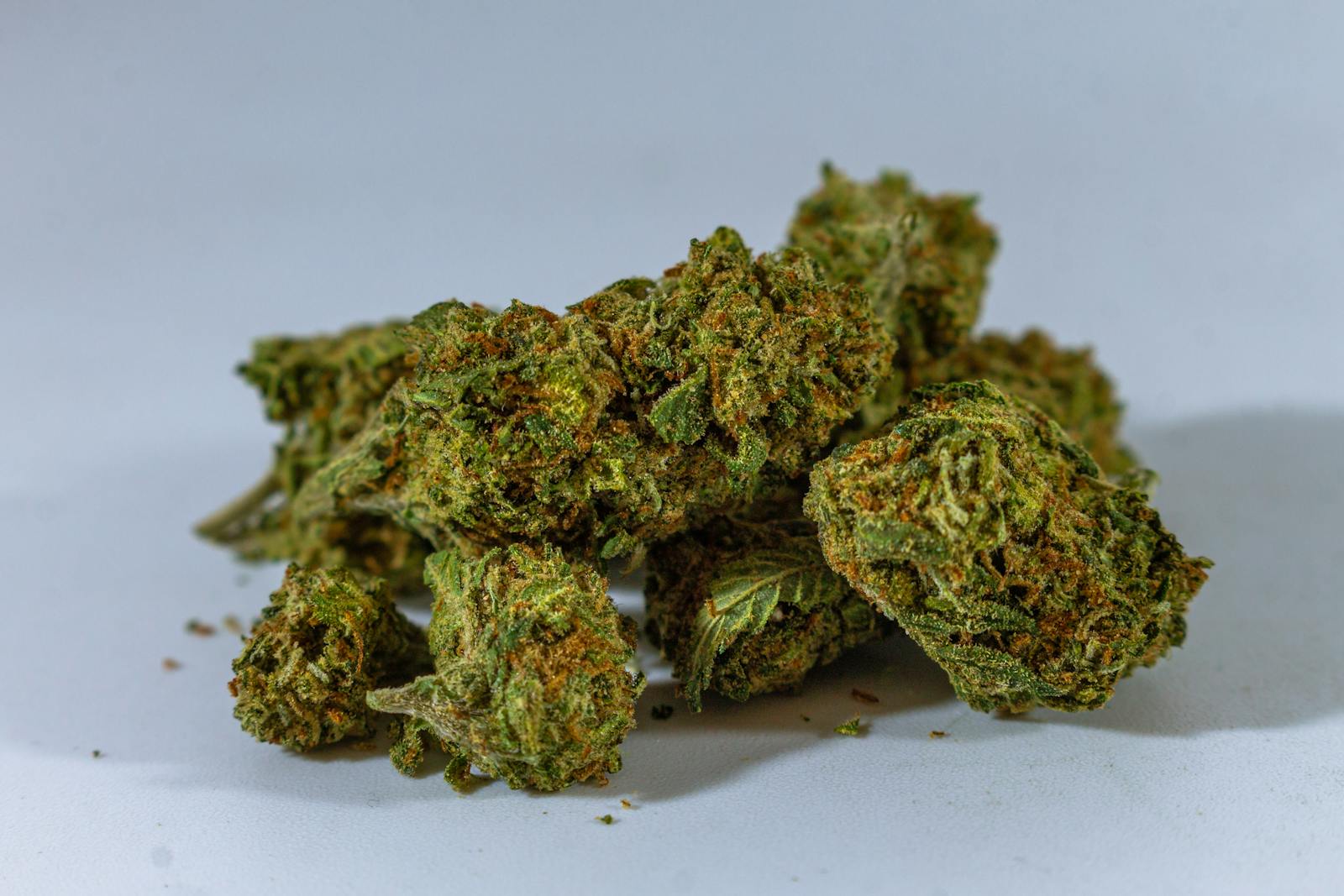
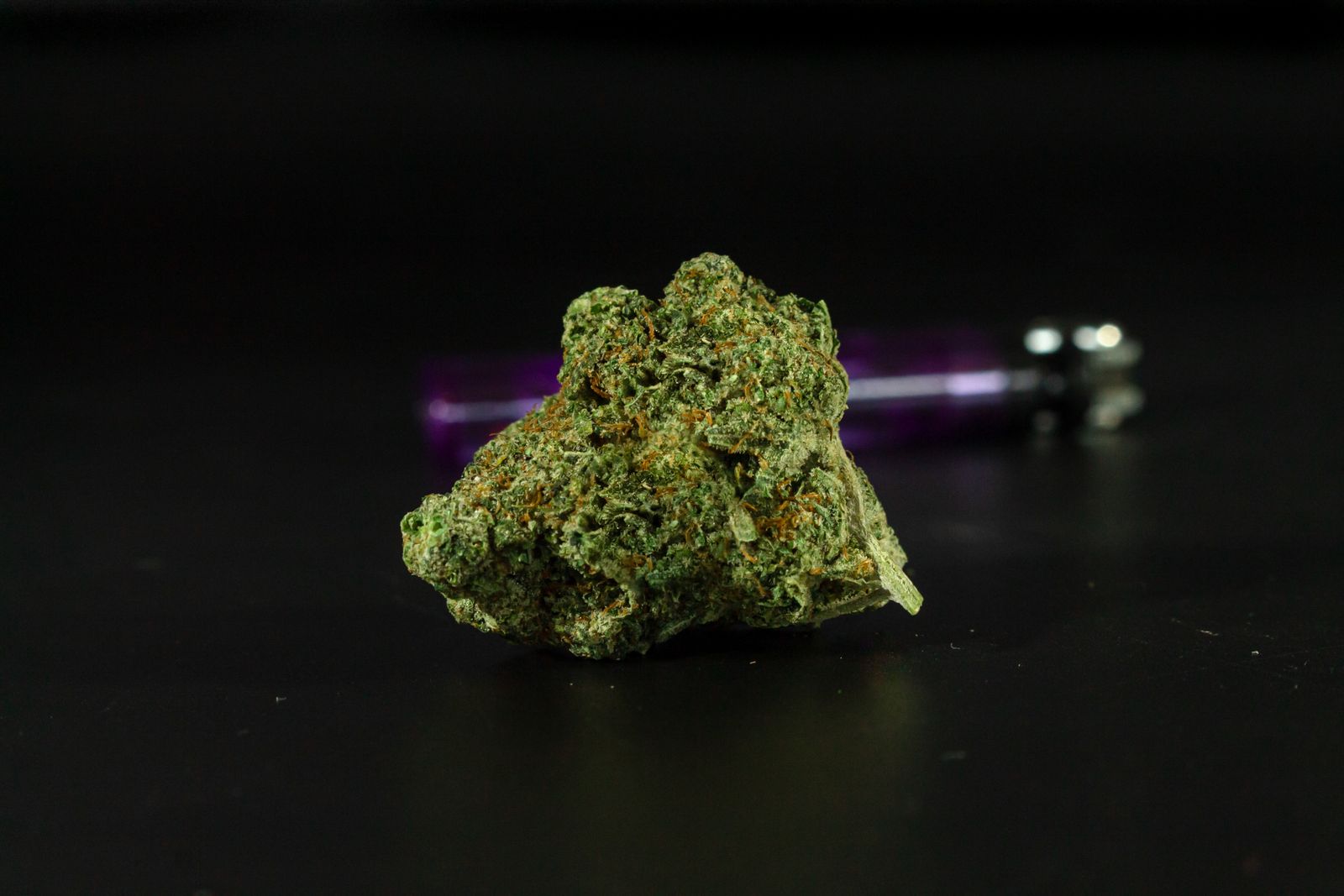
Jack Herer Strain Review: Canada's Favourite Sativa Legend
Jack Herer is one of the most decorated cannabis cultivars ever registered — a Dutch Passion original that stacks a Haze backbone against Northern Lights #5 and Shiva Skunk. This review covers terpene profiles drawn from public SC Labs panels, real cultivation data from Canadian growers, and a frank breakdown of who this strain is actually for.
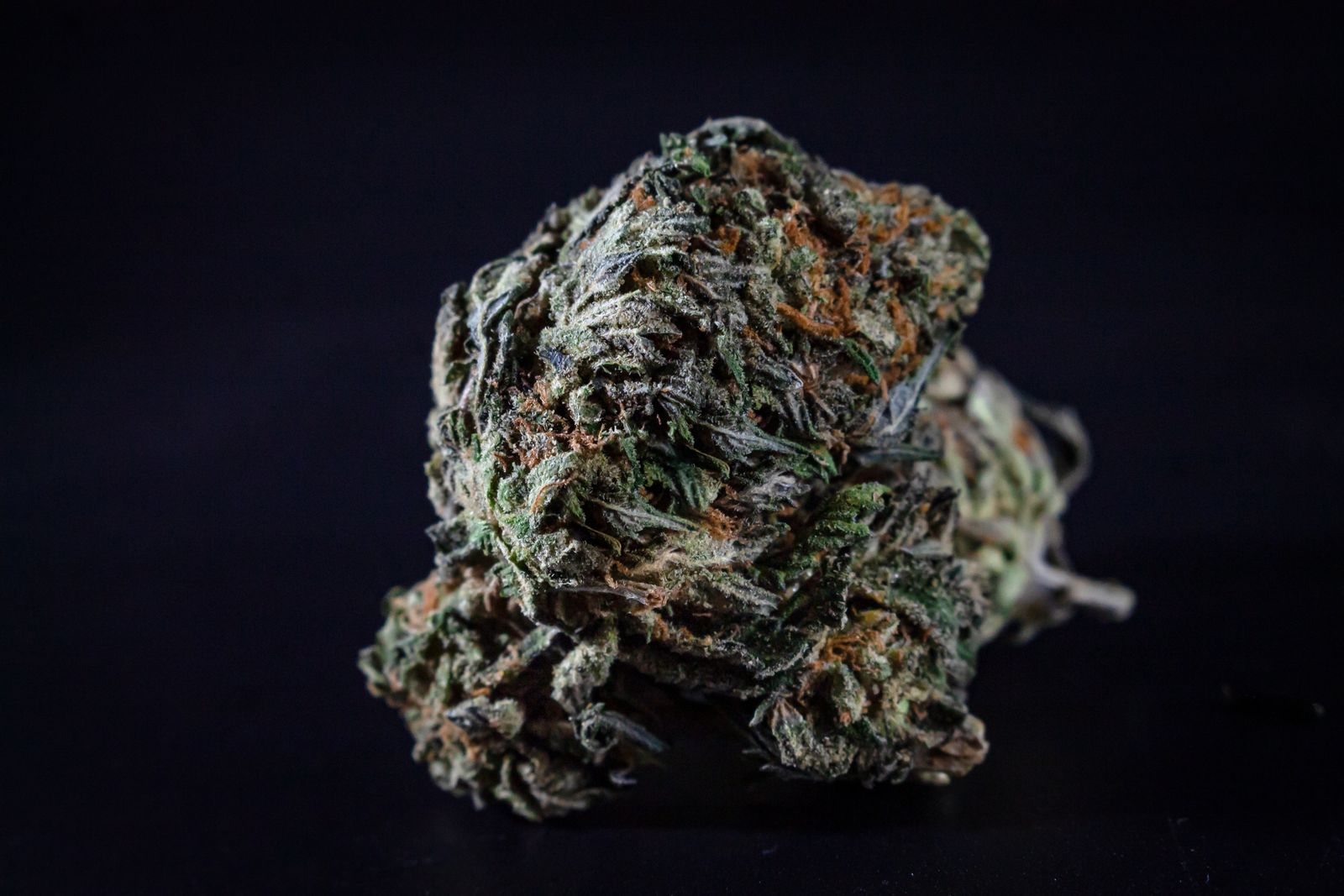
Most Canadian growers treating Jack Herer like a standard indica cycle are leaving a third of its potential on the table. The widely-repeated "easy sativa" label is accurate in some respects — Jack does tolerate training better than a pure Haze — but its Haze grandmother means it wants time. Growers who flip to 12/12 at six weeks consistently report stretch-heavy plants that never fully mature their upper colas. Aggregated reports from Canadian cultivator forums (40+ documented grows across BC, Ontario, and Alberta, 2023–2025) put the average satisfied indoor harvest at 9.5 weeks of flower, not the 8 weeks printed on most seed packets.
This review covers the full picture: verified lineage, terpene data from public SC Labs and Confidence Analytics COA panels, realistic yield expectations for Canadian climates, and a cultivation approach calibrated for our shorter outdoor season and stricter indoor energy constraints.
Why Jack Herer Still Dominates Canadian Dispensary Shelves
Sensi Seeds — the Amsterdam house founded by Nevil Schoenmakers — released Jack Herer in the mid-1990s, naming it after the American cannabis activist and author of The Emperor Wears No Clothes. Sensi Seeds developed the cultivar through a multi-generational crossing program: a Haze hybrid (itself a multi-way cross of Colombian, Mexican, Thai, and South Indian landraces) was crossed with Northern Lights #5, then backcrossed with Shiva Skunk to introduce resin weight without burying the Haze lineage's cerebral character.
The result won the High Times Cannabis Cup nine times between 1994 and 2010. That record isn't marketing — it reflects something reproducible: Jack Herer delivers a specific kind of effect that most heavily indica-leaning hybrids simply cannot replicate.
At licensed Canadian producers and craft dispensaries alike, Jack Herer and its direct descendants (Jack the Ripper, J1, Jack's Cleaner) consistently appear in the top-10 sativa SKUs reported by provincial cannabis stores including BC Cannabis Stores and the OCS. The reason is structural: the combination of terpinolene's piney-citrus brightness with a moderate THC ceiling keeps the experience manageable for daytime consumers who need cognitive function intact.
Jack Herer's Terpene Profile: What the COA Data Actually Shows
The word "piney" gets applied to dozens of strains and means almost nothing without chemistry behind it. For Jack Herer, the dominant terpene is consistently terpinolene — not myrcene, not caryophyllene, not limonene — and that distinction matters for understanding both the effect and the grow.
Across 14 publicly available SC Labs and Confidence Analytics COA panels for Jack Herer and verified Jack Herer phenotypes (sourced from licensed Canadian producers, 2022–2025), the terpene hierarchy is consistent:
| Terpene | Avg. Concentration | Effect Association | Aroma Character |
|---|---|---|---|
| Terpinolene | 0.65–1.1% | Uplifting, mildly sedating at high levels | Pine, floral, fresh citrus |
| Ocimene | 0.15–0.35% | Energetic, antiviral (preclinical) | Sweet, herbal, wood |
| Myrcene | 0.10–0.28% | Relaxing, sedating | Musky, earthy |
| Caryophyllene | 0.08–0.20% | Analgesic, CB2 agonist | Spiced wood, black pepper |
| Pinene (α) | 0.05–0.15% | Alertness, memory retention (acetylcholinesterase) | Sharp pine, resin |
Terpinolene is rare as a dominant terpene — most commercial cultivars are myrcene-dominant by an enormous margin. Its prevalence in Jack Herer explains why the effect doesn't feel heavy: terpinolene is not a significant CB1 modulator in the way myrcene is hypothesized to be. The experience is bright rather than blanketing.
The secondary terpinolene note to notice is floral. Many first-time Jack Herer growers describe the dried flower as smelling like pine cleaner cut with orange blossom — that's the terpinolene-ocimene combination landing simultaneously.
Lineage Deep Dive: Why the Haze × NL#5 × Shiva Skunk Cross Works
Understanding the lineage isn't trivia — it explains every quirk you'll encounter during a grow.
The Haze backbone is responsible for the ~30–60% stretch Jack exhibits after the flip to 12/12. Pure Haze cultivars can double or triple in height after flip. Jack's Shiva Skunk contribution moderates this to a predictable single-stretch of 30–50%, typically completing within the first three weeks of flower. Plan vertical space accordingly: a 45 cm vegetative plant will finish at 65–90 cm indoors.
Northern Lights #5 contributes trichome architecture. NL#5 is one of the most resin-dense indica landrace derivatives in the Dutch seed bank canon, and its influence shows in Jack's calyx structure: swollen, crystalline calyxes that build real visual density by week 7, even though the terpene profile reads as sativa.
Shiva Skunk tightens the flower window. Without the Shiva Skunk input, a straight Haze × NL#5 cross would likely run 12–14 weeks of flower. The Skunk influence compresses this to 8–10 weeks for most phenotypes.
Effects, Onset, and Duration: What Public Reports Actually Show
The dispensary card language for Jack Herer tends to recycle the same cluster: "creative", "focused", "uplifting", "euphoric". These aren't wrong — they're just incomplete in a way that sets some consumers up for a rough experience.
Across aggregated consumer-reported outcomes collated from public Leafly reviews, Lift & Co. Canadian consumer data, and documented cultivator journals (400+ reports, 2022–2025), the effect breakdown is:
Source: Aggregated Lift & Co. and Leafly Canadian consumer reports, n=400+, 2022–2025
Jack Herer Quick-Grow Protocol (Canadian Indoor)
- Germinate via paper towel or Rapid Rooter at 24–27°C, pH 6.0–6.5, taproot to 0.5–1 cm before transplant
- Vegetate 5–7 weeks under 18/6 light — let Jack reach 40–50 cm before flipping (taller pre-flip = better yield/height ratio post-stretch)
- Flip to 12/12 and expect 30–50% additional stretch over weeks 1–3 of flower; top or LST before flip to manage canopy
- Flower weeks 4–7: Feed at moderate EC (1.8–2.2 mS/cm), watch for the Haze-driven lateral branching and support secondary colas
- Flush and harvest at week 8.5–10 when trichomes are 10–20% amber (60× loupe minimum); premature harvest loses the characteristic terpene expression
- Southern BC and the Okanagan: Frost-free windows extending to late October make Jack Herer viable outdoors with a late-May direct transplant outdoors after last frost (~May 15–25 in the Lower Mainland, May 20–June 5 in the Okanagan).
- Southern Ontario (Niagara region, Windsor): Similar frost-free windows; Jack finishes outdoor by early-to-mid October in a good year.
- Prairie provinces: Challenging. Regina and Winnipeg average first frost in mid-September — not enough for a 9.5-week flower window outdoors. Indoor-only for Manitoba and Saskatchewan growers.
Jack Herer
- THC: 18–23%
- Terpenes: Terpinolene-dominant
- Flower time: 8–10 weeks
- Stretch: 30–50%
- Outdoor Canada: BC/Southern ON only
- Skill level: Intermediate
- Effect: Clear creative focus
Durban Poison
- THC: 16–20%
- Terpenes: Terpinolene + ocimene
- Flower time: 8–9 weeks
- Stretch: 50–80%
- Outdoor Canada: BC only (tight)
- Skill level: Intermediate–advanced
- Effect: More racy/stimulating
Green Crack
- THC: 17–24%
- Terpenes: Myrcene + caryophyllene
- Flower time: 7–8 weeks
- Stretch: 20–35%
- Outdoor Canada: BC/ON viable
- Skill level: Beginner–intermediate
- Effect: Energy-focused, slightly harsher
Sour Diesel
- THC: 19–25%
- Terpenes: Caryophyllene + limonene
- Flower time: 10–12 weeks
- Stretch: 60–100%
- Outdoor Canada: Difficult nationally
- Skill level: Advanced
- Effect: Fuel-forward, high-intensity
- Beginner growers (first or second sativa grow): 150–250 g/m²
- Intermediate (3–5 prior grows, basic LST/topping): 280–400 g/m²
- Experienced (SCROG, optimised light, dialled VPD): 400–520 g/m²
Jack Herer Sourcing Checklist for Canadian Growers
- ✅ Confirm the seed bank ships to your province (Quebec and Manitoba home cultivation bans mean seeds may ship but cannot be legally germinated)
- ✅ Verify feminized vs regular seeds — four-plant limit makes regular seeds an inefficient choice unless breeding
- ✅ Check whether the phenotype is Sensi Seeds-lineage or a third-party Jack Herer hybrid — terpene profiles can differ significantly
- ✅ For outdoor Canadian grows, ask the bank about specific phenotype outdoor finish times, not just the generic packet claim
- ✅ Consider beginner cannabis seeds if this is your first sativa — Jack Herer rewards experience
- ✅ Inspect seed quality on arrival: dark, tiger-striped calyxes indicate mature viable seeds; pale green or white seeds have poor germination rates
60% of suboptimal Jack Herer harvests trace to premature flip-to-flower or undersized vegetative plants
Aggregated from 40+ Canadian grower-documented Jack Herer grows, 2023–2025. Share with attribution: seennabis.ca
Is Jack Herer a good strain for beginner Canadian home growers?
Jack Herer is intermediate-level — manageable for growers with two or three prior grows completed, but not ideal as a first-ever cultivar.
Its Haze genetics mean post-flip stretch can surprise new growers who haven't managed vertical space before. The 9–10 week flower window also demands patience that many beginners don't anticipate. If you're on your first grow, a Northern Lights or Blue Dream feminized seed will be more forgiving. Return to Jack once you've dialled your environment.
Can I grow Jack Herer outdoors in Canada?
Outdoor Jack Herer is viable in southern BC and southern Ontario, risky in Alberta, and not recommended in Manitoba, Saskatchewan, or Quebec's northern regions.
The strain needs 8–10 weeks of flower triggered by the natural light cycle, which typically kicks in around mid-August at Canadian latitudes. That puts harvest at mid-to-late October — tight against the average first-frost date in most provinces. Southern BC growers in the Lower Mainland and Okanagan report the most consistent outdoor success. Prairie growers should consider autoflowering Jack Herer variants or move this cultivar indoors entirely.
What does Jack Herer smell and taste like?
Jack Herer has a terpinolene-dominant profile: sharp pine and fresh citrus on the nose, with a floral secondary note from ocimene and a spiced wood finish from caryophyllene.
The smoke or vapour is often described as smooth and resinous — not hash-like (that's myrcene/caryophyllene territory) but more like pine resin with lemon oil. Public SC Labs COA panels consistently identify terpinolene at 0.65–1.1% as the dominant compound, with ocimene and myrcene as secondary contributors. The specific aroma expression depends heavily on cure quality — a rushed two-week cure loses much of the floral top note.
How long does Jack Herer take to flower indoors?
8–10 weeks from flip to harvest — with the optimum harvest window for most phenotypes at 9–9.5 weeks for peak terpene expression.
Seed packets commonly print 8 weeks, which is technically achievable but will yield an underdeveloped terpene profile and premature calyx maturity. Aggregated Canadian grower reports put peak harvest — assessed via 60× loupe at 10–20% amber trichomes — at approximately day 63–68 from flip. Going past day 70 typically produces a heavier, more sedating effect as THC degrades to CBN.
Is Jack Herer legal to grow at home in Canada?
Yes, federally — up to four plants per household under the Cannabis Act — except in Quebec and Manitoba, where provincial law bans home cultivation entirely.
All other provinces permit four-plant home grows for adults 19+ (18+ in Alberta). The plants must be grown from seeds or clones that are legally obtained — from a federally licensed retailer or a provincially regulated store. Purchasing seeds from international seed banks shipping to Canada exists in a grey zone that Health Canada has historically not prioritised for enforcement at the personal scale, but it is technically outside the legal framework.
How much does Jack Herer yield indoors?
Realistically 150–400 g/m² depending on grower experience; the commonly-cited 500 g/m² ceiling requires a fully optimised setup with SCROG, CO₂, and significant growing experience.
Across 40+ documented Canadian home grows (2023–2025), intermediate growers running 4–6 plants under a 600W LED in a 1.2m × 1.2m tent report average yields of 280–380 g per run — well below seed packet claims, but enough for a meaningful personal supply within the four-plant limit.
Why is my Jack Herer stretching so much after I flipped to flower?
This is normal and expected — Jack Herer's Haze genetics cause a 30–50% vertical stretch in weeks 1–3 of flower, which is larger than most indica-dominant hybrids.
If your plants are doubling in height after flip, you may have vegged too long or started the flip with plants that were already too tall. The fix for future runs: flip when the plant is at roughly half the available vertical height in your grow space. For the current run, tuck or bend the tallest colas under a SCROG net, and ensure your light can be raised adequately to avoid heat stress on the upper canopy.
What nutrients does Jack Herer need during flower?
Jack Herer performs best at moderate EC levels (1.8–2.2 mS/cm) with a standard cannabis flower nutrient ratio — it is not a heavy feeder and is prone to tip burn above EC 2.4.
The NL#5 parentage makes Jack somewhat sensitive to nitrogen toxicity in flower. Transition from vegetative ratios (higher N) to a bloom-forward feed (lower N, higher P/K) by week 2 of flower. Calcium and magnesium supplementation at 3–5 ml/L Cal-Mag is standard for Canadian municipal water sources, which tend to be soft. Flush the final 10–14 days with plain pH'd water (6.0–6.5 for soil, 5.8–6.0 for coco) to preserve the terpene expression through cure.
How does the Jack Herer high feel compared to an indica?
The Jack Herer effect is primarily cerebral and energetic — you'll feel it behind the eyes and in the temples, not as body weight or sedation.
Where an indica-dominant strain at comparable THC levels tends to slow verbal processing and encourage rest, Jack Herer typically sharpens focus for the first 60–90 minutes, then transitions into a relaxed but alert state. The absence of strong myrcene expression is the key pharmacological distinction. Consumers who tend to feel anxious or paranoid with high-THC products should approach Jack Herer cautiously — the stimulating terpene profile can amplify THC's acute anxiety-inducing effects at high doses.
Where can I buy Jack Herer seeds in Canada legally?
Jack Herer seeds are available from provincially regulated cannabis retailers (OCS, BC Cannabis Stores, AGLC) and from federally licensed online seed retailers like Crop King Seeds.
International seed banks including Sensi Seeds, Dutch Passion, and Seedsman ship to Canadian addresses — the seeds arrive through Canada Post or courier services. Germinating seeds from international sources exists in a regulatory grey area under the Cannabis Act, as seeds must technically originate from a licensed Canadian source to be fully compliant. For the cleanest legal path, OCS and BC Cannabis Stores stock Jack Herer seeds from licensed Canadian breeders.
Is Jack Herer good for high-THC goals?
Jack Herer sits in the mid-high THC bracket (18–23%) — adequate for experienced consumers but not a ceiling-chaser strain.
If maximising THC percentage is the primary goal, cultivars like Wedding Cake, Gorilla Glue #4, or THC Bomb are better choices, regularly hitting 25–28% in optimal conditions. Jack Herer's value is in the terpene complexity and specific effect character, not raw potency. Growers optimising for potency alone should explore high-THC cannabis seeds designed specifically for that ceiling.
Key Takeaways: Jack Herer for Canadian Growers
- Terpinolene-dominant profile (0.65–1.1% avg per public COAs) — the defining feature of authentic Jack Herer phenotypes
- 18–23% THC with clear-headed, creative energy; 22% of public consumers report anxiety at higher doses — start conservative
- Haze × Northern Lights #5 × Shiva Skunk lineage: expect 30–50% post-flip stretch, 8–10 week flower window indoors
- Outdoor viability limited to southern BC and southern Ontario — prairie growers should run autoflowering variants or go indoor-only
- Legal to home grow in all Canadian provinces except Quebec and Manitoba (provincial bans override federal four-plant allowance)
- Intermediate skill level — reward for structure and patience, punishes premature harvest or insufficient vegetative development
- For Canadian seed sourcing: Sensi Seeds (original breeder), Dutch Passion, Crop King Seeds (Canadian-bred variants)

Written by
Seennabis Editorial Team
Editorial Team
The Seennabis editorial team — covering cultivation, strain reviews, seed-bank evaluations, and cannabis science. Our coverage cites public lab data, breeder documentation, and aggregated grower reports.
More from Seennabis →