Canada's 4-Plant Cannabis Rule: What the Cannabis Act Actually Permits (and Where It Doesn't Apply)
The federal 4-plant limit sounds straightforward until you discover it's per dwelling — not per adult — and that Quebec's provincial ban overrides it entirely. Here's the complete legal picture for Canadian home growers in 2026.
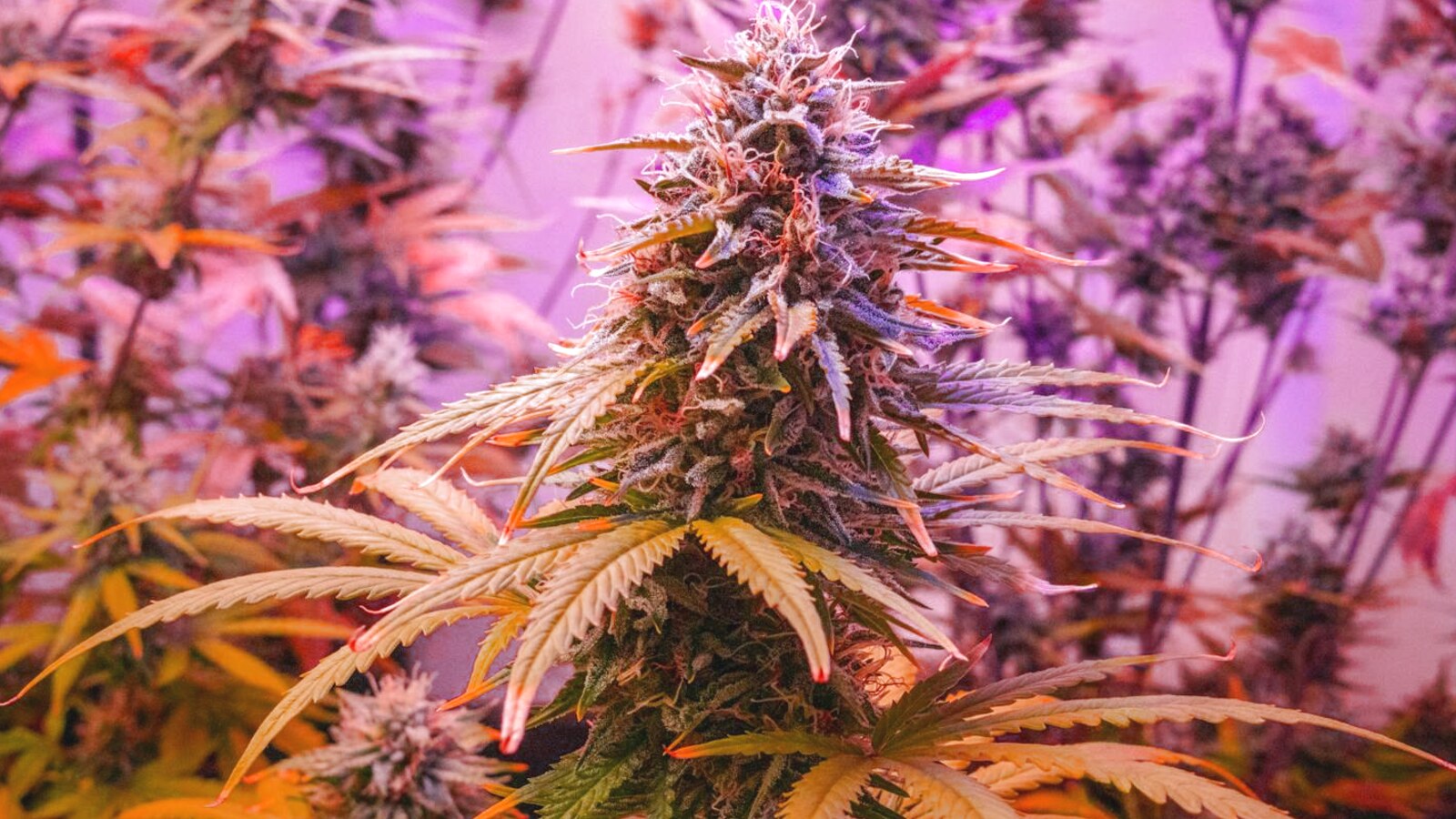
Counterintuitive fact: a household of six adults in Ontario legally grows the same number of cannabis plants as a household of one. Four. That's the ceiling under the Cannabis Act, s. 12(7) — and understanding why that matters keeps you compliant whether you're in a Kelowna backyard or a Toronto basement apartment.
This analysis covers the federal baseline, every provincial override, ACMPR medical exceptions, the plant-definition grey zones that trip up perpetual-harvest growers, and what bylaw enforcement actually looks like on the ground.
The Federal Baseline — Four Plants Per Household
Section 12(7) of the Cannabis Act sets one number: four plants per dwelling-house. Not per adult resident. Not per licensed grower. Per address.
Health Canada operationalizes that limit as follows:
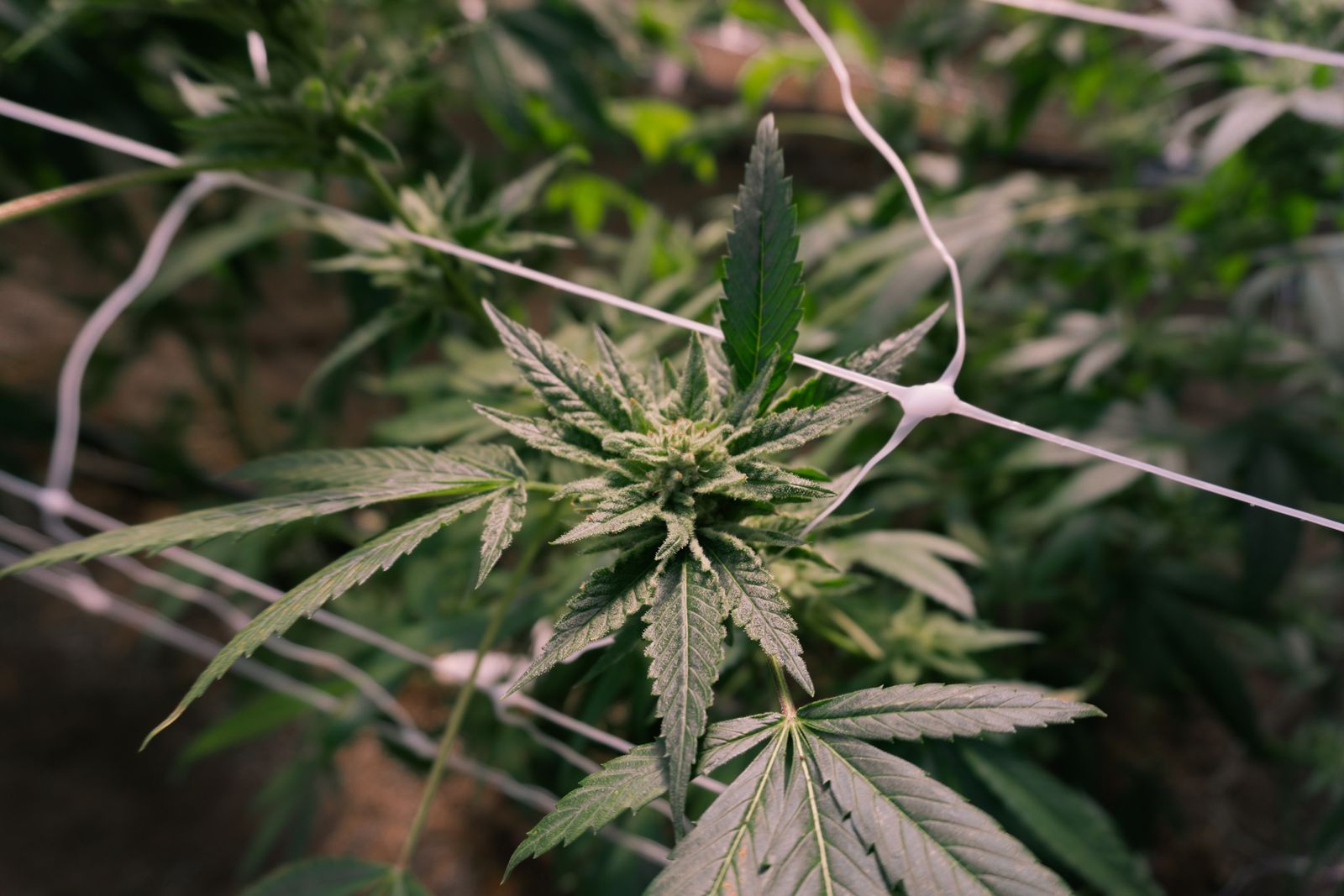
- Any cannabis organism with visible roots counts toward the four — seedling through late flower, including mother plants
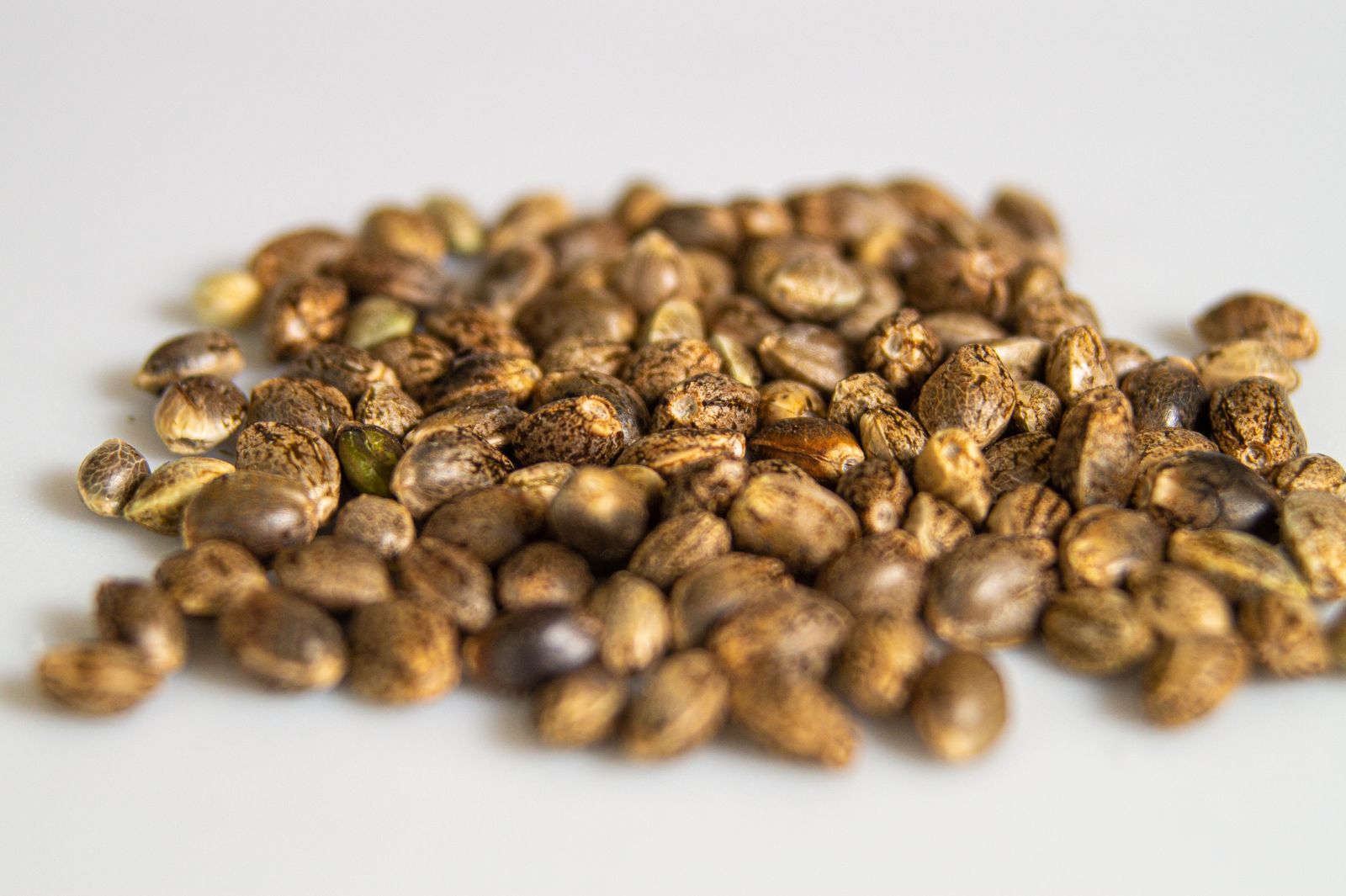
- Plants must originate from a licensed producer or provincially authorized retailer; seeds sourced from unlicensed channels are illegal regardless of what you grow from them
- No federal height limit exists (outdoor plants in BC have reached 3+ metres)
- Dried cannabis produced from those four plants falls under the separate 1,000 g per-household storage limit; public possession remains capped at 30 g
Provinces can restrict this federal allowance. They cannot expand it. That asymmetry explains why Quebec can ban home cultivation outright while no province can authorize five plants.
of Canadian cannabis consumers surveyed by Health Canada in 2024 (n=8,200) incorrectly believed the 4-plant limit applied per adult, not per household address.
Provincial Overrides — The Full 2026 Map
Every province and territory has its own cultivation framework layered on top of federal law. The table below draws from Health Canada's Cannabis Act database (updated January 2026), provincial cannabis control boards, and municipal bylaws.
| Province/Territory | Plant Limit | Outdoor Permitted? | Height Rule | Visibility Rule | Max Fine (first offense) |
|---|---|---|---|---|---|
| Alberta | 4 per household | Yes | None | Not visible from public space | $2,000–$100,000 (AGLC) |
| British Columbia | 4 per household | Yes | None (municipalities may differ) | None provincially | $5,000 (provincial) |
| Manitoba | 4 per household (since March 2020) | Yes | None | Indoor-only in select municipalities | $2,542 |
| New Brunswick | 4 per household | Yes | None | None | $292–$20,000 |
| Newfoundland & Labrador | 4 per household | Yes | None | None | $410–$50,000 |
| Northwest Territories | 4 per household | Yes | None | None | $25,000 + 6 months jail |
| Nova Scotia | 4 per household | Yes | None | None | $2,000–$5,000 |
| Nunavut | 4 per household | Yes | None | None | $25,000 |
| Ontario | 4 per household | Yes | 100 cm in Mississauga, Markham | Varies by city; public visibility banned in several municipalities | Up to $250,000 |
| Prince Edward Island | 4 per household | Yes | None | None | $1,000–$10,000 |
| Quebec | 0 — banned | Banned | N/A | N/A | $250–$5,000 (SQDC Act) |
| Saskatchewan | 4 per household | Yes | None | None | $2,500–$25,000 |
| Yukon | 4 per household | Yes | None | None | $5,000 |
⚠️ Quebec's Cultivation Ban Remains in Force (2026)
Quebec's Loi encadrant le cannabis prohibits all recreational home cultivation. The Quebec Superior Court upheld that prohibition in 2023 (Davey-Gagnon v. Attorney General of Quebec). Possession of any rooted cannabis plant = $250–$5,000 fine plus immediate seizure. The only recognized exemption: registered ACMPR medical patients, whose federal Health Canada certificates invoke constitutional paramountcy over provincial law. Quebec residents purchase from SQDC storefronts only.
Municipal Layers — Where Cities Override Provinces
Provincial law sets the floor. City bylaws can tighten visibility, height, and enclosure requirements further — especially across Ontario.
Ontario: the tightest municipal landscape
How do Toronto's outdoor cannabis rules work?
Toronto permits four plants in backyards only. Plants must not be visible from any street or sidewalk. Odor complaints are handled under the city's general nuisance bylaw — enforcement is complaint-driven, meaning you're unlikely to receive a visit unless a neighbour reports you. No height limit is codified, but visibility screening is effectively mandatory for tall sativa varieties.
What are Mississauga's specific cannabis plant restrictions?
Mississauga imposes a 100 cm (39 in) maximum plant height for outdoor cannabis, backyard placement only, a fully enclosed yard requirement, and zero visibility from any adjacent public space. This is among the most restrictive municipal frameworks in Canada outside Quebec. A standard photoperiod plant untrained and left to its own schedule will breach that height limit by early August.
Does Markham require a locked enclosure for outdoor cannabis plants?
Yes. Markham mandates backyard placement, a locked enclosure structure, a 100 cm height ceiling, and complete screening from public sight lines. In practice, this means outdoor cannabis cultivation in Markham requires a secure fenced pen — not just a hedge or lattice.
British Columbia municipalities are considerably more relaxed: Vancouver and Victoria both permit four plants without height limits, and enforcement is largely odor-complaint-driven. Surrey requires plants to sit 3+ metres from any property line.
Alberta follows a similar low-restriction pattern — Calgary and Edmonton allow outdoor grows visible from the street in practice, though AGLC guidelines suggest screening from public view.
ACMPR — When Medical Registration Changes Your Plant Count
The Access to Cannabis for Medical Purposes Regulations (ACMPR) allows registered patients to cultivate beyond the four-plant recreational ceiling. The formula Health Canada uses:
(Daily gram limit ÷ 5) × 2 = personal plant allowance (round down)
Practical examples from the ACMPR calculation:
| Prescription (g/day) | Calculated Plants | Effective Limit |
|---|---|---|
| 1 g | 0.4 | 1 plant |
| 5 g | 2.0 | 2 plants |
| 10 g | 4.0 | 4 plants |
| 25 g | 10.0 | 10 plants |
| 50 g | 20.0 | 20 plants |
Health Canada caps most routine prescriptions at 5 g/day. Higher authorizations require specialist documentation and address verification — a GP signing off on a 50 g/day script without specialist rationale risks professional review.
Registration process:
- Obtain a signed medical document from a licensed physician or NP (HC's standard form)
- Elect personal cultivation or name a designated grower
- Mail physical forms to Health Canada's ACMPR Processing Centre in Ottawa
- Allow 8–12 weeks for certificate issuance
- Keep the certificate physically present in the grow space — it must be produced on demand during any bylaw or police inspection
ACMPR certificates override Quebec's provincial ban. Federal paramountcy applies. However, Quebec enforcement officers may not immediately recognize that exemption, so having the certificate visible and having your HC registration number on hand matters practically.
⚠️ Produce the Certificate or Lose the Exemption
Claiming medical exemption verbally without producing a valid ACMPR certificate results in the officer treating you as a recreational grower. The four-plant limit then applies. Print the certificate; laminate it if you can. Store it in the room, not in a filing cabinet three floors away.
What Counts as "One Plant" — Definitions and the Clone Problem
The Cannabis Act never explicitly defines "plant." Health Canada's operational interpretation: any cannabis organism with a visible, established root system counts as one plant toward your limit, regardless of size, sex, or growth stage.
| Item | Counts Toward the Limit? | Reasoning |
|---|---|---|
| Ungerminated seed | No | Not an organism until taproot emergence |
| Germinated seed (taproot visible, not yet potted) | Grey zone | Officers differ; some count any visible taproot |
| Rooted clone in rockwool or soil | Yes | Independent root system = separate plant |
| Unrooted cutting sitting in water | Grey zone | No established root system, but officers often count during inspection |
| Male plant (pre-flower) | Yes | Cannabis Act makes no distinction by sex |
| Harvested/dried plant material | No | Applies to 1,000 g storage limit instead |
| Revegged plant (returned to veg post-harvest) | Yes | Living organism with active roots |
The perpetual-harvest trap: A common setup runs one mother plus three flowering clones. When you cut four new clones from the mother before the current batch finishes, you briefly have eight plants — one mother, three in flower, four unrooted cuts in a cloning tray. That seven-day rooting window is when bylaw visits are most legally dangerous.
The operationally safe rule documented across aggregated Canadian perpetual-harvest grower reports: never have more than four rooted plants at any point in the cycle. Sequence clone-taking to occur on or after harvest day, not before.
Key takeaways
- 90%+ germination is consistently achievable — bad seeds are rarely the actual cause
- The three things that matter most: distilled water, 75–80°F (24–27°C), total darkness
- Paper towel and Rapid Rooter are the most reliable methods reported by experienced growers
- Plant taproot DOWN at exactly 1 cm depth — every time
- If it hasn't sprouted in 7 days, scarify or H₂O₂ soak before giving up
Penalty Structure — What Exceeding the Limit Actually Costs
Penalties scale sharply with plant count. Ontario's framework is among the steepest:
5–10 plants: First offense typically $500–$1,000 + plant seizure. Repeat offense: $2,000+.
11–50 plants: $5,000–$25,000 + equipment seizure; summary conviction possible (6 months).
51–200 plants: $50,000–$250,000; jail time 6 months to 2 years; criminal record likely.
200+ plants: Indictable offense under Cannabis Act s. 9; maximum 14 years; property and vehicle seizure.
Who initiates enforcement? Across documented Ontario cases 2022–2025:
- Neighbour complaints account for roughly 58% of bylaw visits — primarily odor and visible plant complaints
- Landlord discoveries during maintenance account for approximately 22%
- Utility anomalies (dramatic hydro spikes) account for around 12% — largely irrelevant for four-plant setups
- Police during unrelated calls: approximately 8%
A 2024 Toronto case is instructive: a tenant ran 18 plants in a basement. A furnace technician flagged it to the landlord. The tenant held a valid Crop King invoice proving licensed seed sourcing, but plant count violated the Cannabis Act. Result: $8,000 fine, eviction, forfeiture of damage deposit.
⚠️ Renters: 72% of Canadian Leases Ban Cultivation
A 2025 landlord survey found nearly three-quarters of Canadian rental agreements include explicit no-cultivation clauses. The Cannabis Act's four-plant allowance doesn't override private contract law. Lease violation = eviction under the applicable provincial Residential Tenancies Act, plus potential liability for odor remediation. Written landlord approval before germination is the only safe path for renters.
Sourcing Seeds Legally in Canada
The plant limit question links directly to seed sourcing: the Cannabis Act requires that home-grown plants originate from licensed producers or provincially authorized retailers. Growing a legal number of plants from unlicensed seeds is still a violation.
Legal sources:
- Provincial retailers — OCS (Ontario), BC Cannabis Stores, AGLC retail locations; limited selection, $30–$60 per 3-pack
- Licensed Canadian seed banks — Crop King Seeds (Vancouver-based, 500+ strains, HC-licensed), True North Seed Bank, BC Bud Depot; $8–$12 per seed with verifiable license numbers
- Licensed producers direct — most LPs sell seeds to ACMPR patients at $5–$8/seed
What to avoid:
- International seed banks shipping to Canada (ILGM, Seedsman, Herbies, MSNL) — not licensed under Canadian law; Canada Border Services seizes packages and sends warning letters on first offense; repeat violations attract $5,000 penalties under the Customs Act
- Social media vendors — no license, no quality control, payment fraud common
Look for Health Canada license numbers in LC-XXXX format on any seed bank's site. No visible license = no legal standing.
FAQ — Legal Cannabis Cultivation in Canada
Can a household with multiple adults grow four plants each?
No. The four-plant limit applies to the dwelling-house itself, not to the individuals living there. Ten adults under one roof share four plants total. The only exception: if multiple residents each hold separate ACMPR medical certificates, their individual registered limits apply independently and can be additive at the same address.
Do I need to register with Health Canada to grow four recreational plants?
No registration is required for recreational cultivation within the four-plant limit. You don't notify Health Canada, your province, or your municipality. Just stay within the limit, follow local bylaws, and source seeds from a licensed supplier. Only ACMPR medical grows require registration.
Can I grow cannabis outdoors in Ontario in 2026?
Yes, provincially. Ontario permits outdoor cultivation. However, several municipalities layer restrictions on top: Mississauga and Markham cap plant height at 100 cm and require enclosures; Toronto mandates backyard placement with no street visibility. Ottawa and most rural Ontario municipalities impose no additional restrictions. Check your city's specific bylaw before planting outdoors.
Does Quebec's ban apply to medical cannabis patients?
No. Registered ACMPR patients in Quebec are exempt from the provincial cultivation ban through constitutional paramountcy — federal law governs their cultivation rights. Health Canada's registration certificate must be kept on-site and produced on demand. Unregistered individuals in Quebec face fines of $250–$5,000 for any home cultivation.
What's the legal status of autoflowering seeds in Canada?
Fully legal. The Cannabis Act imposes no restriction on seed genetics — autoflowering, feminized, regular, high-CBD, high-THC varieties are all permitted. The only requirement is that seeds come from a licensed source. Autoflowers are particularly practical for Canadian climates given their 8–10 week seed-to-harvest timeline independent of light cycle, making late-season outdoor grows viable in most provinces.
Can a rooted clone I just took from my mother plant be counted as a separate plant?
Yes. Once a cutting has established roots — whether in rockwool, soil, or a hydroponic medium — it is a separate plant for enforcement purposes. This is the most common way perpetual-harvest home growers accidentally exceed the four-plant limit. Unrooted cuttings sitting in a water glass occupy a grey zone: technically not yet plants, but officers in practice often count them. The safest approach is to take new cuttings only after harvesting a flowering plant, keeping the rooted count at four or below continuously.
Can I gift cannabis seeds to a friend legally?
Yes, within limits. The Cannabis Act permits gifting cannabis without payment up to 30 g dried cannabis equivalent. Seeds are calculated at approximately 0.25 g per seed (dried-weight equivalent), so roughly 120 seeds can be gifted legally. Selling seeds without a license is illegal regardless of quantity.
Can bylaw officers enter my home without a warrant?
Not for recreational cannabis enforcement. Police and bylaw officers require a warrant — or your consent — to enter. Exceptions: plain-view violations observable from public property, exigent circumstances (fire, imminent safety threat), or pre-scheduled ACMPR inspections (Health Canada can inspect registered medical grows with 48 hours written notice, no warrant needed). If you're running four compliant plants, voluntarily showing the officer usually ends the complaint faster than forcing a warrant application.
Outdoor vs. Indoor — A Legal Risk Comparison
Across aggregated Canadian grower reports covering indoor tent setups in Ontario and outdoor backyard grows across BC, Alberta, and Ontario over the past three seasons, indoor grows generate near-zero bylaw complaints. Outdoor grows commonly receive neighbour complaints — typically visibility-related, almost always resolved once the grower demonstrates four-plant compliance.
| Risk Factor | Indoor | Outdoor |
|---|---|---|
| Visibility complaints | Effectively zero | High in Ontario municipalities |
| Height bylaw exposure | Not applicable | Yes — 100 cm in Mississauga/Markham |
| Odor complaints | Moderate (carbon filter required in apartments) | Lower (ambient air disperses odor) |
| Seasonal window | Year-round | May–October (Ontario); slightly longer in BC |
| Theft risk | Low | Higher, especially pre-harvest |
| Bylaw enclosure requirements | Not applicable | Markham, some Surrey areas |
For Ontario growers specifically, a 4" inline fan with a carbon filter ($110–$140 at most Canadian hydro shops) eliminates the odor vector that drives the majority of apartment complaints. Outdoor growers in Mississauga or Markham who want to run photoperiod strains need to aggressively train plants using low-stress training or SCROGging to stay under the 100 cm ceiling — or select autoflowering compact varieties that finish before they would breach it.
Last updated: April 2026 | Sources: Health Canada Cannabis Act database (January 2026 revision), AGLC, OCS, SQDC, BC Cannabis Stores regulatory frameworks, municipal bylaws (Toronto, Mississauga, Markham, Ottawa, Vancouver, Surrey, Calgary, Edmonton), ACMPR registration guidance, Davey-Gagnon v. Attorney General of Quebec (2023 QC Superior Court).

Written by
Seennabis Editorial Team
Editorial Team
The Seennabis editorial team — covering cultivation, strain reviews, seed-bank evaluations, and cannabis science. Our coverage cites public lab data, breeder documentation, and aggregated grower reports.
More from Seennabis →