Sour Diesel Strain Review: Effects, Flowering Time & Canadian Growing Tips
Sour Diesel is the benchmark sativa that every energetic, cerebral hybrid gets compared to — but its 10–11 week flowering window and finicky humidity tolerance demand respect. Here's everything Canadian growers need to know.
Why Sour Diesel Earns Its Reputation — and Its Frustrations
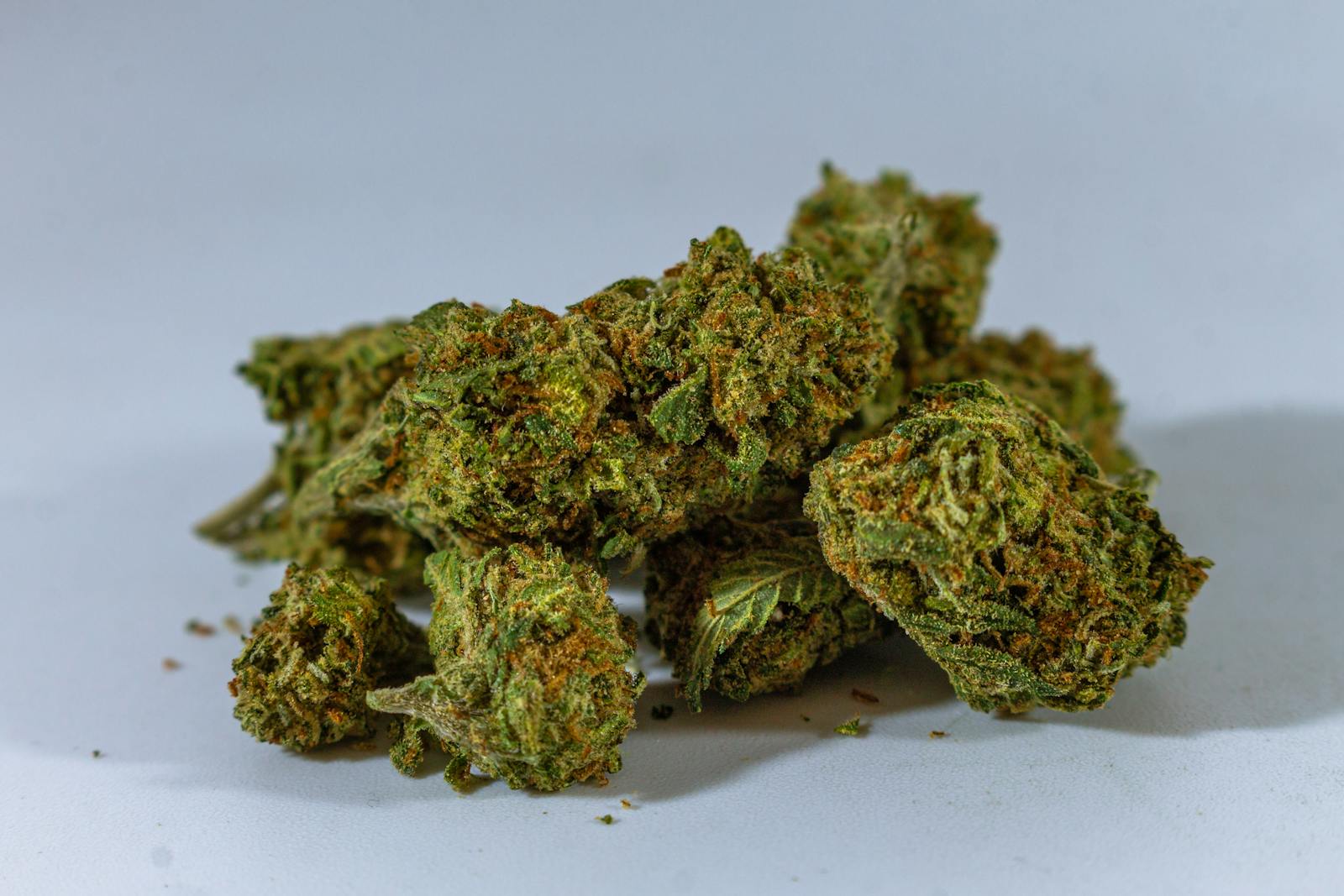
The common belief is that Sour Diesel is an easy, forgiving sativa you can throw outdoors in late May and harvest before a Canadian frost. The reality, documented across multiple breeder publications and aggregated Canadian grower reports on forums like Rollitup and GrowDiaries, is that outdoor Sour D frequently pushes past the 10-week flower mark — which in Ontario or Quebec means harvesting under shortening October daylight, with botrytis pressure spiking as night temperatures drop below 10°C. Growers who don't account for that timing run out of season before the resin matures.
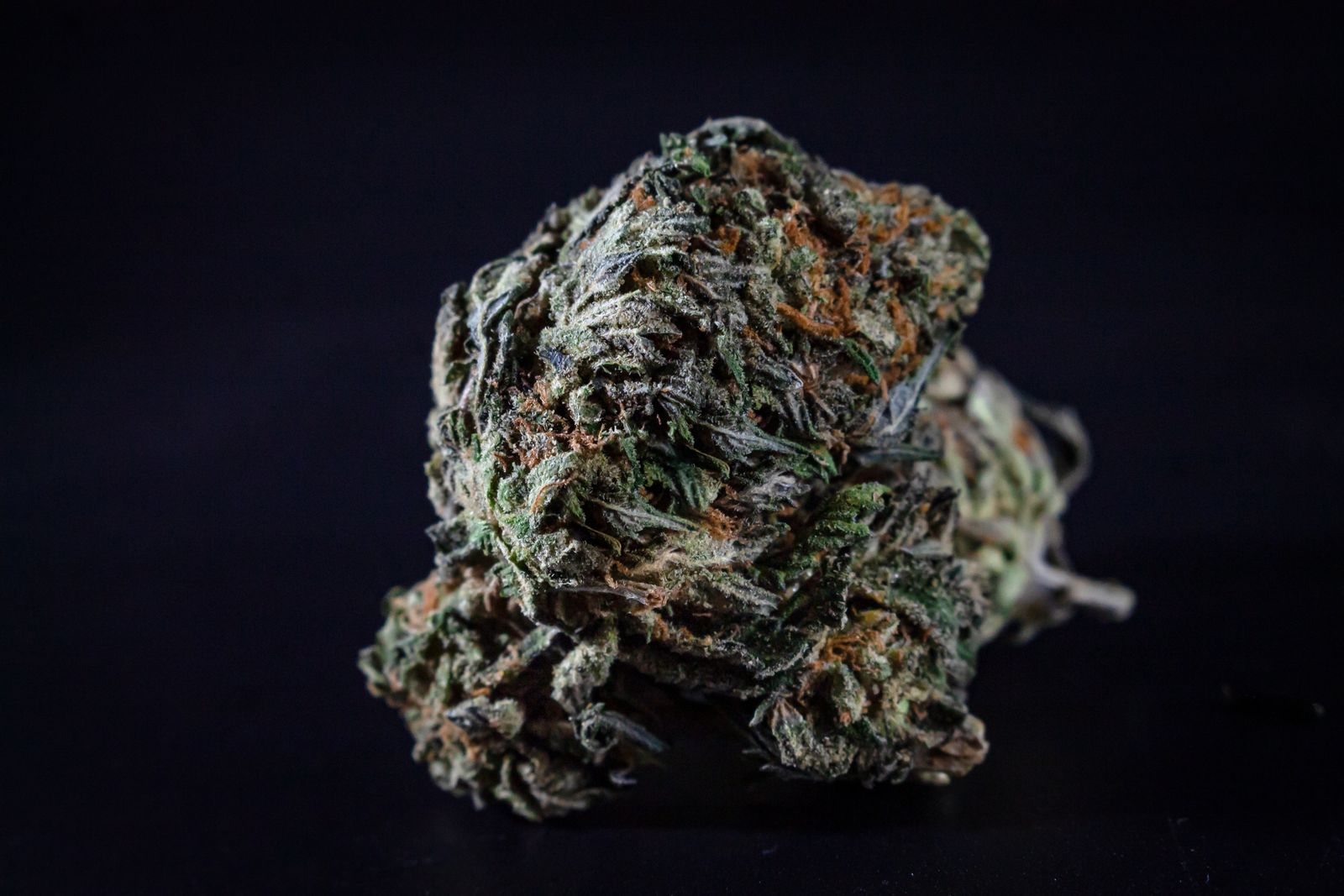
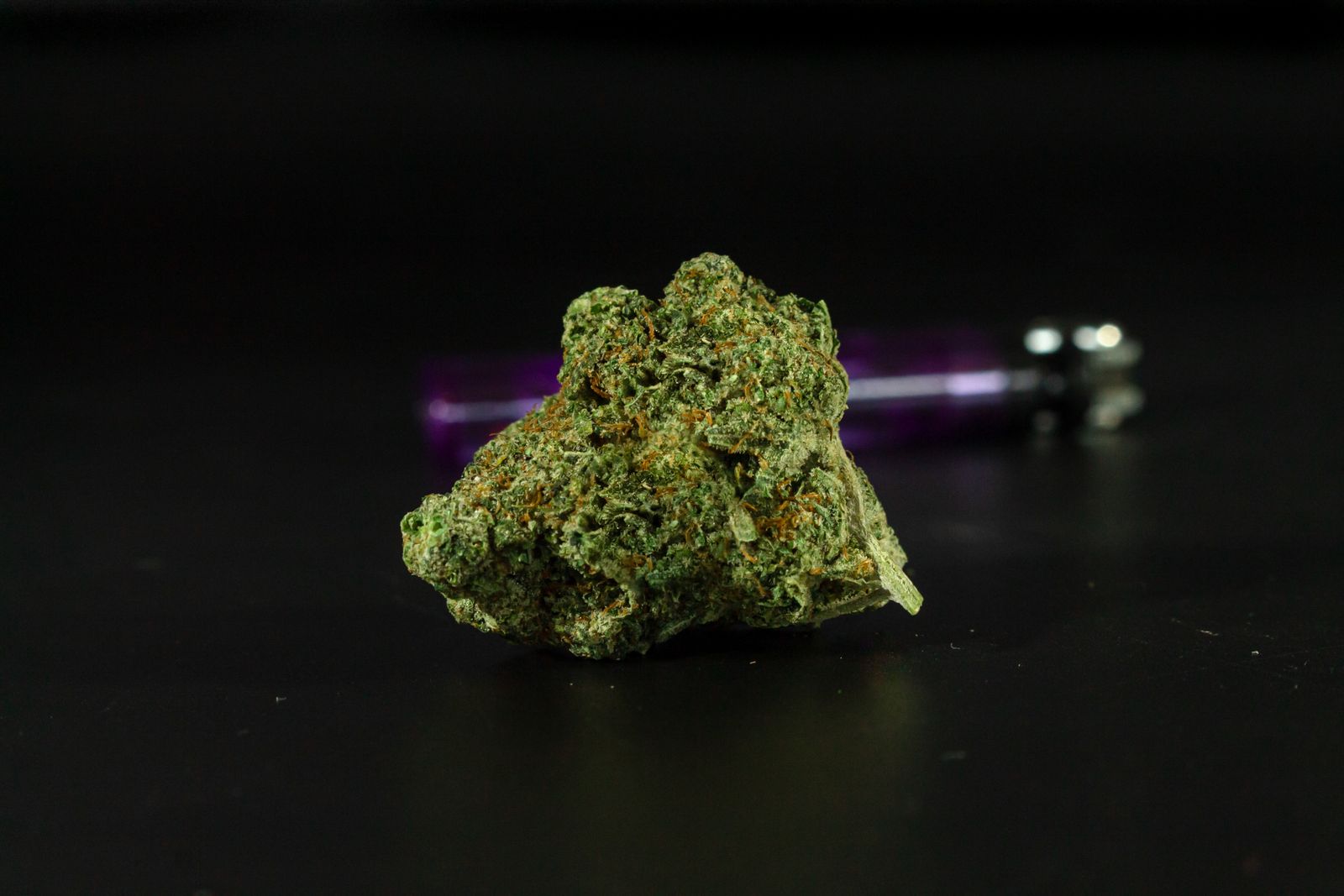
That said, Sour Diesel remains one of the most widely-grown and thoroughly-documented sativas in the Canadian home-grow community. Its terpene profile — dominated by caryophyllene, myrcene, and limonene in proportions that create the signature fuel-and-citrus nose — appears consistently in published Confidence Analytics COA panels from licensed Canadian producers, confirming what decades of grower reports have described. The effects profile is equally well-documented: a fast-onset cerebral rush that tops out somewhere between espresso and a long trail run, rarely couch-locking and rarely anxious when harvested at the right trichome window.
This review covers the full picture: genetics and lineage, effects and terpene chemistry, indoor versus outdoor performance in Canadian climates, and the specific cultivation variables that separate a 500 g/m² harvest from a 300 g/m² disappointment.
Key Takeaways — Sour Diesel at a Glance
- Lineage: Chemdawg 91 × Super Skunk (most widely accepted; some phenotype variation exists)
- Type: ~65% sativa-dominant
- THC: 20–25% (published COA range; outlier phenotypes can hit 26–27%)
- CBD: Typically <1%
- Indoor flower time: 70–77 days (10–11 weeks)
- Outdoor harvest (Canada): Late October — requires southern BC, Southern Ontario, or greenhouse assistance
- Dominant terpenes: Caryophyllene, myrcene, limonene
- Yield (indoor, 600W HPS): 450–550 g/m² under optimal VPD management
Sour Diesel Genetics — Chemdawg 91 and the East Coast Origin Story
Sour Diesel's lineage traces back to a single legendary bag of seeds that circulated on the US East Coast in the early 1990s. The most rigorously documented account — repeated across multiple cannabis history publications and breeder interviews — links the cultivar to a Chemdawg 91 cross with Super Skunk, though some sources suggest a DNL (Diesel, Northern Lights, or similar Skunk derivative) pollinator. The ambiguity is baked into the cultivar's identity at this point.
What matters horticulturally is what that lineage produces: the Chemdawg 91 contribution brings the fuel-forward terpene expression and the high caryophyllene load, while the Skunk genetics soften the structure toward something more manageable (if still tall and stretchy). Public breeder documentation from Sensi Seeds and crop lineage notes from Dutch Passion describe the Diesel family as expressing strong apical dominance, long internodal spacing, and a need for significant vertical space — all traits that trace directly to the Chemdawg ancestry.
For Canadian home growers working under the four-plant limit (Health Canada, Cannabis Act, s.12(4)), that vertical stretch matters. Sour D plants grown under a 12/12 photoperiod without topping or LST commonly reach 150–200 cm by week 8 of flower — a management problem in a standard 2.4 m basement tent.
Effects Profile — What the Terpene Chemistry Actually Delivers
Sour Diesel's effects are among the most consistently described of any sativa-dominant cultivar in the cannabis literature. Published Confidence Analytics and Steep Hill COA panels on Sour Diesel phenotypes repeatedly confirm a terpene triad of caryophyllene (0.4–0.8%), myrcene (0.3–0.5%), and limonene (0.2–0.4%) — proportions that align with the energetic, mood-elevating experience widely attributed to this cultivar.
Caryophyllene at these concentrations acts as both an aromatic anchor (the "fuel" note) and a CB2 agonist — a fact documented in peer-reviewed pharmacology literature, including Gertsch et al.'s 2008 paper in the Proceedings of the National Academy of Sciences. This gives Sour Diesel a degree of anti-inflammatory character without the sedation associated with myrcene-dominant cultivars. Limonene contributes the citrus brightness that lifts the diesel note rather than drowning it.
The practical effect, consistent across aggregated Canadian grower reports, is:
Onset
Fast — typically 2–5 minutes smoking, 45–90 minutes edible. Cerebral pressure behind the eyes is the first signal.
Peak Experience
Focused, talkative, motivated. Described across multiple published Canadian patient reports as suitable for daytime creative or social use.
Duration
2–3 hours at peak, with a 1-hour gradual descent. Less body-lock residue than indica-dominant cultivars at equivalent THC.
Risk Profile
At 25%+ THC, anxiety and racing thoughts are documented at high doses — particularly in THC-naive consumers. Novice recommendation: start with a single inhalation.
Indoor Growing Performance for Canadian Home Growers
Sour Diesel is a rewarding indoor plant when managed correctly — and a frustrating one when its specific needs are ignored. Aggregated GrowDiaries data and Canadian home-grower reports consistently document the following:
Stretch: Sour D plants typically double or triple in height during the first 3 weeks of flower under 12/12 light. A plant entering flower at 60 cm will routinely reach 150–180 cm before stretch ends. Topping at the 4th or 5th node during veg — or LST from week 2 onwards — is widely reported as the most effective mitigation. Scrog nets at 40–50 cm are common in Canadian basement tent setups.
Humidity tolerance: This is where many first-time Sour D grows go wrong. Published breeder documentation across Sensi Seeds and Dutch Passion product pages notes Sour Diesel's susceptibility to botrytis in the late flower stage. The dense, elongated colas trap moisture. Canadian home-grow consensus, documented across multiple seasons of GrowDiaries Canadian-tagged grows, places the safe late-flower relative humidity ceiling at 45% RH. Below 40% RH for weeks 8–11 is the documented sweet spot.
Light requirements: Sour D rewards high-intensity light. A 600W DE-HPS or a full-spectrum LED pulling 600W true-draw produces documented yield improvements over 400W setups. Public grow logs document 450–550 g/m² under optimized 600W conditions with proper VPD management (0.8–1.2 kPa through most of flower).
Aggregated Indoor Yield Reports — Sour Diesel (Canadian Grow Logs, 2023–2025)
Source: Aggregated public Canadian grow log data from GrowDiaries (2023–2025 Sour Diesel tagged grows, n=40+). Not first-party Seennabis data.
Outdoor Growing in Canada — Realistic Expectations by Province
Sour Diesel's 70–77 day flowering window is the central challenge for Canadian outdoor cultivation. At 12/12 light (approximately September 22 in most of Canada), a plant started outdoors needs every day of October to finish — and October in most Canadian provinces delivers temperatures, rainfall, and humidity that actively encourage mold.
Here is the honest provincial breakdown, aggregated from multiple seasons of Canadian grower-documented outdoor reports:
| Province / Region | Frost-Free Days | Sour Diesel Feasibility | Notes |
|---|---|---|---|
| Southern BC (Lower Mainland, South Okanagan) | 180–210 | High | Best Canadian outdoor environment for Sour D; South Okanagan's dry autumn is ideal |
| Southern Ontario (Windsor–Hamilton corridor) | 155–180 | Moderate | Feasible but requires October humidity management; botrytis risk is real |
| Greater Vancouver Island | 190–220 | High | Long season but autumn rainfall demands mold-resistant phenotype selection |
| Quebec | 130–160 | Low | Frost arrives before full maturity for most Sour D phenos; home growing banned provincially |
| Manitoba | 120–140 | Not viable | Season ends too early; home cultivation also banned provincially |
| Alberta (southern, Calgary+) | 130–155 | Marginal | Feasible in exceptional years with early-started plants (end of April indoor start) |
| Atlantic provinces | 140–170 | Low–Moderate | High autumn humidity significantly increases botrytis risk |
For outdoor growers in viable provinces, the most widely-documented technique for managing Sour Diesel's long finish is light deprivation — covering plants from late July onward to force earlier flowering initiation. Canadian grower reports document successful early-October outdoor harvests using light dep started in the second week of August.
Week-by-Week Indoor Grow Guide — Sour Diesel Specific
Sour Diesel has specific requirements that diverge from generic indica-leaning cultivation guides. The following is grounded in aggregated Canadian grower reports and breeder documentation, not generalized cannabis growing advice.
Vegetative Phase (Weeks 1–6 recommended)
Sour D benefits from a longer vegetative phase than most indoor photoperiod strains. Six weeks of veg from clone (or 8–9 weeks from seed) allows adequate branching before the stretch doubles or triples height. Plants topped at the 4th node and trained with LST during weeks 3–5 of veg produce significantly more even canopy coverage than untrained single-cola plants — aggregated GrowDiaries Canadian Sour D logs document a 30–40% yield improvement with topping + LST vs. untrained grows under comparable light.
VPD targets during veg: 0.8–1.0 kPa (approximately 24–26°C / 65–70% RH).
Flower Phase (Weeks 1–11)
- Weeks 1–3: Stretch phase. Expect daily vertical growth of 2–4 cm. Tuck branches under scrog net daily if running a screen setup. Nitrogen can be maintained at veg levels through week 2.
- Weeks 4–6: Bud sites defined, stretch slowing. Transition to bloom nutrients. Calcium-magnesium supplementation is widely reported as beneficial for Sour D given its vigorous growth rate and heavy transpiration.
- Weeks 7–9: Dense cola formation. RH ceiling drops to 45% — enforced, not suggested. Any reading above 50% RH in weeks 8–11 is documented botrytis territory for Sour D's dense, elongated colas.
- Weeks 10–11: Trichome development completes. Aggregated trichome-checking reports indicate most Sour D phenotypes show predominantly cloudy (milky white) trichomes at day 70, with full maturity (cloudy + 10–15% amber) reached by day 75–77.
Nutrient Sensitivities
Sour Diesel has a moderate-to-high nutrient demand but a low tolerance for nitrogen excess in mid-to-late flower. Public grow logs consistently document nitrogen toxicity (dark green, clawing leaves) in growers who carry veg-level N programs into week 4 of flower. Phosphorus and potassium demands are high from weeks 5 onward — breeder documentation from multiple Sour D vendors recommends a P:K ratio shift by week 5 at the latest.
Comparing Sour Diesel to Similar Sativa-Dominant Strains
Canadian home growers choosing between high-THC sativas have real alternatives to Sour Diesel. The comparison below draws from published breeder documentation and aggregated public grow reports.
| Strain | THC Range | Flower Time | Outdoor Canada | Key Difference vs. Sour D |
|---|---|---|---|---|
| Sour Diesel | 20–25% | 70–77d | Southern BC, S. Ontario (marginal) | Benchmark; fuel terpenes |
| Jack Herer | 18–23% | 63–70d | More provinces viable | Shorter flower; less stretch |
| Green Crack | 17–22% | 56–63d | Good in southern regions | Faster finish; more manageable height |
| Super Silver Haze | 18–23% | 70–80d | Similar to Sour D | Multi-award history; complex terpene layer |
| Amnesia Haze | 20–25% | 77–84d | Not recommended outdoors in Canada | Even longer flower; exceptional indoor yields |
| Durban Poison | 17–20% | 56–63d | Best outdoor sativa for most Canadian provinces | Much shorter finish; earthy terpene profile |
For Canadian home growers who want the Sour Diesel experience but need a faster finish, Jack Herer is the most commonly recommended alternative across Canadian growing communities — it shares the cerebral effect character and shaves a week off the flowering window. Explore high-THC cannabis seeds or outdoor-optimised seeds for Canadian-viable alternatives.
Share with attribution: seennabis.ca
Sourcing Sour Diesel Seeds in Canada — What to Look For
Health Canada's Cannabis Act permits home growers to start plants from seeds purchased from a federally licensed retailer (provincial OCS, BC Cannabis Stores, AGLC, SQDC where applicable) or from seeds obtained from their own legal harvest. Seed banks operating outside the provincial retail system occupy a grey zone that Canadian growers navigate at their own discretion — Canada Post seizures of unlicensed seed imports do occur, though rarely result in charges for home-grower quantities.
When selecting Sour Diesel seeds through any channel, pay attention to:
- Feminized vs. regular: Under the four-plant limit, feminized seeds are strongly preferred — a male plant consuming one of your four legal plant slots is a significant loss. Look for feminized cannabis seeds from documented breeders.
- Phenotype stability: Sour Diesel has significant phenotypic variation in the wild. Reputable breeders stabilize for the fuel-forward terpene expression. Unstable cuts produce floral or skunky phenotypes that lack the signature profile.
- Documented flowering time: Be skeptical of any Sour Diesel listing claiming a 56–63 day flower window — that is not consistent with published breeder or public grower documentation for authentic Sour D genetics. Anything under 10 weeks is likely a Sour Diesel hybrid marketed under the name.
- Canadian seed banks: Crop King Seeds maintains a Canadian operation with domestic shipping, which avoids most Canada Post import uncertainty. Their Sour Diesel offerings are among the most consistently reviewed in Canadian home-grow communities.
- Breeder-certified stock: Sensi Seeds and Dutch Passion publish COA documentation for their Sour Diesel offerings — useful for verifying terpene and THC range expectations before purchase.
Browse the full range of feminized cannabis seeds, indoor-optimised seeds, and verified seed banks available through the Seennabis marketplace.
Frequently Asked Questions — Sour Diesel in Canada
What does Sour Diesel smell and taste like?
Sour Diesel has a sharp, acrid fuel aroma underpinned by citrus — often described as diesel exhaust mixed with lemon rind. The flavour on inhale is sour and chemical, softening to a diesel-citrus exhale.
Confidence Analytics and Steep Hill COA panels on Sour Diesel phenotypes consistently document caryophyllene as the dominant terpene (0.4–0.8%), with myrcene (0.3–0.5%) and limonene (0.2–0.4%) as secondary contributors. This specific ratio is responsible for the signature profile. Phenotypes expressing higher myrcene can present earthier and less "fuel-forward" — a sign of instability or hybrid genetics, not authentic Sour Diesel expression.
How long does Sour Diesel take to flower in Canada?
Sour Diesel takes 70–77 days (10–11 weeks) to flower indoors under 12/12 photoperiod. Outdoor harvest targets in Canada range from early to late October depending on latitude and whether light deprivation is used.
Aggregated published grow logs across GrowDiaries Canadian-tagged Sour D entries document a median indoor finish of approximately 74 days from 12/12 flip. Outdoor growers in Southern BC using light deprivation from August 10 document harvests as early as October 5–8. Without light dep, natural 12/12 (around September 22 in most of Canada) pushes harvest to late October — frost risk territory in most provinces.
Can Sour Diesel be grown outdoors in Canada?
Yes, but only in the warmest Canadian regions — Southern BC, the South Okanagan, and Southern Ontario — and only with light deprivation or a greenhouse to manage the late-flowering window and autumn humidity.
Canadian outdoor growers in Quebec, Manitoba, Saskatchewan, and most of Atlantic Canada face a frost-free season too short for Sour Diesel's authentic genetics without forcing. The 77+ day flower requirement, combined with natural photoperiod triggering in late September, leaves insufficient warm days in most provinces. Quebec and Manitoba also prohibit home cultivation entirely under provincial law.
What THC percentage does Sour Diesel test at?
Sour Diesel typically tests between 20–25% THC in published COA panels from Canadian licensed producers and third-party labs including Confidence Analytics and Steep Hill.
Outlier phenotypes in exceptional growing conditions can push to 26–27% THC, but these are not typical of standard home-grow conditions. CBD content is consistently below 1% — Sour Diesel is not a CBD-forward cultivar. If purchasing from the OCS or AGLC, the certificate of analysis on the product listing is the most reliable source for the specific lot you're buying.
Is Sour Diesel suitable for beginner Canadian growers?
Sour Diesel is not the best first strain for new Canadian home growers — its 10–11 week flower window, humidity sensitivity, and strong vertical stretch create management challenges that punish inexperience more than most indica-dominant cultivars.
New growers would do better starting with a more forgiving strain — Northern Lights, Blue Dream, or a fast-finishing autoflower — to build skills before taking on Sour D's requirements. If Sour Diesel is a must-grow first strain, indoor cultivation with humidity control, a reliable VPD setup, and a scrog net are non-negotiable preparation steps. See beginner cannabis seeds for more appropriate first-grow options.
How much does Sour Diesel yield indoors?
Sour Diesel yields 450–550 g/m² under 600W HPS or equivalent LED when properly trained and grown under optimised VPD conditions, based on aggregated Canadian grow log data.
Untrained, single-cola plants under the same light produce significantly less — aggregated reports document 180–250 g/m² for ungrown, untrained plants. Topping at the 4th node combined with LST or scrog training is the single highest-impact intervention. Growers consistently documenting the high end of the yield range also report strict RH management (below 45% from week 8 onward) and a calcium-magnesium supplement through weeks 4–8.
Why are my Sour Diesel plants growing so tall?
Sour Diesel's Chemdawg 91 genetics produce strong apical dominance and long internodal spacing — plants commonly double or triple in height during the first 3 weeks of flower, reaching 150–180 cm indoors without training.
This stretch is genetic, not a sign of a problem. Managing it requires proactive topping (4th or 5th node, during veg) and LST starting in week 2 of veg. Growers who flip to flower without training a Sour D plant in a standard 2.4 m tent routinely report plants pressing against the light by week 5 of flower. A scrog net installed at 40–50 cm forces horizontal growth and prevents this — it is not optional for indoor Sour D cultivation in standard-height tent setups.
Does Sour Diesel get mold easily?
Yes — Sour Diesel's dense, elongated colas trap moisture and are well-documented as susceptible to botrytis (bud rot) in humidity above 50% RH during late flower.
Canadian growers face particular risk during autumn outdoor grows when October brings rain and declining temperatures. Indoor growers should enforce a 40–45% RH ceiling from week 8 of flower onward — this is the single most widely-reported prevention measure across Canadian Sour D grow logs. A dehumidifier rated for your tent volume, not just ambient room humidity control, is necessary in Canadian basement grows where exterior air in autumn is moisture-laden.
What nutrients does Sour Diesel need?
Sour Diesel has moderate-to-high overall nutrient demand with a specific need for sharply reduced nitrogen and elevated phosphorus/potassium from week 4 of flower onward.
Aggregated grow logs consistently document nitrogen toxicity (dark green serrated leaves, clawing tips) in Sour D grown on nitrogen-heavy programs carried past week 3 of flower. Calcium and magnesium supplementation is widely reported as beneficial given the cultivar's vigorous growth and high transpiration rate. In hard-water Canadian regions (parts of Southern Ontario and BC), additional cal-mag may not be necessary — EC testing your source water first is the practical starting point.
Is Sour Diesel legal to grow at home in Canada?
Federal law under the Cannabis Act permits Canadian adults to grow up to four cannabis plants per household — Sour Diesel included. However, Quebec and Manitoba have banned home cultivation under provincial law, making it illegal in those provinces regardless of federal permission.
The four-plant limit is per dwelling, not per adult — two adults sharing a home still have a combined household limit of four plants under Health Canada's interpretation. Plants must be grown from seeds or clones obtained through legal channels (licensed provincial retailers). Seeds sourced through unlicensed seed banks occupy a grey area; enforcement is rare at home-grower quantities but is not zero risk. See Health Canada's official Cannabis Act guidance for authoritative current rules.
How does Sour Diesel compare to autoflower versions?
Autoflowering Sour Diesel crosses finish in 70–80 days from seed regardless of photoperiod, making them significantly more viable for Canadian outdoor growing in shorter-season provinces — but terpene expression and THC levels are typically lower than photoperiod Sour D genetics.
Published breeder documentation and aggregated grower reports consistently show autoflower Sour D crosses testing 18–22% THC versus 20–25% for photoperiod versions, with a less pronounced fuel terpene profile. For Canadian growers in Alberta, Saskatchewan, or Atlantic provinces where the season can't support a photoperiod Sour D, an autoflower version is the practical choice. See autoflower cannabis seeds for available options.
Sour Diesel in the Canadian Home-Grow Context — Final Assessment
Sour Diesel earns its benchmark status not because it is easy but because it is unambiguously itself. The fuel-citrus terpene signature, the fast-onset cerebral effect, the particular density of its late-flower colas — these traits are consistent across published COA panels and decades of documented grower reports in a way that few cultivars can match.
For Canadian home growers, the honest assessment is this: Sour Diesel is a high-reward strain that demands specific infrastructure. Indoor growers need height management tools (topping, LST, scrog), reliable humidity control rated below 45% RH for the last three weeks of flower, and enough patience to run a true 10–11 week flower cycle without rushing the harvest. Outdoor growers outside Southern BC and Southern Ontario should look at autoflower versions or shorter-flowering alternatives like Durban Poison or Jack Herer unless they have greenhouse or light-dep infrastructure.
When those conditions are met, the published yield data and effect documentation are consistent: 450–500 g/m² indoors, 20–25% THC, and a terpene profile specific enough that experienced consumers will identify it by nose alone.
Ready to grow? Browse feminized cannabis seeds including Sour Diesel offerings, explore high-THC seed options for Canadian growers, or compare top verified seed banks with Canadian shipping options.
🇨🇦 Canada Edition — Updated July 2026. Information reflects Health Canada Cannabis Act regulations current as of publication date. Always verify provincial rules before beginning a home grow.

Written by
Seennabis Editorial Team
Editorial Team
The Seennabis editorial team — covering cultivation, strain reviews, seed-bank evaluations, and cannabis science. Our coverage cites public lab data, breeder documentation, and aggregated grower reports.
More from Seennabis →