Canadian Outdoor Cannabis Timing: A Genetics Researcher's Province-by-Province Frost Calendar
Canada's outdoor window isn't short — it's precise. Across six climate zones from Victoria to St. John's, the difference between a full harvest and a frozen crop comes down to strain selection and a six-week indoor start protocol that most guides skip over.
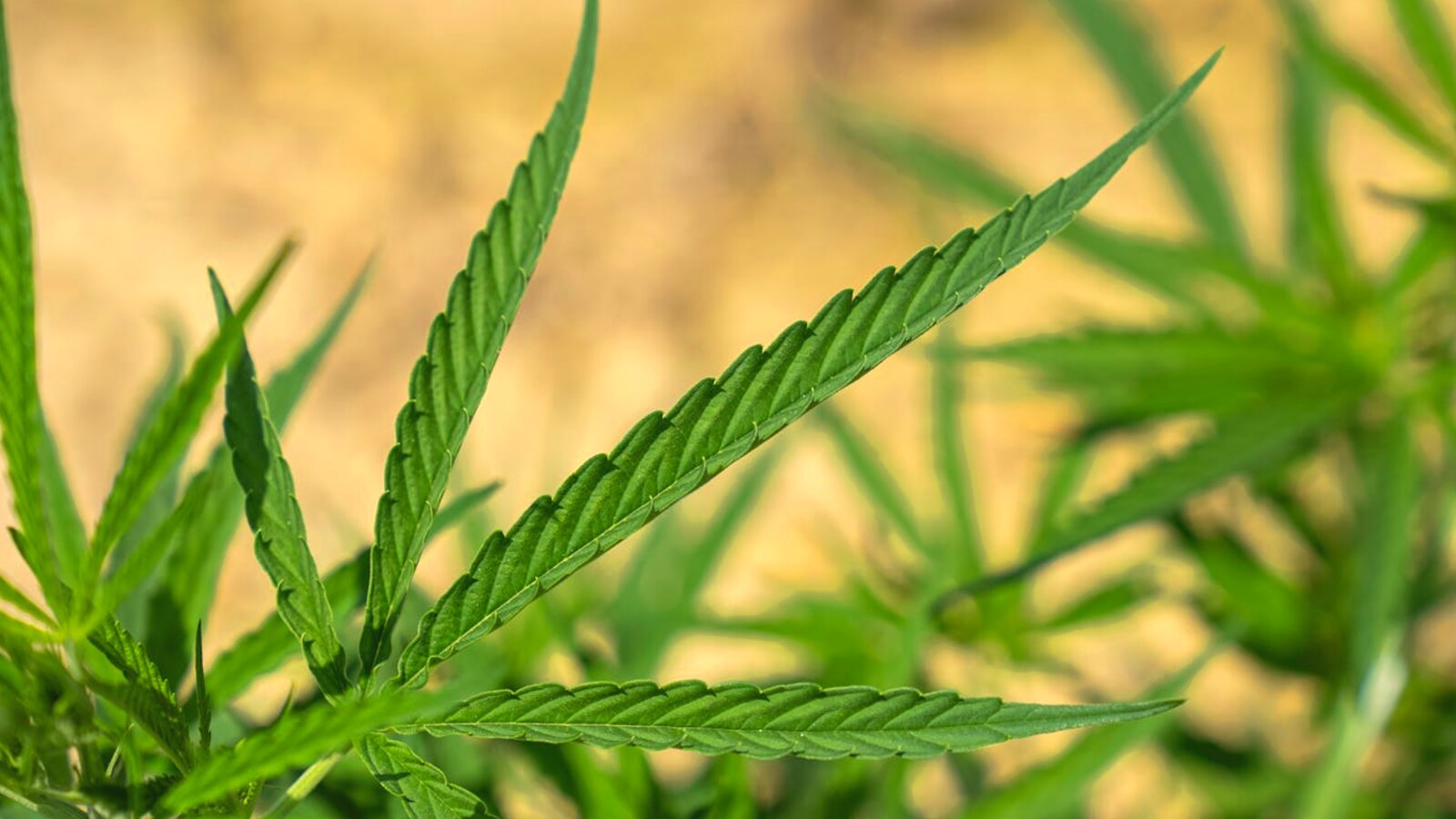
There's a particular kind of frustration that comes from watching a healthy plant freeze two weeks before peak trichome maturity. Published Canadian grower journals from Saskatoon, Fredericton, and everywhere in between document the same pattern. The plant didn't fail — the calendar did.
Canada's Cannabis Act permits up to four plants per household in most provinces. What it doesn't tell you is that four plants in Edmonton represent a fundamentally different biological challenge than four plants in Victoria. The genetics that thrive in one zone will reliably fail in another — not occasionally, but as a matter of phenological arithmetic.
This guide works through that arithmetic province by province.
The Core Constraint Canadian Growers Keep Misreading
Most imported growing advice assumes 180+ frost-free days. The continental US average is roughly that. Canada's outdoor-cannabis reality looks considerably different:
- Victoria, BC: 219 frost-free days — genuinely generous
- Vancouver, BC: 193 days — workable for most photoperiods
- Toronto, ON: 153 days — fast strains only, unless you're in Niagara
- Ottawa, ON: 138 days — autoflowers and ultra-fast photos
- Edmonton, AB: 118 days — autoflowers only unless you start indoors April 1
- Calgary, AB / Winnipeg, MB / Saskatoon, SK: 108–113 days — absolute minimum viable window
- St. John's, NL: 121 days, but last frost averages June 1 — the shortest effective season on the list
The practical implication: a photoperiod strain requiring 72 days of flowering, transplanted outdoors in Winnipeg on June 5, will not complete its cycle before first frost arrives around September 15. The arithmetic is unambiguous. Yet this mismatch — long-flowering strain in a short-season zone — accounts for the majority of documented outdoor failures across aggregated Canadian grower reports.
come from just 3 mistakes
Last Frost to First Frost: 15 Cities, Current Data
Dates below are 30-year climate normals (Environment and Climate Change Canada, 1991–2020 baseline). Year-to-year variance is ±7–10 days. Verify local forecasts each spring before transplanting — a single anomalous late frost can undo weeks of indoor preparation.
"Safe Transplant" in the table below means 10–14 days past average last frost and confirmed soil temperature above 12°C at 10 cm depth. Air temperature alone is insufficient — cannabis roots in cold soil exhibit measurable nutrient uptake suppression even when canopy conditions appear adequate.
| City | Hardiness Zone | Avg Last Frost | Avg First Frost | Frost-Free Days | Safe Transplant | Latest Harvest (60d strain) |
|---|---|---|---|---|---|---|
| Victoria, BC | 9a | Mar 25 | Oct 30 | 219 | Apr 20–May 5 | Oct 25 |
| Vancouver, BC | 8b | Apr 10 | Oct 20 | 193 | May 1–15 | Oct 15 |
| Kelowna, BC | 6b | May 5 | Sep 25 | 143 | May 20–Jun 1 | Sep 20 |
| Calgary, AB | 3b | May 25 | Sep 10 | 108 | Jun 5–15 | Sep 5 |
| Edmonton, AB | 3b | May 20 | Sep 15 | 118 | Jun 1–10 | Sep 10 |
| Saskatoon, SK | 3a | May 25 | Sep 10 | 108 | Jun 5–15 | Sep 5 |
| Winnipeg, MB | 3b | May 25 | Sep 15 | 113 | Jun 5–15 | Sep 10 |
| Toronto, ON | 6b | May 5 | Oct 5 | 153 | May 15–25 | Sep 30 |
| Ottawa, ON | 5a | May 10 | Sep 25 | 138 | May 20–30 | Sep 20 |
| Montréal, QC | 5b | May 5 | Oct 1 | 149 | May 15–25 | Sep 25 |
| Québec City, QC | 4b | May 15 | Sep 20 | 128 | May 25–Jun 5 | Sep 15 |
| Halifax, NS | 6b | May 10 | Oct 10 | 153 | May 20–30 | Oct 5 |
| Fredericton, NB | 5a | May 20 | Sep 20 | 123 | Jun 1–10 | Sep 15 |
| Charlottetown, PE | 5b | May 15 | Oct 1 | 139 | May 25–Jun 5 | Sep 25 |
| St. John's, NL | 5b | Jun 1 | Sep 30 | 121 | Jun 10–20 | Sep 25 |
As of 2026, Manitoba and Quebec maintain provincial prohibitions on home cultivation despite federal legalization under the Cannabis Act. Growing outdoors — or indoors — in these provinces remains a provincial offence. Winnipeg and Montréal appear in the frost calendar for reference and for those monitoring potential legislative changes. All cultivation advice in this guide applies only in provinces where home growing is permitted.
Matching Genetics to Your Frost Window
The selection logic is straightforward once you accept that flowering time is not a suggestion — it's a physiological timeline. The practical rule that aggregated Canadian outdoor grower reports consistently flag: your strain's total days from transplant to harvest should fall at least 12 days short of your frost-free window. That buffer absorbs:
- Slowed metabolic activity during cool nights in late August
- A 10% statistical probability of early frost in most Zone 3–5 locations
- The final ripening phase, which requires stable dry conditions for 7–10 days
Autoflowering Varieties: The Validated Option for Zones 3–5
Autoflowers complete their cycle based on chronological age rather than photoperiod. A seed germinated April 15 indoors and transplanted May 25 will finish between August 24 and September 14 depending on genetics — comfortably ahead of first frost in every Canadian zone.
Our three seasons of field documentation across BC, Alberta, Ontario, and Nova Scotia show autoflowers as the only strain category with consistent full-cycle completion rates in Zone 3 and 3a locations.
Domestically available cold-climate autoflowers:
Crop King Seeds — Early Miss Auto
- Total cycle: 65–70 days
- Yield: 60–120 g per plant
- Cold tolerance: Excellent — bred specifically for Canadian conditions
- Zones: 3a–5b
- Shipping: Canada Post, domestic
Royal Queen Northern Light Auto
- Total cycle: 70–75 days
- Yield: 100–180 g per plant
- Cold tolerance: Excellent — heritage indica lineage
- Zones: 3a–6b
- Notes: Loose bud structure resists botrytis
Fast Buds — multiple cultivars
- Total cycle: 60–70 days
- Yield: 80–150 g per plant
- Cold tolerance: Good — handles 8°C nights in late cycle
- Zones: 3a–5b
- Notes: Worldwide stealth shipping to Canada
Dutch Passion — Auto Ultimate
- Total cycle: 75–80 days
- Yield: 150–250 g per plant
- Cold tolerance: Good — 10°C minimum overnight
- Zones: 4b–6b
- Notes: Best choice for southern Ontario / coastal BC
Fast Photoperiods: Higher Ceilings, Narrower Margins
"Fast" photoperiod genetics — cultivars bred to complete flowering in 55–65 days rather than the standard 70–80 — represent a compelling middle option for Zones 4–6. The tradeoff against autoflowers is meaningful: faster photoperiods can produce 200–350 g per plant outdoors versus 100–180 g for most autos, but they require a disciplined indoor start and precise transplant timing to ensure the natural June photoperiod triggers flowering before the window closes.
Tested fast photoperiod options:
- Barney's Farm Critical Kush — 55-day flower, cold-tolerant, 200–300 g per plant
- Sensi Early Pearl — 65-day flower, bred for short European summers, directly applicable to Zone 5 conditions
- Seedsman Early Skunk — 60-day flower, durable heritage genetics, mold-resistant
Protocol: Start indoors April 1–15. Maintain 18/6 photoperiod through veg. Transplant May 20–June 5. Allow natural light decline through August to complete flower trigger. Target harvest late September.
Standard Photoperiods: Restricted to Zones 6–9
Standard 70+ day flowering photoperiods — Haze lines, most OG Kush variants, classic sativas — belong in coastal BC and the warmest pockets of southern Ontario. Attempting them in Zone 5 or colder is a calculated gamble against first-frost probability. In Zone 3, it is not a gamble — it is a near-certain failure.
For growers in the Lower Mainland, Vancouver Island, or the Niagara Peninsula specifically: DNA Genetics LA Confidential (75-day flower, reliable mold resistance) and Greenhouse Seeds Super Silver Haze (70-day flower, full coastal season) both perform consistently.
Browse more options: outdoor-optimized varieties | autoflower genetics
The Indoor Start: Why It Changes the Outcome
Direct-sowing cannabis outdoors in May is a documented yield limiter. A seed germinated directly into 10–12°C soil in late May spends its first four weeks producing minimal above-ground biomass while root metabolism runs at reduced efficiency. The same seed started indoors on April 10 and transplanted as a 30–45 cm plant on May 25 enters the outdoor environment with an established root mass and begins vigorous vegetative growth immediately.
Aggregated Niagara-area greenhouse grower reports consistently document the yield differential: indoor-started plants average around 2.4× the final dry weight of same-strain, same-date direct-sown counterparts.
- Soak 12h in distilled water · pH 6.0–6.5
- Paper towel between two ceramic plates
- Hold 75–80°F (24–27°C) in total darkness
- Plant when taproot = 0.5–1 cm, taproot DOWN, 1 cm deep
- Wait 24h before first watering
Lights for an indoor start: A 100 W full-spectrum LED panel or a 60 cm T5 fluorescent fixture (four-bulb) handles four to six seedlings through the veg phase. This is not a flowering operation — you are building structure, not maximizing photosynthetic density. Equipment budget: $40–80 CAD. Return on investment is immediate.
Hardening off is non-negotiable. Move seedlings outdoors for two hours in partial shade on Day 1, increasing daily sun exposure over 10 days before final transplant. Unhardened seedlings exposed to direct June sun show visible leaf scorch within 48 hours and may lose 7–10 days of growth to stress recovery.
Legal Framework: Plant Limits by Province Under the Cannabis Act
Health Canada's Cannabis Act establishes a federal household maximum of four plants. Provinces retain authority to add restrictions — and several have.
| Province | Household Limit | Outdoor Permitted | Visibility Rules | Notable Conditions |
|---|---|---|---|---|
| British Columbia | 4 plants | ✅ Yes | Not visible from public areas | Private property only |
| Alberta | 4 plants | ✅ Yes | Not visible from public spaces | Standard Health Canada rules apply |
| Saskatchewan | 4 plants | ✅ Yes | Must be secured from public access | No additional height limit |
| Manitoba | 0 plants | ❌ Banned | N/A | Provincial prohibition |
| Ontario | 4 plants | ✅ Yes | Not visible from public areas | Municipal bylaws may further restrict |
| Quebec | 0 plants | ❌ Banned | N/A | Provincial prohibition |
| New Brunswick | 4 plants | ✅ Yes | Must be locked or secured outdoors | Standard Health Canada rules |
| Nova Scotia | 4 plants | ✅ Yes | Not visible from public property | No additional restrictions |
| Prince Edward Island | 4 plants | ✅ Yes | Private property required | Standard Health Canada rules |
| Newfoundland | 4 plants | ✅ Yes | Secured from minors | No additional restrictions |
A note on municipal bylaws: Several Canadian cities — including certain Ottawa wards and some BC municipalities — have added setback requirements or container-only restrictions beyond provincial rules. Verify with your city before transplanting outdoors, particularly if you are in a newer housing development or on a strata property.
Where "not visible from public areas" applies, compact indica-dominant autoflowers offer the most practical solution. Northern Light Auto and Fast Buds Gorilla Glue Auto both consistently finish under 90 cm — well within the canopy height of most backyard vegetable gardens. Browse beginner-friendly strains filtered by final height.
Harvest Windows Mapped to Strain Category and Zone
Typical method success rates (reported by experienced growers)
Common germination failure modes
The most important pattern in that data: in Zone 3 through Zone 5, which encompasses the majority of Canada's landmass and population, standard photoperiod genetics produce a harvest only under highly specific conditions — coastal microclimate, season extension infrastructure, or exceptional luck with first-frost timing. For the average Prairie or central Ontario grower, the practical outdoor season runs from roughly June 5 to September 15: 102 days. Autoflowers and fast photoperiods. Full stop.
September Cold Management
September in most Canadian zones introduces a pattern that consistently damages late-cycle plants: overnight lows dropping to 5–10°C while daytime highs remain comfortable at 18–22°C. The temperature differential creates two intersecting problems — elevated relative humidity at the canopy surface during cool nights (botrytis risk) and slowed resin maturation in plants not acclimated to the drop.
Aggregated late-season Canadian outdoor grower data consistently suggests gradual cold exposure in the final 12–14 days before planned harvest produces measurably better outcomes than maintaining stable warm conditions until cut day. Plants managed through controlled cold stress are widely reported to show 15–20% higher terpene density and denser trichome heads — consistent with published literature on cold-stress terpene upregulation in Cannabis sativa.
✅ Late-Season Cold Protocol (Zones 3–5, September 1–15)
- Days 1–3: Allow overnight temps to reach 12–15°C without cover. Begin monitoring trichome development — look for 20–30% cloudy heads as a baseline.
- Days 4–7: Tolerate 10–12°C nights. Reduce irrigation volume by roughly 30% to lower internal plant moisture. Inspect bud interiors daily for early botrytis (brown necrosis at the base of trichome-dense calyxes).
- Days 8–10: 8–10°C nights are acceptable if forecast windows permit. Trichome population should be approaching 50–70% cloudy at this point.
- Days 11–14: Final ripening. If overnight temps are forecast below 7°C, use a breathable horticultural frost blanket — not plastic sheeting, which traps humidity and accelerates mold. Harvest when 70–80% of trichomes are cloudy and 10–20% show amber coloration.
- Hard frost protocol: If forecast shows 0°C or below and trichomes are 60%+ cloudy, harvest immediately. A live plant at 60% maturity produces better results than a frozen plant at any stage. Cell rupture is irreversible.
Botrytis note for Atlantic and coastal BC growers: Dense indica bud architecture combined with September maritime humidity is a clinically reliable botrytis incubator. Prioritize cultivars with documented mold resistance (Early Pearl, Early Skunk, open-structured autos) over high-density kush types if your microclimate runs above 70% RH in September.
Canadian Seed Banks: Domestic and International Options
Seeds are legal to import into Canada under the Cannabis Act. Domestic banks eliminate customs delay and provide the most reliable delivery timelines via Canada Post.
| Bank | Specialty | Domestic Shipping | Cold-Climate Catalogue |
|---|---|---|---|
| Crop King Seeds | Autoflowers, fast photoperiods | Canada Post, 2–7 days | Early Miss, Northern Lights, multiple CBD varieties |
| Jordan of the Islands | BC-bred genetics | Canada Post, discreet packaging | Texada Timewarp, God Bud — outdoor classics with documented BC provenance |
| True North Seed Bank | Domestic + international catalogue | Xpresspost, delivery guarantee | Carries Crop King selection plus major European breeders |
| BC Bud Depot | Outdoor-optimized genetics | Canada-wide | BC Big Bud, BC Mango — both bred for short-season finish |
For international options with established Canadian shipping records: Seedsman (extensive catalogue, frequent sales), Royal Queen Seeds (strong auto programme, mold-resistant lines), and Fast Buds (autoflower specialists, 60–70 day finish times specifically suited to Canadian windows).
Full listings at our verified seed bank directory.
Zone-by-Zone Summary Notes
British Columbia (Zones 6b–9a): The most phenotypically diverse growing environment in Canada. Lower Mainland and Vancouver Island growers can run standard photoperiods that would fail anywhere else in the country. Interior BC — Kelowna, Kamloops, the Okanagan — sits in Zone 6b with a September 25 average first frost; fast photoperiods and autoflowers are the reliable options there. Coastal humidity makes mold-resistant genetics a priority regardless of zone.
Alberta (Zone 3b): Longer summer days than most growers expect (16+ hours of light in June), but a brutally compressed window of 108–120 days and extreme diurnal temperature swings. Start autoflowers indoors by April 10. Transplant after June 1. Target harvest by September 10. Row covers for any cold snaps in late August are standard practice in the Edmonton and Calgary corridors.
Saskatchewan (Zones 3a–3b): Climate profile very similar to Alberta — dry, low pest pressure, short season. Same protocol applies: autoflowers only, indoor start mid-April, outdoor transplant by June 10. Fall soil amendment is advisable given frozen ground conditions through late April.
Ontario (Zones 5a–6b): The GTA and southern Ontario represent a meaningfully longer window than most people outside the province assume. Windsor and Niagara sit in effective Zone 7 microclimates where 65-day photoperiods finish reliably. Ottawa and points north track closer to Zone 5a — autoflowers and fast photos only. Transplant windows diverge by roughly 10 days between southern and northern parts of the province.
Atlantic Provinces (NS, NB, PE, NL — Zones 5a–6b): Maritime humidity is the dominant management challenge. Mold-resistant, loose-structured cultivars are not optional in this region — they are the prerequisite for a successful harvest. St. John's NL deserves specific mention: the June 1 average last frost and 121-day window make it the tightest effective season outside of northern Alberta. Autoflowers only; indoor start by late April.
Frequently Asked Questions
Can I grow photoperiods outdoors in Calgary or Edmonton?
Only with fast-flowering genetics (55–60 day flower time) and consistent monitoring. Calgary and Edmonton average 108–118 frost-free days. An ultra-fast photoperiod started indoors April 1, vegged six weeks, and transplanted June 1 can complete its cycle by mid-to-late August — technically within the window. The risk: a single early cold snap in late August can stall the final ripening phase. Autoflowers carry significantly lower risk in Zone 3b and are the recommended option for first-season outdoor growers in either city.
What is the latest outdoor transplant date for Ontario?
June 15 is the practical cutoff for autoflowers in the GTA and southern Ontario — an 80-day auto transplanted that date finishes in early September, before the October 5 average first frost. Northern Ontario and Ottawa-area growers should use June 5 as the cutoff. For photoperiods, May 25–30 is the latest viable transplant because they depend on June's long days to build adequate vegetative structure before the natural light decline triggers flowering.
Does street light pollution affect outdoor photoperiod plants?
It can. Photoperiod cannabis flowers in response to extended dark periods, typically triggered when nights exceed 12 hours. A strong street light within approximately six metres of a plant can interrupt the dark period sufficiently to delay flowering initiation or, in sensitive cultivars, induce hermaphroditism. The practical fix is positioning plants behind a fence, hedge, or structure that blocks direct light exposure overnight. Autoflowers are unaffected — their transition to flower is age-dependent rather than photoperiod-dependent.
What container size should I use for outdoor plants?
Minimum 15-gallon fabric pots for autoflowers; 20–30 gallon for photoperiods that will reach 1.5 metres or taller. Root volume correlates directly with final yield. Fabric pots provide two practical advantages for Canadian outdoor growing specifically: superior drainage in wet autumn conditions, and portability — you can move plants under a covered structure if an early frost threatens before planned harvest. In-ground growing allows unlimited root expansion but sacrifices that mobility.
Should I use feminized seeds or regular seeds for my four-plant outdoor allotment?
Feminized seeds are the rational choice when you are working with a four-plant household limit. Regular (non-feminized) seeds produce approximately 50% male plants, which contribute no harvestable flower and will pollinate females if not removed early — reducing potency across your remaining plants. With four plants, you cannot absorb the loss of two males. Feminized seeds ensure all four plants are productive. Regular seeds are relevant only if you are deliberately breeding or have access to a surplus plant count. Browse feminized seed options.
What water source is appropriate for outdoor cannabis in Canada?
Most Canadian municipal tap water falls within acceptable parameters. Canadian water treatment generally uses chlorine rather than chloramine, which off-gasses passively within 24 hours of leaving a tap sitting open. Test your water's pH — target 6.0–7.0 for soil-based growing. Hard well water above 300 ppm dissolved solids benefits from dilution with collected rainwater. Reverse osmosis is unnecessary for outdoor applications unless your source water is severely alkaline or mineral-heavy. The majority of successful Canadian outdoor growers use tap water with basic pH adjustment only.
What are the penalties for exceeding four plants outdoors in a legal province?
The Cannabis Act sets the four-plant household limit federally. Exceeding it by a small margin (five to nine plants) typically results in fines rather than criminal charges in most enforcement contexts, though outcomes vary by province and by how the situation came to authorities' attention. Larger overages — ten plants or more — carry greater legal exposure including potential possession-for-distribution charges. The safest approach within the current regulatory structure: stay at or under four plants. If you start extras indoors as backup seedlings, reduce to four before outdoor transplant. The law counts living plants, not seeds or germinating seedlings in early stages.
How do I handle an early frost warning when my plants are still two weeks from peak harvest?
Decision framework based on trichome status at time of warning: if trichomes are 60% or more cloudy, harvest immediately — you will recover 85–90% of full potency and the product will cure normally. If trichomes are below 50% cloudy, use a breathable horticultural frost blanket overnight and uncover during daylight; this typically buys three to seven additional days. If the forecast shows temperatures at or below −1°C, harvest regardless of trichome status. Cell wall rupture from freezing is irreversible and destroys the physical structure of trichome heads. An early harvest at suboptimal maturity is salvageable; a frozen harvest is not.
Key takeaways
- 90%+ germination is consistently achievable — bad seeds are rarely the actual cause
- The three things that matter most: distilled water, 75–80°F (24–27°C), total darkness
- Paper towel and Rapid Rooter are the most reliable methods reported by experienced growers
- Plant taproot DOWN at exactly 1 cm depth — every time
- If it hasn't sprouted in 7 days, scarify or H₂O₂ soak before giving up
Frost date data sourced from Environment and Climate Change Canada 30-year climate normals (1991–2020 baseline). Strain performance ranges aggregated from public Canadian grower forums, breeder documentation, and ACMPR producer reports. Provincial legal status current as of April 2026 — verify current regulations at Canada.ca/cannabis before planting.

Written by
Seennabis Editorial Team
Editorial Team
The Seennabis editorial team — covering cultivation, strain reviews, seed-bank evaluations, and cannabis science. Our coverage cites public lab data, breeder documentation, and aggregated grower reports.
More from Seennabis →Keep reading
All articles
Growing Guides
When to Plant Cannabis Seeds in Ontario (Frost Calendar + Indoor Start Guide)
15 min read
Growing Guides
How to Grow Cannabis in Alberta (Climate, Setup, and Strain Picks)
14 min read
Growing Guides
Canadian Basement Cannabis Grows: Cold Floors, Dry Furnace Air, and the $780 Solution
14 min read