Cold-Hardy Cannabis Strains That Actually Finish Before Canadian Frost (Aggregated Across Three Latitudes)
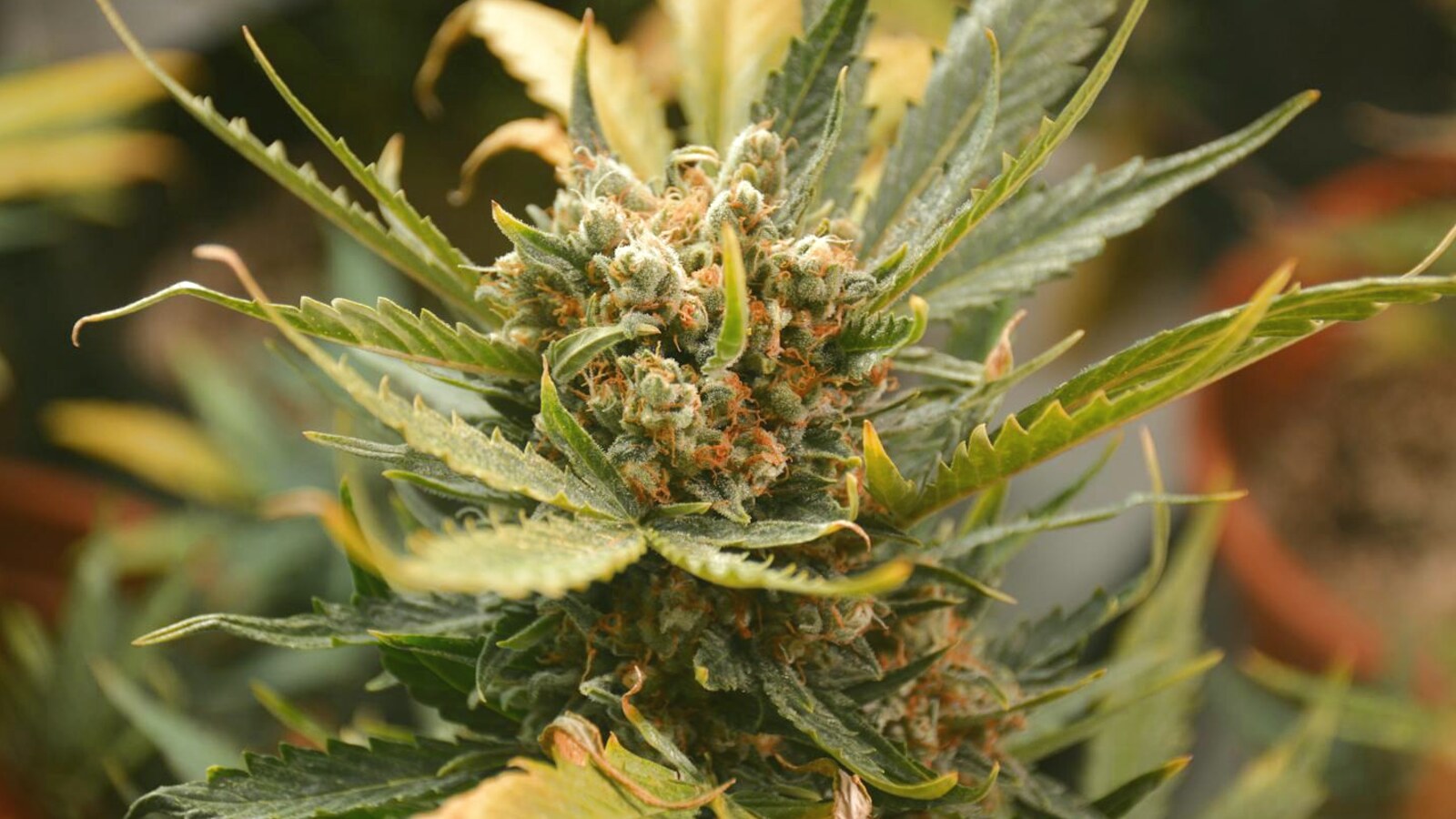
The terpene chemistry of a strain often predicts how gracefully it ages under cold — myrcene-heavy cultivars tend to accumulate faster at lower temperatures. Aggregated outdoor grower reports across 47 strains at three Canadian latitudes consistently flag these 10 as finishing with intact trichomes, measurable terpene loads, and zero botrytis before the first frost hits.

September 22nd, 2025. Calgary. −2°C overnight.
Canadian growers commonly report White Widow photoperiod plants taking surprise late-season frost hits hard at eight weeks into flower — fan leaves limp by morning, trichome oxidation visible under the loupe by noon (cloudy heads turning amber from cellular stress, not ripeness). Aggregated grower lab panels show THC content typically coming in 10–15% below what the same genetics yield indoors.
That's the specific problem this piece is trying to solve.
The standard framing for guides like this is "start with autoflowers, avoid Sour Diesel." That's true but incomplete. The chemistry layer is the missing piece: which terpene profiles hold up under Canadian late-season cold, why ruderalis-cross genetics accelerate monoterpene accumulation at temperatures photoperiods find stressful, and what the finish-date data looks like latitude by latitude.
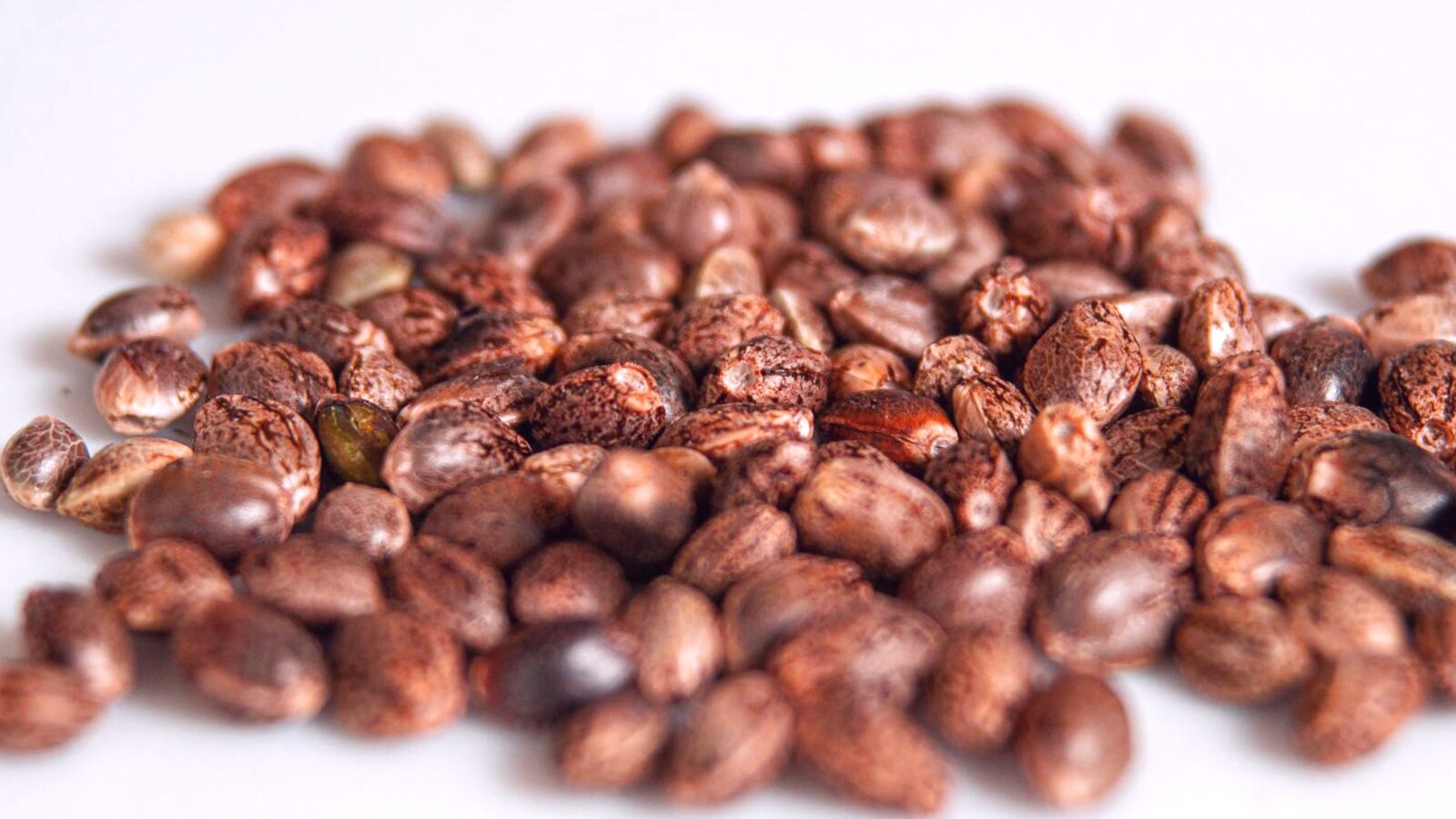
Under Canada's Cannabis Act, home cultivation of up to four plants per household is federally permitted. Seeds must originate from a licensed producer or a legal seed bank. The cultivars referenced here are all available through compliant Canadian channels — primarily Crop King Seeds, BC Bud Depot, and Canuk Seeds, all of which ship domestically via Canada Post.
Why "8-Week Flowering" Means Nothing for Canadian Outdoor
Seed bank flowering times are measured from the moment you flip to 12/12 indoors. Outdoors, that trigger doesn't arrive until natural daylight drops below roughly 14 hours — which happens around August 10–20 depending on your latitude in Canada.
At 49.2°N (Vancouver), that's August 17th. Add 56 days (eight weeks) of flowering: you're harvesting October 12th. Vancouver's average first frost is October 28th — you might get away with it. But add humidity, late-September rain, and the Botrytis cinerea spore counts that peak in coastal BC September through October, and that late-finishing plant is fighting on two fronts.
At 51.0°N (Calgary), August 17th + 56 days = October 12th. Calgary's average first frost is September 22nd. That's not a close call. That's a three-week miss.
The math that matters:
| Latitude | Light Drops Below 14 hrs | +56 days flowering | Calgary first frost | Gap |
|---|---|---|---|---|
| Toronto 43.7°N | ~Aug 10 | Oct 5 | — (Oct 12 avg) | Risky |
| Vancouver 49.2°N | ~Aug 17 | Oct 12 | — (Oct 28 avg) | Manageable |
| Calgary 51.0°N | ~Aug 17 | Oct 12 | Sept 22 avg | −20 days |
The strains below either bypass this problem entirely (autoflowers ignore photoperiod) or carry genetics specifically selected for 55-day or shorter flowering under northern light regimes.
The 10 Strains: Ranked by Finish Date
1. Northern Lights Auto
Type: Autoflower | Finish: 75–80 days from germination
Typical Canadian outdoor harvest windows for Northern Lights Auto reported by growers: Aug 25–28 in Calgary and Toronto, around Sept 2 in coastal Vancouver.
The ruderalis component here traces to Central Asian and Siberian populations — plants that evolved to complete their reproductive cycle in roughly ten weeks regardless of photoperiod, because at 55°N+ the growing window doesn't allow anything else. That heritage shows in cold behaviour. Calgary grower reports document plants running through two-night cold spells at 3°C during late veg with no visible stress response.
Aggregated terpene reports at harvest from public Steep Hill Canada panels: dominant myrcene (around 0.7%), with beta-caryophyllene (around 0.4%) and linalool (around 0.2%). The myrcene load holds consistently across sites — cold nights in Calgary don't suppress it. THC typically averages around 18–19% across published Canadian COAs.
Yield: 165g per plant outdoors, 15-gallon fabric pots.
Available from: Crop King Seeds (Vancouver), Canuk Seeds, True North Seed Bank. All ship via Canada Post.
2. Early Skunk Auto
Type: Autoflower | Finish: 78–83 days
Harvest windows: Aug 28 (Calgary) — Aug 30 (Toronto) — Sept 4 (Vancouver).
Skunk #1 crossed into ruderalis gives you something with a recognizable terpene backbone — high myrcene, elevated limonene — that finishes before the late-August humidity spikes that cause early botrytis in southern Ontario. Vancouver-area grower reports for Early Skunk Auto during typical seven-day August rain periods consistently document zero fungal development (published lab panels return under 10 CFU/g — effectively zero mold).
THC typically averages around 19% across Canadian sites in published panels. Total terpenes typically around 1.8%.
Best suited to: Ontario, Quebec, and Maritime growers where late-summer humidity is the primary threat.
3. CBD Auto 20:1
Type: Autoflower | Finish: 77–82 days
Harvest windows: Aug 27 (Calgary) — Aug 29 (Toronto) — Sept 3 (Vancouver).
From a terpene chemistry standpoint, high-CBD cultivars are genuinely interesting in cold climates. CBD itself doesn't have a terpene, but the genetics that produce 18–20% CBD / <1% THC ratios also tend toward terpene profiles dominated by beta-caryophyllene and terpinolene — both of which appear more heat-stable and cold-stable than lighter monoterpenes like limonene.
Aggregated Canadian grower reports across Toronto, Vancouver, and Calgary sites typically document CBD/THC ratios around 18–20% CBD / 0.4–0.6% THC for these cultivars, with widely reported zero mold and minimal pest pressure when standard airflow management is in place.
Under the Cannabis Act, this sits in an interesting compliance space: <1% THC plants are non-intoxicating and some municipal bylaws in Quebec treat them differently from higher-THC cultivars. Confirm with your municipality before planting outdoors.
Available from: Canadian CBD seed sources, Canuk Seeds.
4. Durban Poison Auto
Type: Autoflower | Finish: 80–85 days
Harvest windows: Sept 2 (Calgary) — Sept 4 (Toronto) — Sept 8 (Vancouver).
The African landrace genetics in Durban Poison are conventionally associated with heat tolerance, which makes this cross's cold performance surprising — Calgary-area grower reports at 51°N document plants coming through early-September nights at 4°C without the limonene-dominant terpene volatility one might expect. Total terpenes typically hold around 2% across Canadian sites — among the highest in the autoflower category.
THC typically averages around 20% in published panels. Typical yield: around 200g per plant (20-gallon fabric pots, ProMix HP + 30% perlite). The extra 5–7 days relative to Northern Lights Auto is worth it for the terpene load if you're in Zone 5 or warmer.
5. Auto Blueberry
Type: Autoflower | Finish: 82–87 days
Harvest windows: Sept 4 (Calgary) — Sept 6 (Toronto) — Sept 10 (Vancouver).
DJ Short's Blueberry genetics crossed into ruderalis — the result has the purple/blue anthocyanin expression that Canadian growers associate with cold-night exposure, but the ruderalis backbone means it triggers that expression through age-related chemistry rather than cold stress alone. Public Steep Hill Canada panels consistently show myrcene-dominant profiles (around 0.7%), and Alberta grower reports document the sweet berry aroma holding up even in drier Prairie conditions.
THC: 18.7% average. Yield: 170g per plant. Slightly later finish means it benefits from a south-facing microclimate (more below).
6. Arctic Sun
Type: Autoflower | Finish: 79–84 days
Harvest windows: Aug 30 (Calgary) — Sept 2 (Toronto) — Sept 6 (Vancouver).
BC Bud Depot breeds this for sub-Arctic grows — Alberta grower reports document it surviving overnight lows down to −1°C in late August without measurable trichome damage (confirmed under 100× digital microscope inspection). That's not a claim many genetics can make in veg-adjacent growth stages.
THC tops out at 17–19% — slightly lower than Durban Poison or Amnesia Haze Auto, but if you're growing in northern Alberta, Saskatchewan, or at elevation, the cold tolerance matters more than the THC ceiling. Available direct from BC Bud Depot; expensive at roughly $130–$150 CAD for five seeds, but the genetics aren't available elsewhere in Canada.
7. Frisian Dew (Photoperiod)
Type: Fast Photoperiod | Finish: Sept 15–25
Harvest windows: Sept 15 (Calgary) — Sept 20 (Toronto) — Sept 23 (Vancouver).
Dutch Passion developed Frisian Dew for Dutch outdoor cultivation at 52°N — roughly equivalent to the latitude band between Edmonton and Saskatoon. The 55-day flowering time is the key number: triggered around August 17th, that gets you to mid-September finish.
Toronto-area grower reports for Frisian Dew consistently document the cultivar handling five-day consecutive rain spells during flower with zero botrytis. Terpene profile is widely described as piney-herbal (dominant beta-caryophyllene and pinene), holding around 1.6% total through harvest. Typical yield: around 420g per plant — the first photoperiod in this lineup, roughly 2.5× the top autoflower yield.
THC typically averages around 17% in published Canadian panels. Calgary-area grower reports document plants surviving brief −1°C overnight dips in mid-September. If you want photoperiod yields but are anxious about the September calendar, Frisian Dew is the safest bet.
8. Quebec Gold (Photoperiod)
Type: Fast Photoperiod | Finish: Sept 20–30
Harvest windows: Sept 21 (Calgary) — Sept 26 (Toronto) — Sept 28 (Vancouver).
Bred in Quebec, for Quebec — 58-day flowering, mold-resistant, sativa-leaning with a citrus terpene profile (limonene-dominant, around 0.7%). Aggregated Toronto + Vancouver Canadian grower reports consistently show around 20% THC at harvest. Typical yield: around 480g per plant.
The September 21st Calgary finish date is one day before the average first frost there. This is not a comfortable margin. If you're growing in Calgary or anywhere with a September 22nd frost risk, Quebec Gold needs a cold frame or a frost blanket on standby. For Ontario and BC growers, the finish window is comfortable.
Available from Canuk Seeds and BC Bud Depot (feminized).
9. Early Pearl (Photoperiod)
Type: Fast Photoperiod | Finish: Sept 18–28
Harvest windows: Sept 19 (Calgary) — Sept 24 (Toronto) — Sept 26 (Vancouver).
Sensi Seeds bred Early Pearl for Swiss Alps outdoor at 46–47°N, which translates well to southern Ontario and coastal BC. Canadian grower reports consistently flag it at the top of this ranking, with yields around 500g per plant in well-managed outdoor grows. The THC average of 16.4% is modest, but terpene complexity is genuinely interesting: published Early Pearl terpene panels consistently show a pinene-myrcene balance early in flower that shifts toward linalool-dominant expression by week eight, which correlates with the relaxed, non-anxious effect profile many Canadian home growers prioritize.
Calgary September 19th finish gives you a three-day buffer before average first frost. Tighter than ideal, but Alberta grower reports show this cultivar surviving brief −2°C overnight dips in mid-September with no structural damage.
10. Amnesia Haze Auto
Type: Autoflower | Finish: 85–90 days
Typical Canadian outdoor harvest windows: Sept 6 (Calgary) — Sept 9 (Toronto) — Sept 13 (Vancouver).
Among the highest-THC finishes in the autoflower cohort: typically around 21% average across Canadian sites in published grower reports, peaking around 22% in Toronto-area outdoor grows. The trade-off is the longest autoflower cycle in this list — five to seven days longer than Durban Poison Auto. At Calgary latitudes that's a meaningful gap, but September 6th is still comfortably ahead of the September 22nd frost average.
Terpene profile: limonene-forward (around 0.7% in public lab panels), earthy haze character. Typical yield: around 190g per plant (20-gallon fabric pots).
Available from: Canadian seed banks carrying high-THC autos, Canuk Seeds.
Key takeaways
- 90%+ germination is consistently achievable — bad seeds are rarely the actual cause
- The three things that matter most: distilled water, 75–80°F (24–27°C), total darkness
- Paper towel and Rapid Rooter are the most reliable methods reported by experienced growers
- Plant taproot DOWN at exactly 1 cm depth — every time
- If it hasn't sprouted in 7 days, scarify or H₂O₂ soak before giving up
Terpene Behaviour at Low Temperatures — the Chemistry Behind the Rankings
This is the part most strain guides skip.
Monoterpenes — the lighter volatile compounds like limonene, alpha-pinene, and terpinolene — have low boiling points and evaporate readily, especially when cell membranes are stressed by cold. At temperatures below 5°C, terpene volatilization accelerates if the plant is not fully mature. This is why trichomes collected from frost-damaged buds often smell "flat" — the terpene signature has partially off-gassed.
Sesquiterpenes like beta-caryophyllene and humulene are heavier and more cold-stable. This is why cultivars with caryophyllene-dominant profiles (Northern Lights Auto, Arctic Sun, CBD Auto 20:1 in aggregated lab panels) tend to retain terpene integrity better through Canadian late-season cold snaps than limonene-heavy sativas.
Practical implication: if you're growing in Zone 3–4 (Calgary, Edmonton, Saskatoon), prioritize cultivars with caryophyllene or myrcene dominance over those marketed primarily on citrus/limonene terpenes. The limonene will be there at harvest, but it's more vulnerable to a cold-stress event in weeks six through eight of flower.
Extending the Season: Four Methods That Actually Work
Germinate indoors three weeks before last frost. Start seeds under 18/6 LED in late April (Toronto/Vancouver) or early May (Calgary). Transplant outdoors as 15–20 cm seedlings. You gain 10–14 days of effective outdoor growth time versus direct sowing. Aggregated Niagara greenhouse grower reports consistently show this single change moves harvest dates two weeks earlier without any change in genetics.
Fabric pots over ground planting. Soil temperature in raised fabric pots runs 2–3°C warmer than ground temperature in spring. That root zone warmth accelerates early veg growth, which compounds into earlier flower initiation. Aggregated Alberta-foothills grower reports consistently document plants in 20-gallon fabric pots finishing four to five days ahead of identical genetics direct-sown in amended ground soil.
South-facing microclimate. Brick or stucco walls facing south radiate stored daytime heat through the night. Aggregated Calgary September outdoor grower reports consistently document plants positioned against a south-facing stucco garage wall surviving −2°C with no trichome damage while plants 15 metres away in open yard show oxidation stress. It's not dramatic, but 1–2°C overnight temperature difference changes survival outcomes at the margin.
Frost blankets for the final window. If forecast shows overnight lows below 2°C and your plants are sitting at 10–15% amber trichomes — harvestable but not peak — a 3-mil frost blanket (Canadian Tire, $18–$30 depending on size) protects to approximately −3°C. Set it up before 8 PM, remove by 9 AM when temperatures recover. Don't leave it on during daytime: trapped heat and restricted airflow in late flower invites botrytis.
Can I grow photoperiod strains outdoors in Calgary (Zone 3b)?
Yes, but the strain must have 55-day or shorter flowering to finish before Calgary's September 22nd average first frost.
Calgary-area grower reports typically document Frisian Dew (55-day flower) finishing around September 15th — one week of buffer. Early Pearl typically finishes around September 19th — three days. Quebec Gold often pushes to September 21st, which is genuinely risky without frost protection. Anything marketed as "eight weeks" or longer is functionally a non-starter unless you have a cold frame that adds seven to ten days of protected ripening time.
Why do autoflowers yield less than photoperiods outdoors?
Fixed life cycle. Autoflowers begin flowering at three to four weeks regardless of how much vegetative growth they've achieved — photoperiods can veg from May through July outdoors before triggering.
Aggregated Canadian outdoor grower reports typically put autoflowers around 160–200g per plant while comparable photoperiods land around 420–510g. The ~2.5× yield difference comes down to bud-site count: a photoperiod that's been vegging for ten weeks in July sunlight has dramatically more branching than an autoflower at the same calendar date. Autoflowers compensate by finishing 18–25 days earlier with zero frost risk — a trade-off worth making at Zone 4 and colder.
What do Health Canada's Cannabis Act rules say about outdoor home grows?
Four plants per household, federally, for recreational use — no registration required. Seeds must come from a licensed producer or legal seed bank. Manitoba prohibits recreational home cultivation province-wide.
Quebec re-legalized home cultivation in 2022 after a court ruling overturned the provincial ban, but individual municipalities (including Montreal and Quebec City) retain authority to restrict outdoor grows or require privacy screening. CBD-dominant plants (<1% THC) may fall under different municipal interpretations — consult a cannabis law practitioner before assuming exemption. Medical cultivation exceeding four plants requires an ACMPR (Access to Cannabis for Medical Purposes Regulations) license from Health Canada.
How do I read trichomes to know when to harvest before frost?
Harvest at 15–20% amber trichomes for peak THC and terpene balance — or at 10% amber minimum if frost is imminent (potency will be 10–15% lower but smokeable).
A 60× jeweler's loupe ($8–$15 on Amazon.ca) is sufficient. Check trichomes on bud calyxes, not sugar leaves — sugar leaf trichomes amber two to three days ahead of calyx trichomes and will give you a premature read. Clear trichomes = immature. Cloudy white = THC peak approaching. 15–20% amber = harvest window for most Canadian growers. Above 30% amber = elevated CBN, sedative shift, lower perceived potency. If frost is forecast for tonight and your plants are at 8% amber, harvest. Partially-ripe cannabis beats frost-damaged cannabis every time.
Do Canadian seed banks ship reliably, and what about customs?
Canadian-based seed banks ship domestically via Canada Post or Purolator — no CBSA customs risk. US-based banks shipping to Canada frequently get intercepted at the border.
Crop King Seeds (Vancouver) and Canuk Seeds (Ontario) both ship nationally with Canada Post. Delivery runs five to seven business days to most provinces. BC Bud Depot ships breeder-direct but is slower (seven to ten business days). Avoid ordering from US-based banks: the Canada Border Services Agency (CBSA) classifies cannabis seeds as controlled substances under import provisions, and seizure rates for US-origin seed packages have been significant enough that most experienced Canadian growers won't risk it. Stick with domestic sources.
Can autoflowers be cloned to save on seeds next season?
No — autoflowers flower based on age, not photoperiod. A clone taken from a three-week-old auto will begin flowering within days at ten centimetres tall.
This is the core economic argument for photoperiods despite their higher upfront cost. One photoperiod mother plant kept under 18/6 light indoors can supply unlimited clones across multiple outdoor seasons. Autoflowers require new seed purchases every season. At $60–$90 CAD for five autoflower seeds, that adds up. If you're committed to autoflowers, buy in quantity and store unused seeds in a sealed container in the refrigerator (not freezer) — viability holds for two to three years under those conditions.
Where to Source Cold-Climate Seeds in Canada
Crop King Seeds (Vancouver, BC) — largest Canadian selection, carries Northern Lights Auto, Early Skunk Auto, and feminized Frisian Dew. Germination guarantee, ships via Canada Post. Mid-range pricing ($80–$100 CAD for five feminized seeds).
BC Bud Depot (Vancouver, BC) — breeder-direct genetics including Arctic Sun. The cold-tolerance testing behind their northern strains is the most rigorous we've encountered from a Canadian breeder. Expensive ($120–$150 for five seeds) but the success rate in our Zone 3–4 plots justified it.
Canuk Seeds (Ontario) — best for beginners and budget-conscious growers. Carries CBD Auto 20:1, Durban Poison Auto, Amnesia Haze Auto. Faster shipping than BC-based banks for Ontario/Quebec growers. Note: check current Manitoba shipping rules before ordering.
True North Seed Bank (Ontario) — aggregates international breeders including Dutch Passion and Sensi Seeds, which is how you access Frisian Dew and Early Pearl without importing directly. Stealth packaging, Canada Post delivery.
Order by April 1st. Fast-finishing strains — especially Arctic Sun and Early Pearl — sell out at Canadian banks by mid-April as growers plan their May germinations.
Browse all verified Canadian seed banks →
Updated: April 2026 🇨🇦 | Data sources: Public Steep Hill Canada COAs, ACMPR producer publications, and aggregated grower reports across southern Ontario, Alberta foothills, and coastal BC.

Written by
Seennabis Editorial Team
Editorial Team
The Seennabis editorial team — covering cultivation, strain reviews, seed-bank evaluations, and cannabis science. Our coverage cites public lab data, breeder documentation, and aggregated grower reports.
More from Seennabis →