Best Outdoor Cannabis Seeds
Outdoor growing harnesses natural sunlight for massive yields — 1kg+ photoperiod harvests, fast-finish autoflowers for northern climates. Mold-resistant, pest-resistant strains from 33 verified seed banks.
4122 strains found
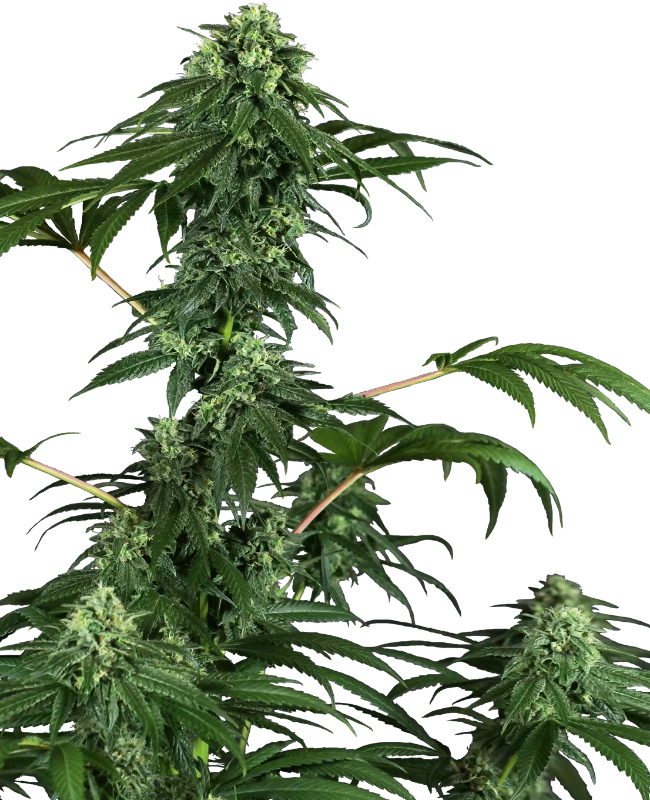
420 Punch Feminized Seeds
$25.49 CAD
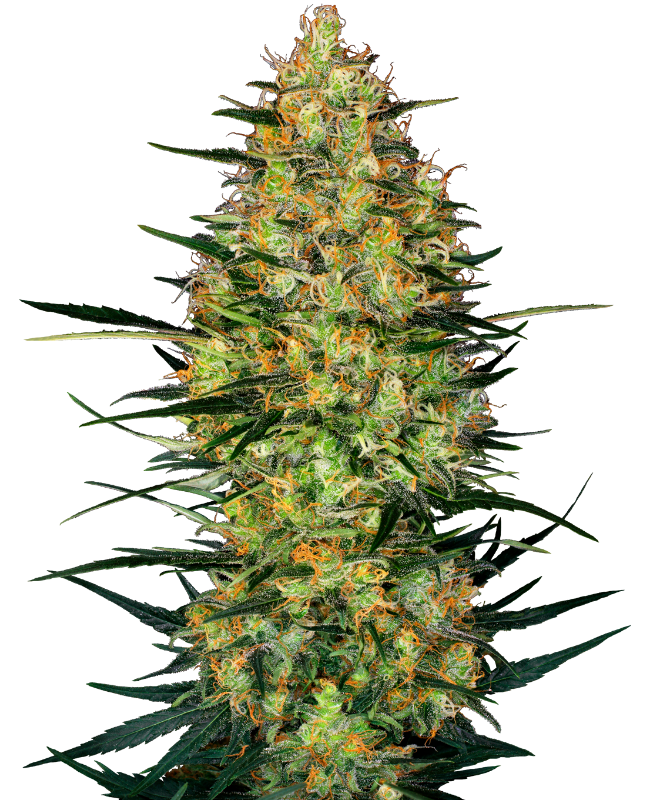
Caramellow Kush Automatic Seeds
$25.16 CAD
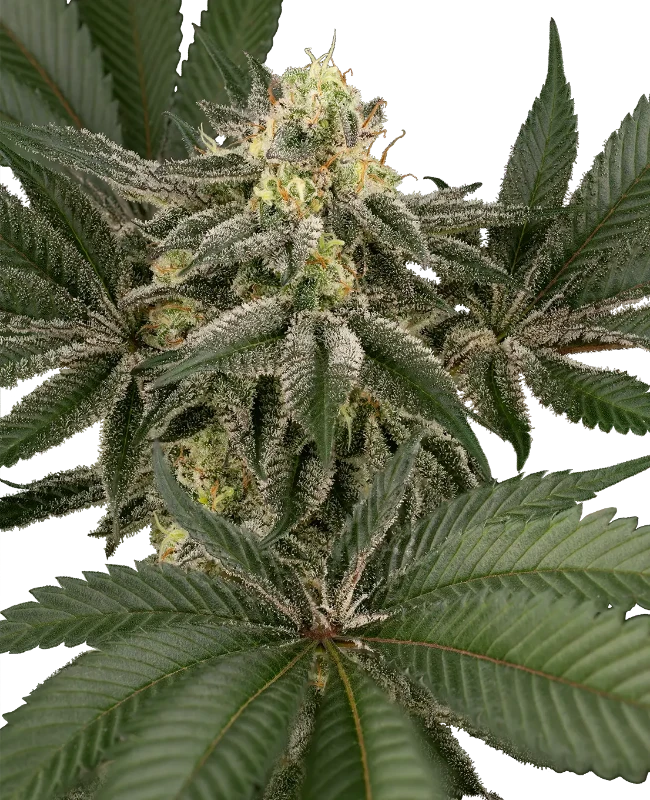
Hollywood Venom Feminized Seeds
$51.64 CAD
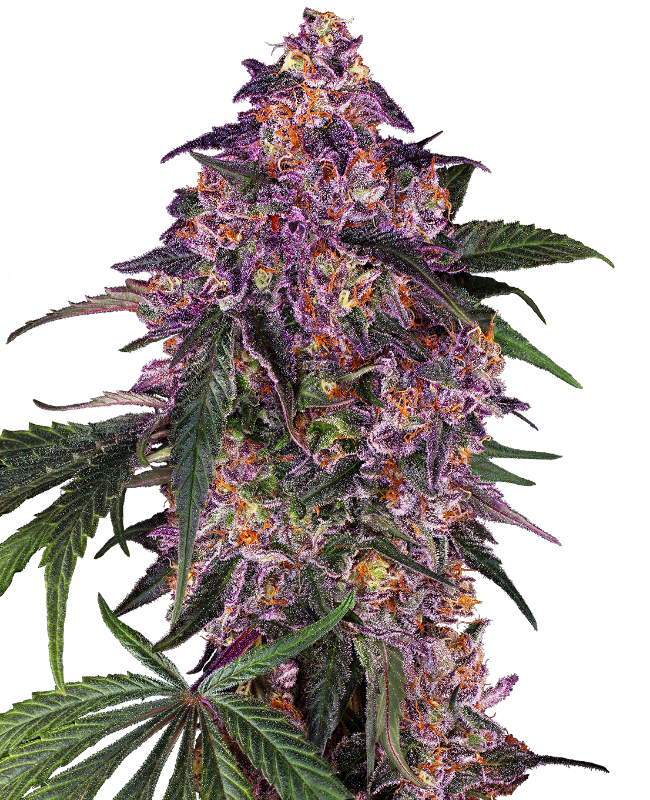
Sensi Purple Kush Feminized Seeds
$39.56 CAD
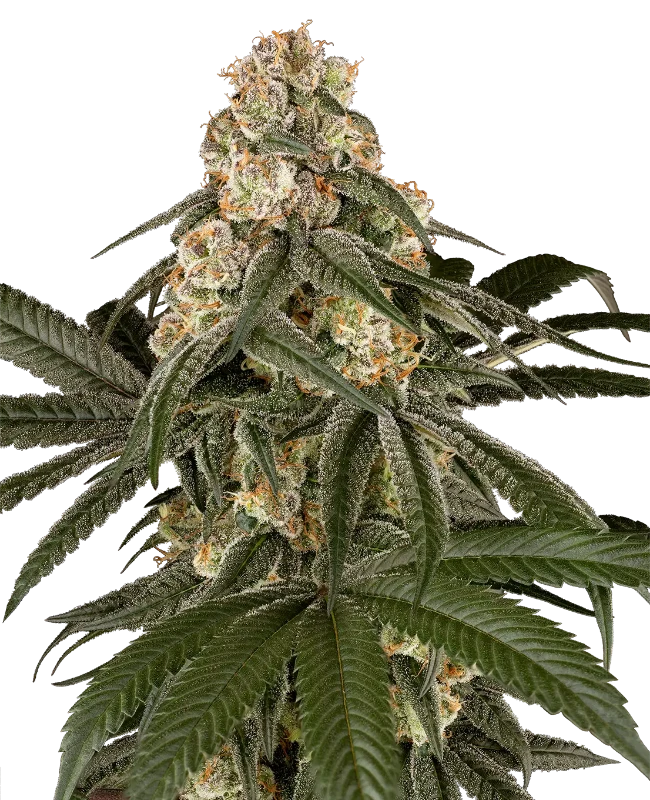
Silk Truffle Feminized Seeds
$39.56 CAD
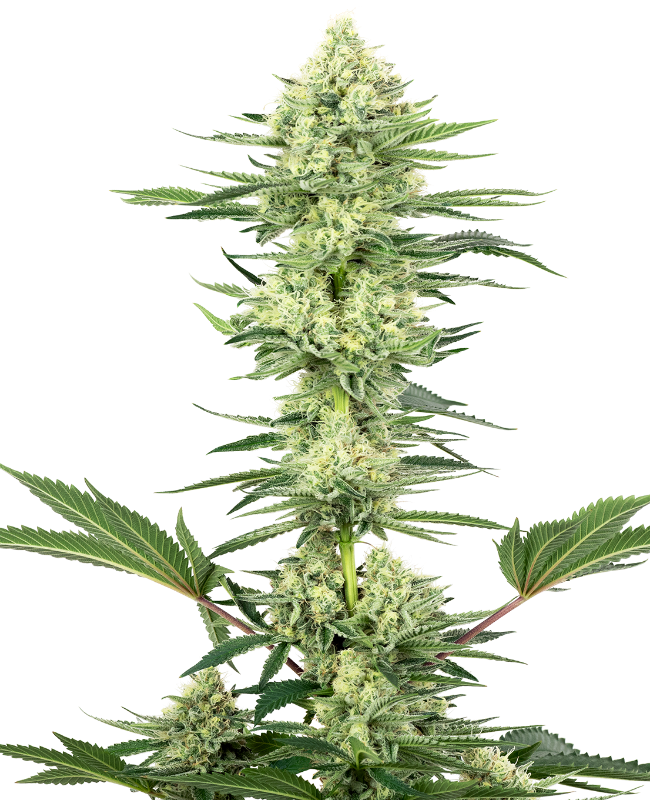
White Gorilla Haze Seeds
$39.56 CAD
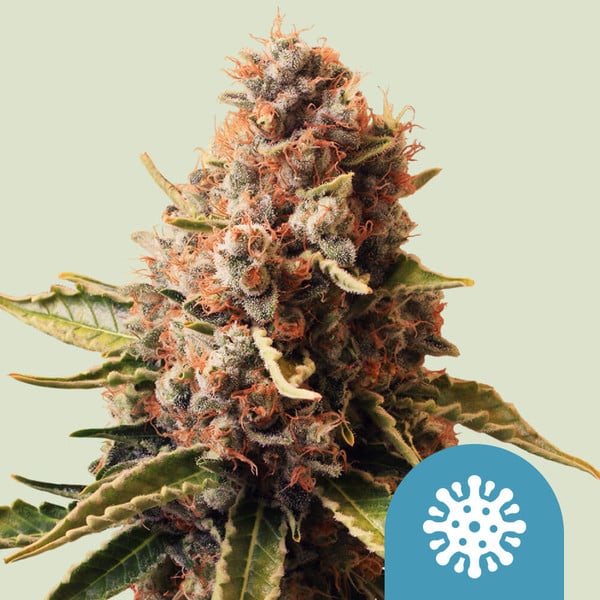
Euphoria Seeds
$36.21 CAD
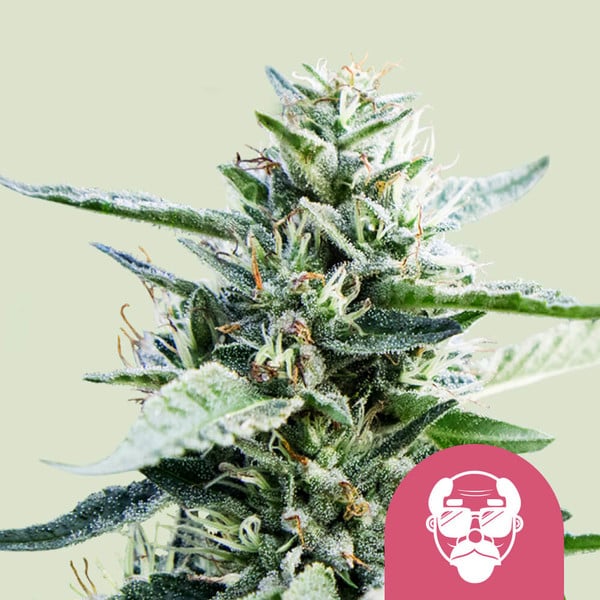
Granddaddy Purple Seeds
$38.90 CAD
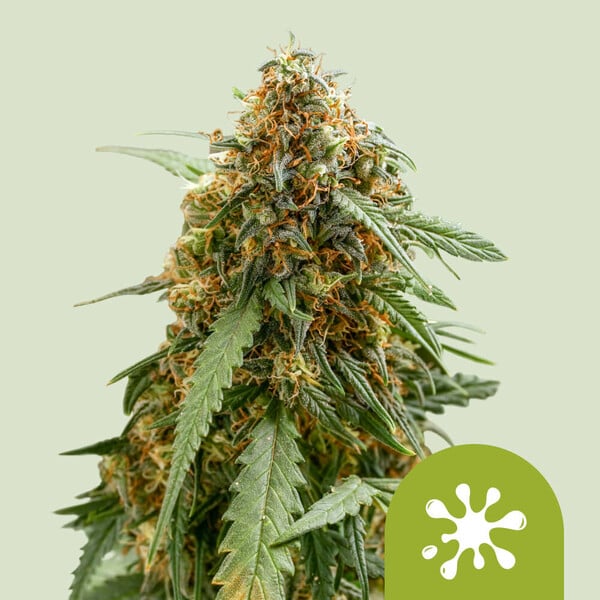
Sticky Queen Auto Seeds
$40.92 CAD
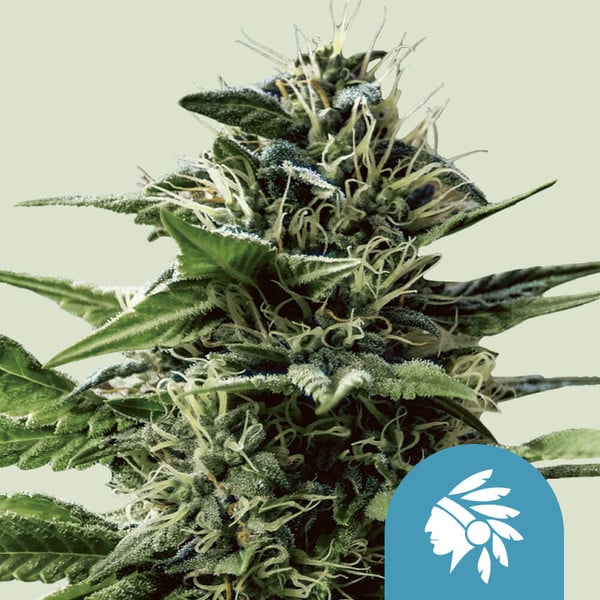
Tatanka Pure CBD Seeds
$36.21 CAD
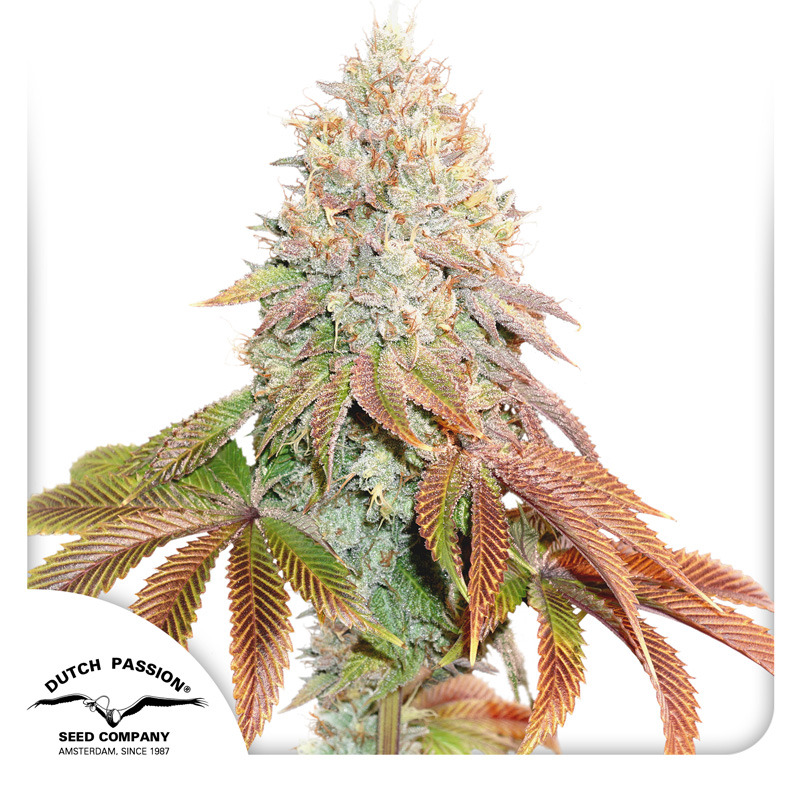
Auto Banana Blaze Seeds
$22.74 CAD
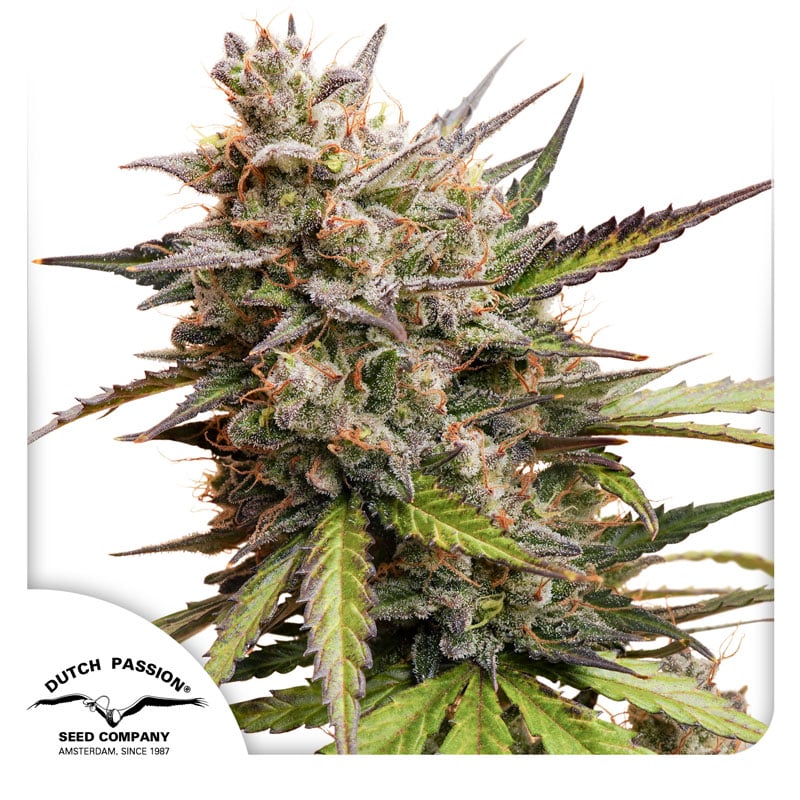
Auto Melonade Runtz Seeds
$33.46 CAD
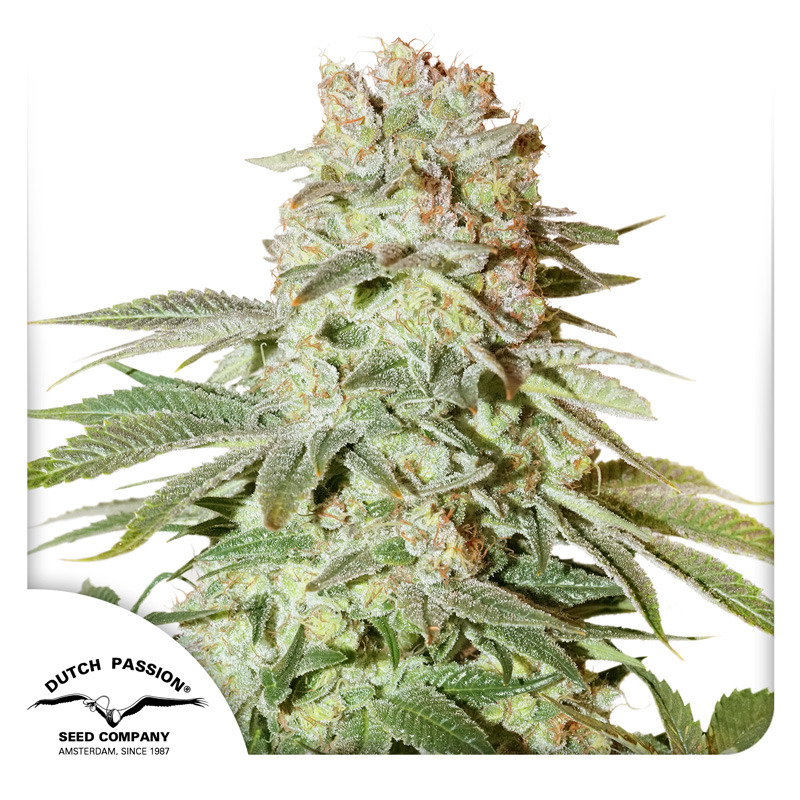
Auto Power Plant Seeds
$33.46 CAD
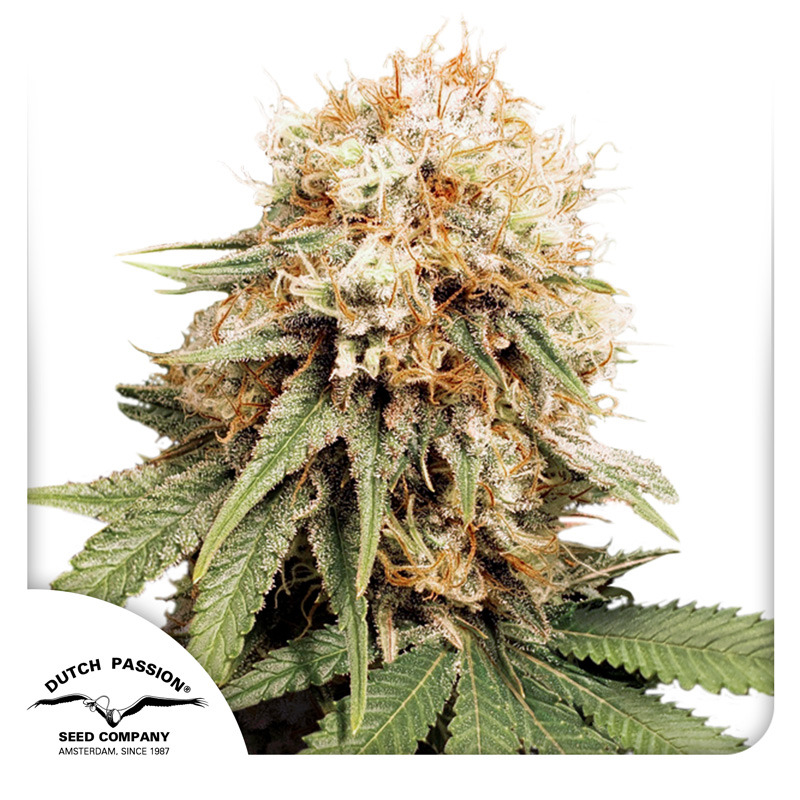
White Widow Seeds
$46.88 CAD
Boardwalk Bubba Feminized Seeds
$66.32 CAD
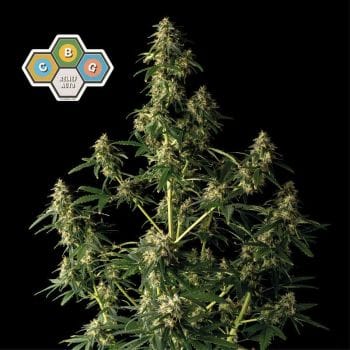
CBG Relief Auto Feminized Seeds
$49.62 CAD

Frosted Zinn x 3 Bears OG Auto Feminized Seeds
$57.13 CAD
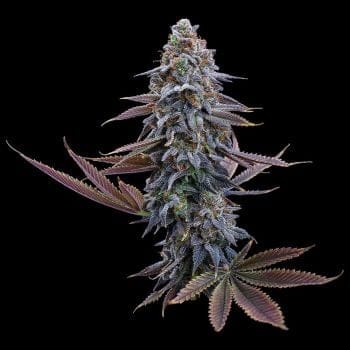
G13 Genius Feminized Seeds
$49.62 CAD
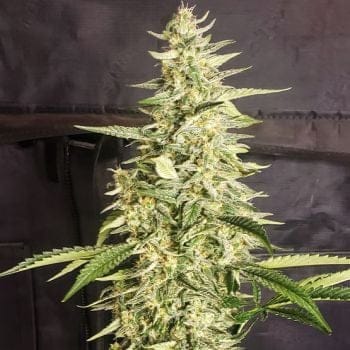
Inzane Auto Feminized Seeds
$49.68 CAD
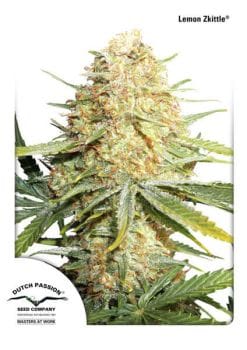
Lemon Kix Auto Feminized Seeds
$49.62 CAD
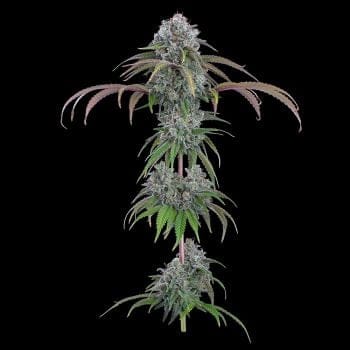
Ocifer Feminized Seeds
$37.26 CAD
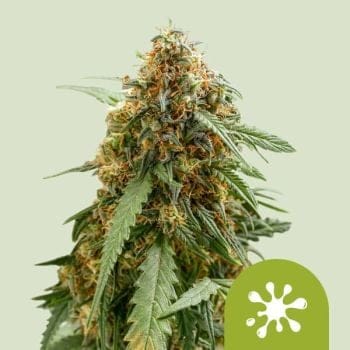
Sticky Queen Auto Feminized Seeds
$48.44 CAD
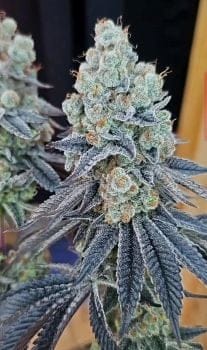
Sugar Cane v3 Feminized Seeds
$79.49 CAD
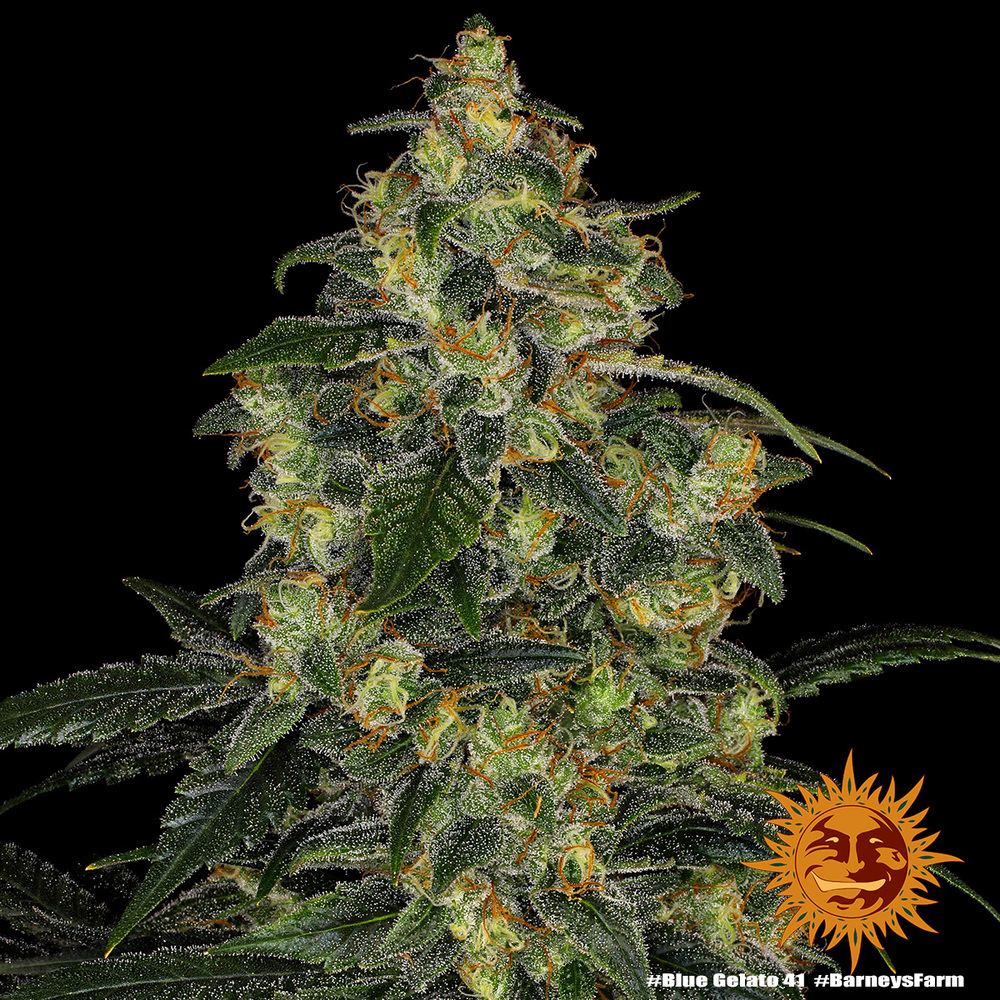
Blue Gelato 41 Seeds
$49.62 CAD
At a glance — Best Outdoor Cannabis Seeds in Canada
Seennabis Canada lists 4122 best outdoor cannabis seeds across 5 verified breeders. Lab-tested THC ranges from 0–80% with a median of 23%. The seed-type mix is 66% feminized, 34% autoflower and 144 dedicated CBD strains. By genetics the catalogue is split 1599 indica · 694 sativa · 1829 hybrid. Prices in this category run CA$0.76 (Gorilla Z Auto) to CA$201.2 (Isla Mirage), with an average grower rating of 4.74 ★.
Total strains
4,122
THC range
0–80%
Median THC
23%
Avg rating
4.74 ★
Feminized
2636
66% of fem+auto
Autoflower
1342
34% of fem+auto
Indica / Sativa / Hybrid
1599 / 694 / 1829
Letters covered
26/26
A · B · C · D · E · F · G · H · I · J · K · L · M · N · O · P · Q · R · S · T · U · V · W · X · Y · Z
Top breeders here: blimburn (999), seedsman (293), premiumcultivars (253), seedsupreme (219), sensiseeds (217)
Why Grow Cannabis Outdoors?
Outdoor cannabis seeds are selected for the unpredictable conditions of natural growing — sun, rain, wind, pests, mold pressure, and a finite season. The right outdoor strain handles all of that and produces massive yields no indoor environment can match. A single well-grown outdoor photoperiod plant can produce 1–3 kilograms; autoflowers stay under 200g but let northern climate growers fit two harvests into a single season. Below you'll find every outdoor-friendly strain stocked on Seennabis — sortable by mold resistance, climate fit, and germination guarantee terms.
What makes a strain 'outdoor strong'
Mold and pest resistance matter most. Strains with airy bud structure (most sativas, sativa-leaning hybrids) resist bud rot in humid late-season conditions far better than dense indica buds. Pest resistance correlates with thick leaf cuticles and strong terpene profiles — pungent strains (skunk lineages, OG Kush families) repel insects better than mild-smelling strains. Cold tolerance also matters in northern latitudes — Hindu Kush, Afghan, and ruderalis-derived autoflowers tolerate sub-50°F nights better than equatorial sativas.
Best outdoor strains in 2026
For warm climates (CA, MED, AUS): Durban Poison, Sour Diesel, Tangie, Pineapple Express, and Acapulco Gold thrive in sun and finish strong. For temperate climates (PNW, NL, UK): Critical Mass, Early Skunk, Northern Lights, Royal Cookies, and White Widow handle rain pressure and finish before October frost. For cold/northern climates (Canada, Northern EU): Frisian Dew, Auto Hindu Kush, Quick One Auto, and Northern Lights Auto. Mold-resistant outdoor specialists include Frisian Dew, Durban Poison, Critical Mass, and Auto Mazar.
Photoperiod vs autoflower outdoor
Photoperiods planted in late spring (after last frost) flower automatically as days shorten, finishing in late September or October. They get massive — 2 to 4 meters tall in good conditions — and yield kilograms per plant. Autoflowers planted any time from late spring to mid-summer finish 8–12 weeks later regardless of season, letting growers stack two or three harvests in a single season or finish before late-season weather hits. Outdoor autoflowers also stay short (60–110cm), which is a stealth advantage in non-legal jurisdictions.
Outdoor grow timeline
Photoperiods: germinate indoors in early–mid spring, transplant outdoor after last frost (late April–May in Northern Hemisphere), let them veg through summer, harvest October. Autoflowers: germinate any time from May through July, harvest 8–12 weeks later. Critical milestones: late June = pre-flower stretch (photoperiods need staking and trellis), August = full flower (mold pressure starts), September = trichome ripening, early October = chop. Watch the weather — a single early frost or week of rain can turn finished bud into bud rot overnight.
Frequently Asked Questions
How much can I yield from one outdoor plant?
Photoperiod outdoor plants in good conditions produce 1–3 kg per plant. Smaller pots or shorter seasons cut that down. Autoflowers outdoor produce 50–200g per plant.
Can I grow autoflowers outdoor?
Yes — autoflowers are excellent outdoor for northern climates and stealth grows. They stay short, finish in 8–12 weeks regardless of season, and let you fit two harvests into one summer.
What's the most mold-resistant outdoor strain?
Frisian Dew, Durban Poison, Critical Mass, Hawaiian Snow, and ruderalis-derived autoflowers handle late-season humidity and rain better than dense indica buds.
When do I plant outdoor seeds?
Photoperiods: after last frost (April–May Northern Hemisphere). Autoflowers: anytime from May through July, depending on how many harvests you want to stack.
Do outdoor strains need less attention than indoor?
Less daily attention but more weather and pest vigilance. You're not dialing humidity, but you are watching for caterpillars, mites, mold, and unexpected frost. Different challenges, similar total time investment.
All Outdoor Cannabis Seeds Available in Canada
Browse our full catalog of outdoor cannabis seeds bred for resilience against Canadian weather, pests, and mold. Outdoor strains produce massive yields under natural sunlight and finish before the first frost — critical for growers in Canada's short outdoor season. Available as both feminized photoperiod and autoflower varieties (autoflowers are especially popular for Canadian outdoor grows because of their fast 8-11 week life cycle). Compare hardy genetics from verified seed banks for your Canadian outdoor garden, with prices in CAD.
This Summer on Seennabis
Time-sensitive picks for what growers are actually planting and harvesting this season — refreshed each quarter as the calendar shifts.
Browse by flavor profile
Cannabis terpenes group into a handful of recognizable families. Pick the profile that matches what you actually want to taste — the strain shortlists below come from grower-confirmed flavor tags.